Skip to content

KandZ - Tuts

  • Operating Systems ▾
    • Linux ▾
      • Distros ▾
        • Fedora
        • Other Distros
        • Ubuntu
      • Gnome 48
      • KDE
      • LFCA - Linux Foundation Certified IT Associate
      • LFCS - Linux Foundation Certified Sysadmin
      • Linux CLI
      • Various
  • Paths ▾
    • Core Web Stack
    • React & Modern UI Stack
  • Programming ▾
    • Frontend (FED) ▾
      • React Ecosystem ▾
        • React
        • React Router
        • TanStack Router
        • TanStack Query (React Query)
        • Zustand
        • Redux Toolkit
      • Angular Ecosystem ▾
        • Angular
      • Vue Ecosystem ▾
        • Vue.js
      • Styling & UI Components ▾
        • Tailwind CSS
    • Languages & Runtimes ▾
      • CSS
      • Dart
      • HTML
      • JavaScript
      • Node.js
      • Rust
      • SQL
      • TypeScript
    • Tools & Build Systems ▾
      • Version Control ▾
        • GitHub
        • Git
        • GitLab
      • Package Managers ▾
        • npm
        • Bun
        • yarn
        • pnpm
      • DevOps & Containers ▾
        • Docker
  • Servers & Self-Hosting ▾
    • Internet ▾
      • Internet Backend - Coming Soon
      • Internet Beginner
      • Internet Frontend - Coming Soon
    • Networking & DNS ▾
      • REST API
  • Tools
  • Windows ▾
    • Windows 11
KandZ - Tuts
AngularBunCSSDartDockerGitGitHubGitLabHTMLJavaScriptNode.jsnpmpnpmReactReact RouterRedux ToolkitRustSQLTailwind CSSTanStack Query (React Query)TanStack RouterTypeScriptVue.jsyarnZustandFedoraGnome 48KDELFCA - Linux Foundation Certified IT AssociateLFCS - Linux Foundation Certified SysadminLinux CLIOther DistrosUbuntuVariousCore Web StackInternet Backend - Coming SoonInternet BeginnerInternet Frontend - Coming SoonReact & Modern UI StackREST APIToolsWindows 11
  • React Router 12 ⚛️ Form Actions — Handling mutations with actions
    Programming | Frontend (FED) | React Ecosystem | React Router

    React Router 12 ⚛️ Form Actions — Handling mutations with actions

    ByKandZ October 31, 2026October 31, 2026

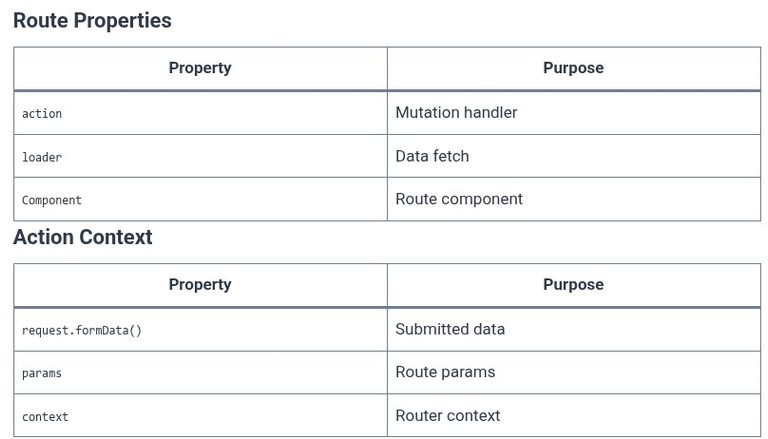
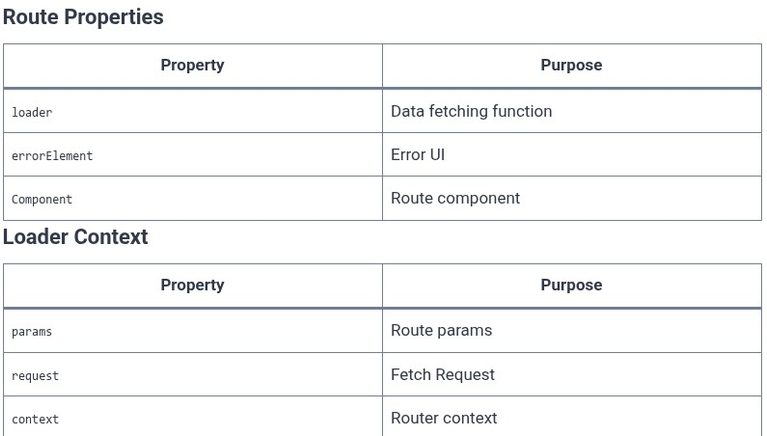
    The previous chapter covered the data loaders, which fetch the data before the route renders. This chapter covers the counterpart: the form actions, which handle the data mutations after the user submits a form. The loader is the read; the action is the write. In the React Router’s Data mode, the action function is defined…
    Read More React Router 12 ⚛️ Form Actions — Handling mutations with actionsContinue

  • React Router 11 ⚛️ Data Loaders — Fetching data with loaders
    Programming | Frontend (FED) | React Ecosystem | React Router

    React Router 11 ⚛️ Data Loaders — Fetching data with loaders

    ByKandZ October 31, 2026October 31, 2026

    The previous chapters covered the navigation, the routes, and the path and query parameters. This chapter introduces the mechanism that fetches the data before the route renders: the loader. In the React Router, the loader is a function defined on the route object. It runs before the component renders, and its result is available to…

    Read More React Router 11 ⚛️ Data Loaders — Fetching data with loadersContinue

  • LFCS 160 🐧 DHCP Client Configuration
    Linux | LFCS - Linux Foundation Certified Sysadmin | Operating Systems

    LFCS 160 🐧 DHCP Client Configuration

    ByKandZ October 31, 2026October 31, 2026

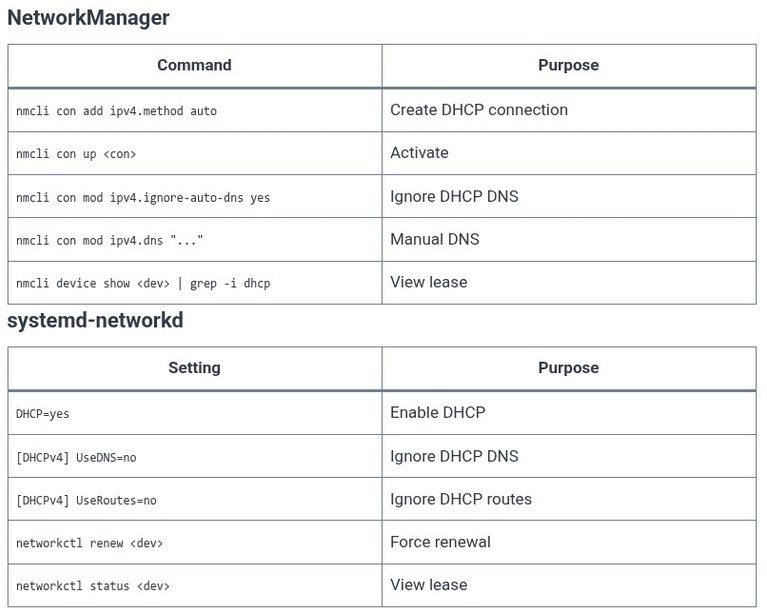
    The previous chapter covered the DNS client configuration, which determines how the system resolves the hostnames. This chapter covers the DHCP client, which determines how the system obtains the IP address, the default gateway, and the DNS servers automatically. The LFCS exam lists “Configure networking and hostname resolution statically or dynamically” under the Networking domain…

    Read More LFCS 160 🐧 DHCP Client ConfigurationContinue

  • LFCS 159 🐧 DNS Client Configuration
    Linux | LFCS - Linux Foundation Certified Sysadmin | Operating Systems

    LFCS 159 🐧 DNS Client Configuration

    ByKandZ October 31, 2026October 31, 2026

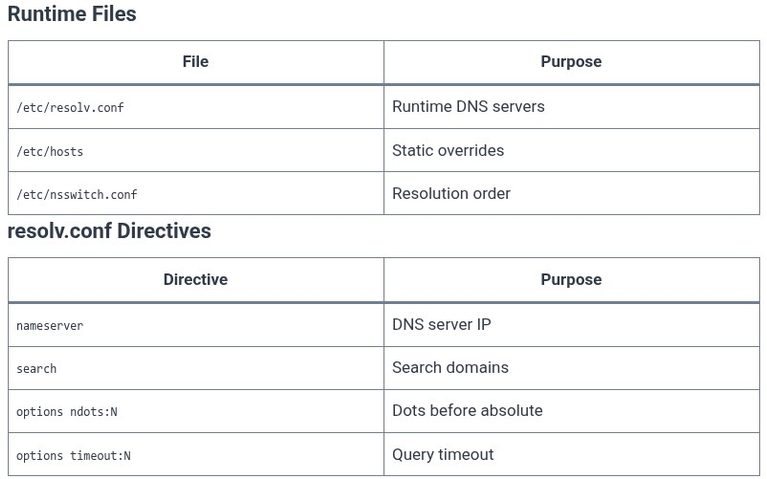
    The previous chapters covered the web servers that respond to the HTTP requests. This chapter returns to the networking layer: the DNS client configuration. The LFCS exam lists “Configure DNS” and “Use tools to troubleshoot DNS issues” under the Networking domain . The DNS client configuration is the set of files and services that determine…

    Read More LFCS 159 🐧 DNS Client ConfigurationContinue

  • LFCS 158 🐧 Web Server — Apache Basics
    Linux | LFCS - Linux Foundation Certified Sysadmin | Operating Systems

    LFCS 158 🐧 Web Server — Apache Basics

    ByKandZ October 31, 2026October 31, 2026

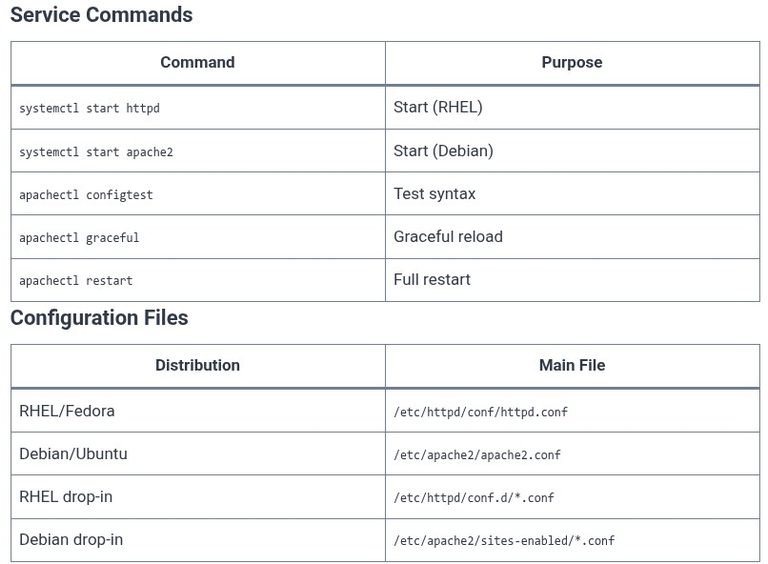
    The previous chapter covered Nginx, the event-driven web server that is the default on many modern distributions. This chapter introduces Apache HTTP Server, the older and still widely deployed alternative. The LFCS exam lists “Configure an HTTP server” under the Service Configuration domain . Apache uses a process-based model: a parent process manages a pool…

    Read More LFCS 158 🐧 Web Server — Apache BasicsContinue

  • LFCS 157 🐧 Web Server — Nginx Basics
    Linux | LFCS - Linux Foundation Certified Sysadmin | Operating Systems

    LFCS 157 🐧 Web Server — Nginx Basics

    ByKandZ October 31, 2026October 31, 2026

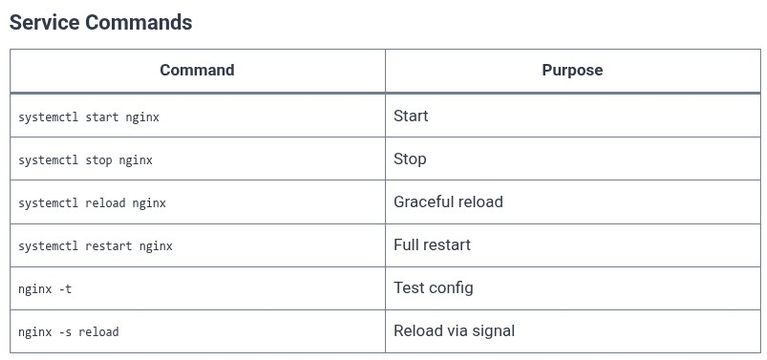
    The previous chapters covered the virtualization and containerization of the application environments. This chapter introduces the web server that often sits in front of those environments: Nginx. The LFCS exam lists “Configure an HTTP server” and “Restrict access to a web page” under the Service Configuration domain . Nginx is a high-performance, event-driven web server…

    Read More LFCS 157 🐧 Web Server — Nginx BasicsContinue

  • LFCS 156 🐧 KVM — Basic VM Management
    Linux | LFCS - Linux Foundation Certified Sysadmin | Operating Systems

    LFCS 156 🐧 KVM — Basic VM Management

    ByKandZ October 31, 2026October 31, 2026

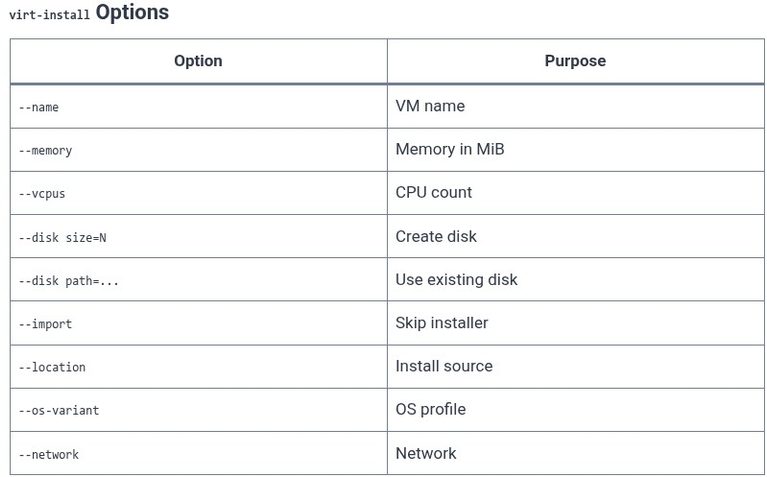
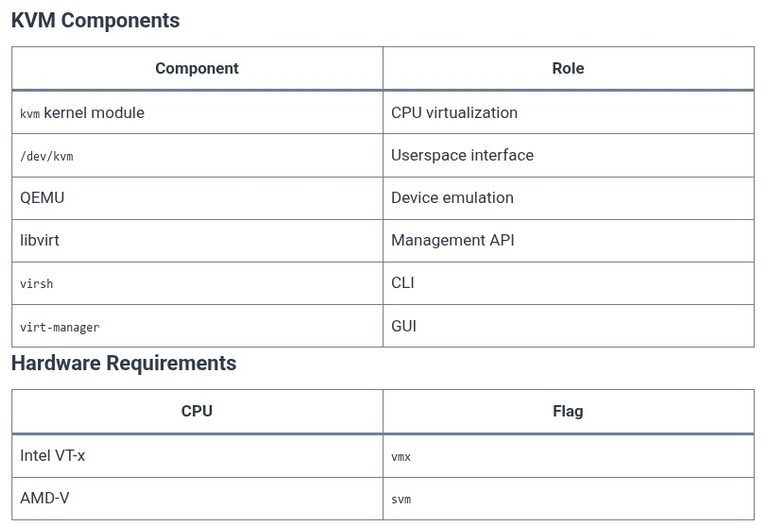
    The previous chapter introduced KVM as a type-1 hypervisor that turns the Linux kernel into a virtualization layer. This chapter covers the practical management of virtual machines: creating them, controlling their lifecycle, adjusting their resources, and working with snapshots and disks. The LFCS exam tests the virsh commands and the virt-install syntax, along with the…

    Read More LFCS 156 🐧 KVM — Basic VM ManagementContinue

  • LFCS 155 🐧 KVM — Virtualization Concepts
    Linux | LFCS - Linux Foundation Certified Sysadmin | Operating Systems

    LFCS 155 🐧 KVM — Virtualization Concepts

    ByKandZ October 30, 2026October 30, 2026

    The previous chapters covered containerization with Docker, which isolates applications at the operating system level by sharing the host kernel. This chapter introduces the other major virtualization technology on Linux: KVM (Kernel-based Virtual Machine). KVM is a full virtualization solution that provides each guest with its own virtual hardware and its own kernel. The LFCS…

    Read More LFCS 155 🐧 KVM — Virtualization ConceptsContinue

  • LFCS 154 🐧 Docker — Images and Containers
    Linux | LFCS - Linux Foundation Certified Sysadmin | Operating Systems

    LFCS 154 🐧 Docker — Images and Containers

    ByKandZ October 30, 2026October 30, 2026

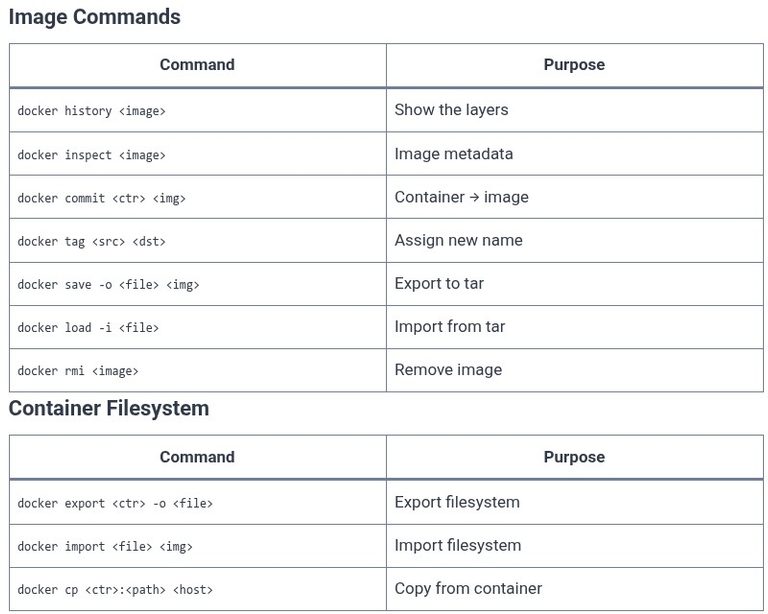
    The previous chapter covered the basic commands: pulling images, running containers, and inspecting the state. This chapter focuses on the lifecycle of the images and the containers: how the image is built, how it is layered, how the container adds the writable layer, and how the data is preserved or lost. The LFCS exam tests…

    Read More LFCS 154 🐧 Docker — Images and ContainersContinue

  • LFCS 153 🐧 Docker — Basic Commands
    Linux | LFCS - Linux Foundation Certified Sysadmin | Operating Systems

    LFCS 153 🐧 Docker — Basic Commands

    ByKandZ October 30, 2026October 30, 2026

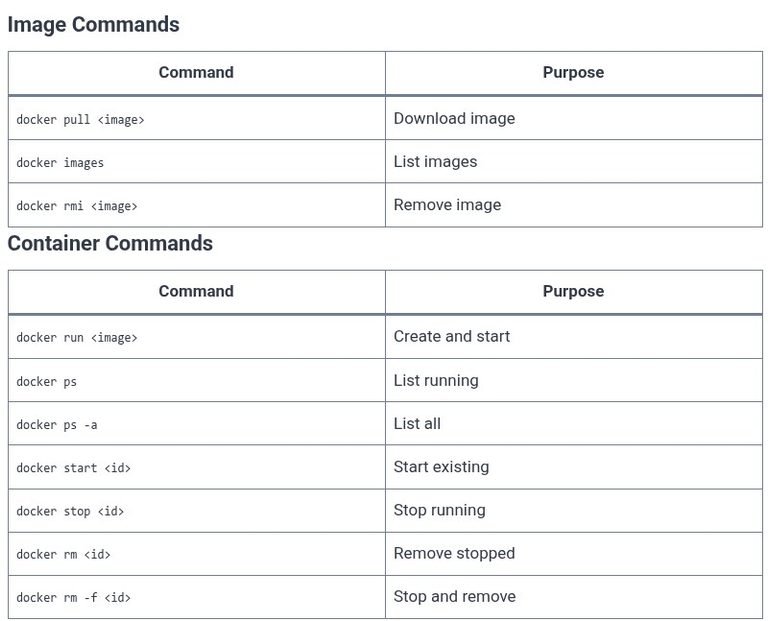
    The previous chapter covered the conceptual model: the client-server architecture, the image-container-registry triad, and the difference between containers and virtual machines. This chapter covers the commands that implement that model: pulling images, running containers, inspecting the state, executing commands inside the container, and cleaning up. The LFCS exam tests the command syntax, the flag semantics,…

    Read More LFCS 153 🐧 Docker — Basic CommandsContinue

Page navigation

Previous PagePrevious 1 2 3 4 … 248 Next PageNext
    Search