Skip to content

KandZ - Tuts

  • Operating Systems ▾
    • Linux ▾
      • Distros ▾
        • Fedora
        • Other Distros
        • Ubuntu
      • Gnome 48
      • KDE
      • LFCA - Linux Foundation Certified IT Associate
      • LFCS - Linux Foundation Certified Sysadmin
      • Linux CLI
      • Various
  • Paths ▾
    • Core Web Stack
    • React & Modern UI Stack
  • Programming ▾
    • Frontend (FED) ▾
      • React Ecosystem ▾
        • React
        • React Router
        • TanStack Router
        • TanStack Query (React Query)
        • Zustand
        • Redux Toolkit
      • Angular Ecosystem ▾
        • Angular
      • Vue Ecosystem ▾
        • Vue.js
      • Styling & UI Components ▾
        • Tailwind CSS
    • Languages & Runtimes ▾
      • CSS
      • Dart
      • HTML
      • JavaScript
      • Node.js
      • Rust
      • SQL
      • TypeScript
    • Tools & Build Systems ▾
      • Version Control ▾
        • GitHub
        • Git
        • GitLab
      • Package Managers ▾
        • npm
        • Bun
        • yarn
        • pnpm
      • DevOps & Containers ▾
        • Docker
  • Servers & Self-Hosting ▾
    • Internet ▾
      • Internet Backend - Coming Soon
      • Internet Beginner
      • Internet Frontend - Coming Soon
    • Networking & DNS ▾
      • REST API
  • Tools
  • Windows ▾
    • Windows 11
KandZ - Tuts
AngularBunCSSDartDockerGitGitHubGitLabHTMLJavaScriptNode.jsnpmpnpmReactReact RouterRedux ToolkitRustSQLTailwind CSSTanStack Query (React Query)TanStack RouterTypeScriptVue.jsyarnZustandFedoraGnome 48KDELFCA - Linux Foundation Certified IT AssociateLFCS - Linux Foundation Certified SysadminLinux CLIOther DistrosUbuntuVariousCore Web StackInternet Backend - Coming SoonInternet BeginnerInternet Frontend - Coming SoonReact & Modern UI StackREST APIToolsWindows 11
  • LFCS 152 🐧 Docker — Concepts
    Linux | LFCS - Linux Foundation Certified Sysadmin | Operating Systems

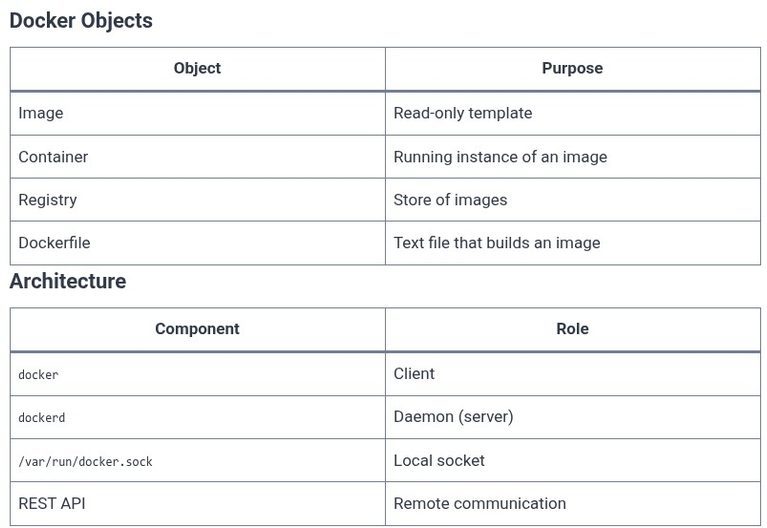
    LFCS 152 🐧 Docker — Concepts

    ByKandZ October 30, 2026October 30, 2026

    The previous chapters covered the system administration topics from the storage, networking, and security domains. This chapter introduces the container engine that the LFCS exam lists under “Operations Deployment”: Docker. The exam tests the conceptual model: the client-server architecture, the three core objects (image, container, registry), and the difference between containers and virtual machines. The…
    Read More LFCS 152 🐧 Docker — ConceptsContinue

  • LFCS 151 🐧 Testing Backups
    Linux | LFCS - Linux Foundation Certified Sysadmin | Operating Systems

    LFCS 151 🐧 Testing Backups

    ByKandZ October 30, 2026October 30, 2026

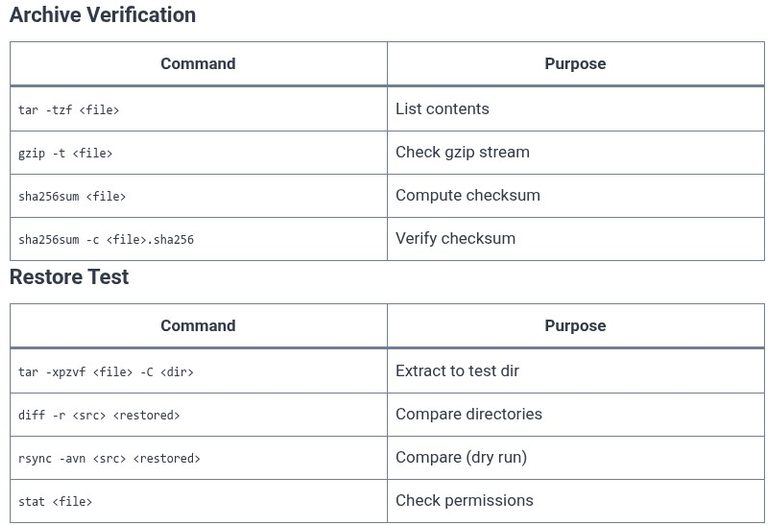
    The previous chapters covered the backup strategies and the tools that create the backups: tar and rsync. This chapter covers the step that determines whether the backups are worth anything: the testing. A backup that has never been restored is a backup that might not work. The LFCS exam tests the conceptual model: the distinction…

    Read More LFCS 151 🐧 Testing BackupsContinue

  • TanStack Router 10 ⚛️ Pending States — Handling loading UI
    Programming | Frontend (FED) | React Ecosystem | TanStack Router

    TanStack Router 10 ⚛️ Pending States — Handling loading UI

    ByKandZ October 30, 2026October 30, 2026

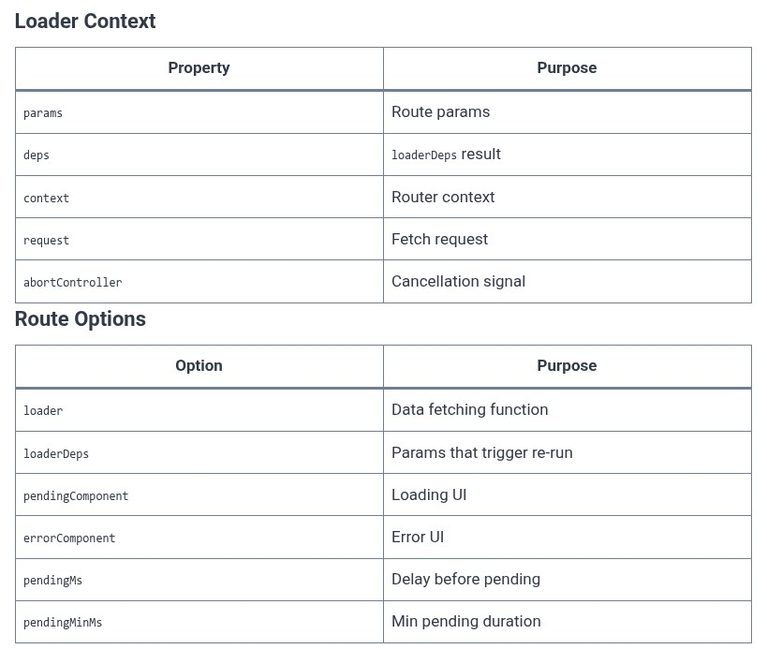
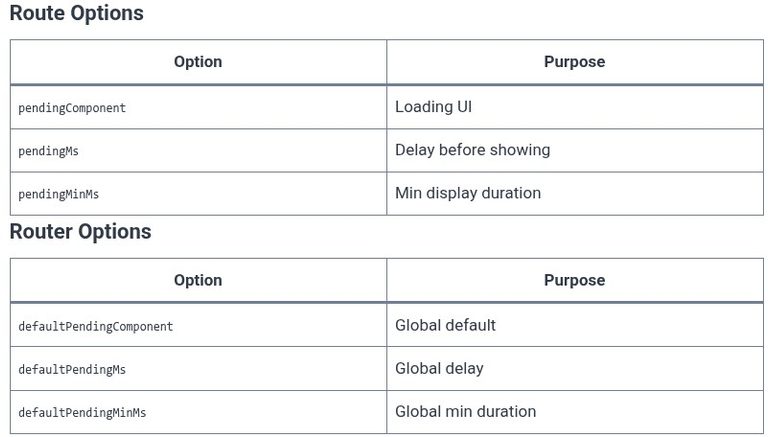
    The previous chapter covered the data loaders that fetch the route data before the component renders. This chapter covers the UI that appears while the loader is in progress. In the TanStack Router, the pending state is managed at the route level, not the component level. The route object has a pendingComponent property that renders…

    Read More TanStack Router 10 ⚛️ Pending States — Handling loading UIContinue

  • TanStack Router 09 ⚛️ Data Loaders — Route loader functions
    Programming | Frontend (FED) | React Ecosystem | TanStack Router

    TanStack Router 09 ⚛️ Data Loaders — Route loader functions

    ByKandZ October 30, 2026October 30, 2026

    The previous chapters covered the path and search parameters: the URL data that the route reads. This chapter covers the data loaders: the functions that fetch the data before the route component renders. In the React Router Data mode, the loader is defined in the route object with the loader property. In TanStack Router, the…

    Read More TanStack Router 09 ⚛️ Data Loaders — Route loader functionsContinue

  • TanStack Router 08 ⚛️ Search Params — Zod validation & parsing
    Programming | Frontend (FED) | React Ecosystem | TanStack Router

    TanStack Router 08 ⚛️ Search Params — Zod validation & parsing

    ByKandZ October 30, 2026October 30, 2026

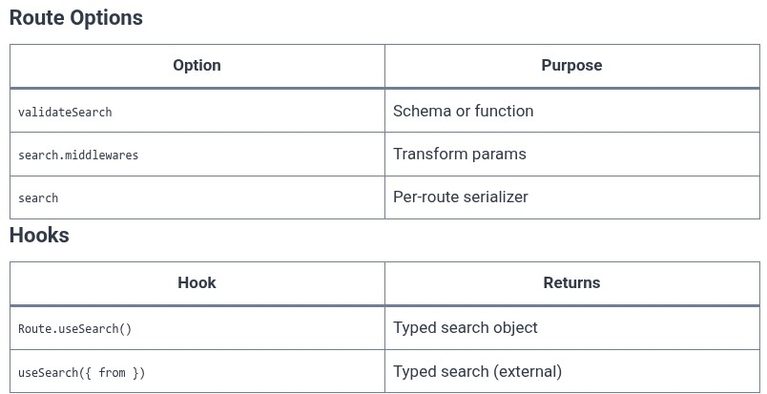
    The previous chapter covered the path parameters, which are part of the resource identity. This chapter covers the search parameters: the key-value pairs in the query string that configure the view. The TanStack Router’s search parameter handling is fundamentally different from the React Router’s. The React Router returns the raw URLSearchParams object, and the component…

    Read More TanStack Router 08 ⚛️ Search Params — Zod validation & parsingContinue

  • TanStack Router 07 ⚛️ Path Parameters — Dynamic URL segments
    Programming | Frontend (FED) | React Ecosystem | TanStack Router

    TanStack Router 07 ⚛️ Path Parameters — Dynamic URL segments

    ByKandZ October 30, 2026October 30, 2026

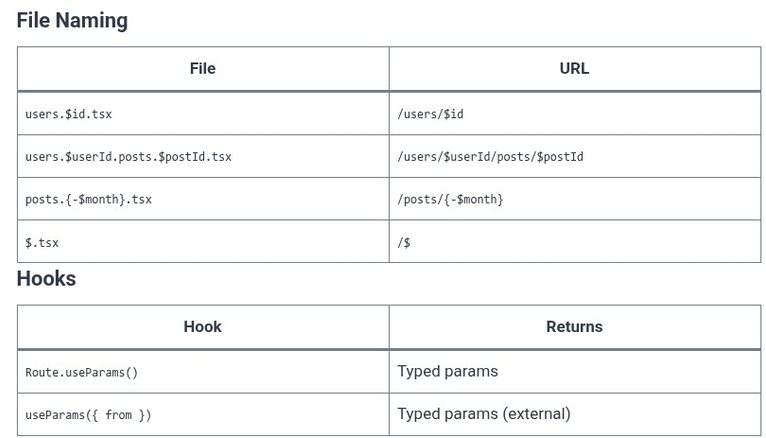
    The previous chapter covered imperative navigation with the useNavigate hook, which is fully typed against the route tree. This chapter covers the path parameters: the dynamic segments that allow a single route file to serve multiple URLs. The TanStack Router’s handling of the path parameters is stricter than the React Router’s. The parameter is declared…

    Read More TanStack Router 07 ⚛️ Path Parameters — Dynamic URL segmentsContinue

  • TanStack Router 06 ⚛️ Imperative Nav — The useNavigate hook
    Programming | Frontend (FED) | React Ecosystem | TanStack Router

    TanStack Router 06 ⚛️ Imperative Nav — The useNavigate hook

    ByKandZ October 30, 2026October 30, 2026

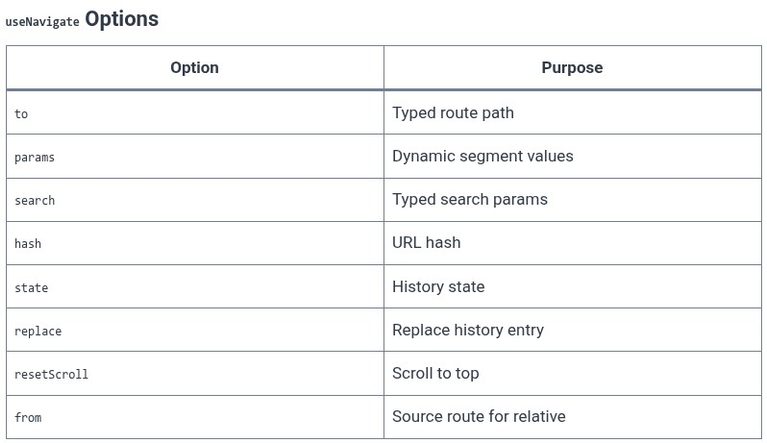
    The previous chapter covered the <Link> component, which is the declarative navigation mechanism. This chapter covers the imperative navigation: the useNavigate hook, which returns a function that navigates programmatically. The LFCS exam does not test TanStack Router, but the front-end engineering certification paths do. The critical distinction is between the typed useNavigate hook and the…

    Read More TanStack Router 06 ⚛️ Imperative Nav — The useNavigate hookContinue

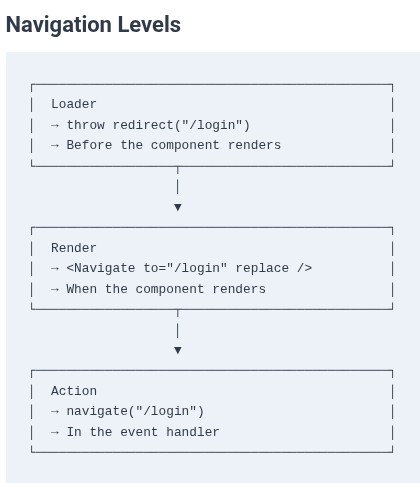
  • React Router 10 ⚛️ Imperative Nav — Redirection with useNavigate
    Programming | Frontend (FED) | React Ecosystem | React Router

    React Router 10 ⚛️ Imperative Nav — Redirection with useNavigate

    ByKandZ October 30, 2026October 30, 2026

    The previous chapter covered the <Link> and <NavLink> components, which are the declarative navigation mechanisms. This chapter covers the imperative navigation: the useNavigate hook, which returns a function that programmatically navigates to a route. The LFCS exam does not test React Router, but the front-end engineering certification paths do. The critical distinction is between the…

    Read More React Router 10 ⚛️ Imperative Nav — Redirection with useNavigateContinue

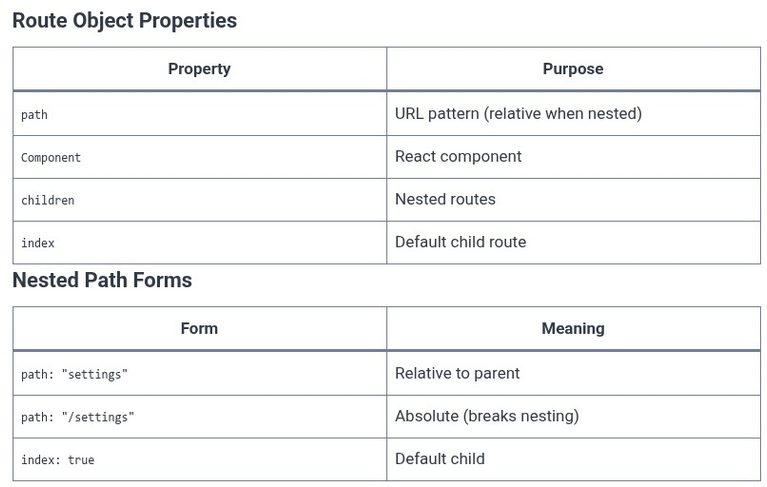
  • React Router 09 ⚛️ Nested Routes — Layout routing with Outlet
    Programming | Frontend (FED) | React Ecosystem | React Router

    React Router 09 ⚛️ Nested Routes — Layout routing with Outlet

    ByKandZ October 30, 2026October 30, 2026

    The previous chapters covered the flat route configuration and the navigation links. This chapter covers the nested route structure: the route tree where a parent route renders a shared layout and the child routes render inside it via the <Outlet /> component. The LFCS exam does not test React Router, but front-end engineering certification paths…

    Read More React Router 09 ⚛️ Nested Routes — Layout routing with OutletContinue

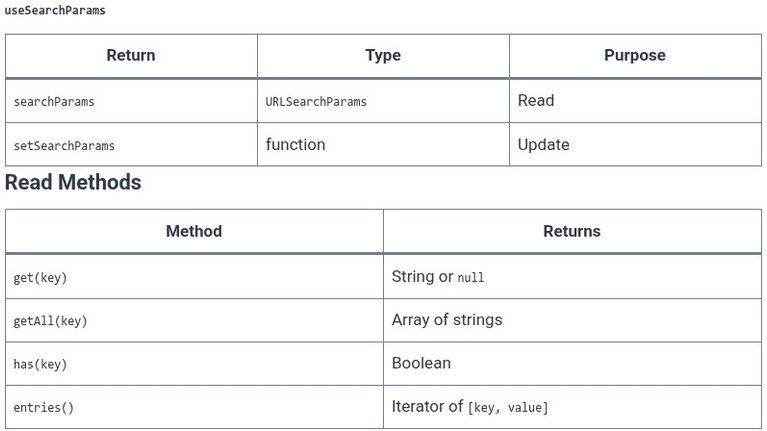
  • React Router 08 ⚛️ Query Parameters — Managing search parameters
    Programming | Frontend (FED) | React Ecosystem | React Router

    React Router 08 ⚛️ Query Parameters — Managing search parameters

    ByKandZ October 30, 2026October 30, 2026

    The previous chapter covered path parameters: the dynamic segments in the URL path that identify a resource (/users/:id). This chapter covers query parameters: the key-value pairs in the URL search string that configure the view (?sort=name&page=2). The LFCS exam does not test React Router, but front-end engineering certification paths do. The critical distinction is between…

    Read More React Router 08 ⚛️ Query Parameters — Managing search parametersContinue

Page navigation

Previous PagePrevious 1 2 3 4 5 … 248 Next PageNext
    Search