Skip to content

KandZ - Tuts

  • Operating Systems ▾
    • Linux ▾
      • Distros ▾
        • Fedora
        • Other Distros
        • Ubuntu
      • Gnome 48
      • KDE
      • LFCA - Linux Foundation Certified IT Associate
      • LFCS - Linux Foundation Certified Sysadmin
      • Linux CLI
      • Various
  • Paths ▾
    • Core Web Stack
    • React & Modern UI Stack
  • Programming ▾
    • Frontend (FED) ▾
      • React Ecosystem ▾
        • React
        • React Router
        • TanStack Router
        • TanStack Query (React Query)
        • Zustand
        • Redux Toolkit
      • Angular Ecosystem ▾
        • Angular
      • Vue Ecosystem ▾
        • Vue.js
      • Styling & UI Components ▾
        • Tailwind CSS
    • Languages & Runtimes ▾
      • CSS
      • Dart
      • HTML
      • JavaScript
      • Node.js
      • Rust
      • SQL
      • TypeScript
    • Tools & Build Systems ▾
      • Version Control ▾
        • GitHub
        • Git
        • GitLab
      • Package Managers ▾
        • npm
        • Bun
        • yarn
        • pnpm
      • DevOps & Containers ▾
        • Docker
  • Servers & Self-Hosting ▾
    • Internet ▾
      • Internet Backend - Coming Soon
      • Internet Beginner
      • Internet Frontend - Coming Soon
    • Networking & DNS ▾
      • REST API
  • Tools
  • Windows ▾
    • Windows 11
KandZ - Tuts
AngularBunCSSDartDockerGitGitHubGitLabHTMLJavaScriptNode.jsnpmpnpmReactReact RouterRedux ToolkitRustSQLTailwind CSSTanStack Query (React Query)TanStack RouterTypeScriptVue.jsyarnZustandFedoraGnome 48KDELFCA - Linux Foundation Certified IT AssociateLFCS - Linux Foundation Certified SysadminLinux CLIOther DistrosUbuntuVariousCore Web StackInternet Backend - Coming SoonInternet BeginnerInternet Frontend - Coming SoonReact & Modern UI StackREST APIToolsWindows 11
  • React Router 07 ⚛️ Path Parameters — Dynamic URL segments
    Programming | Frontend (FED) | React Ecosystem | React Router

    React Router 07 ⚛️ Path Parameters — Dynamic URL segments

    ByKandZ October 30, 2026October 30, 2026

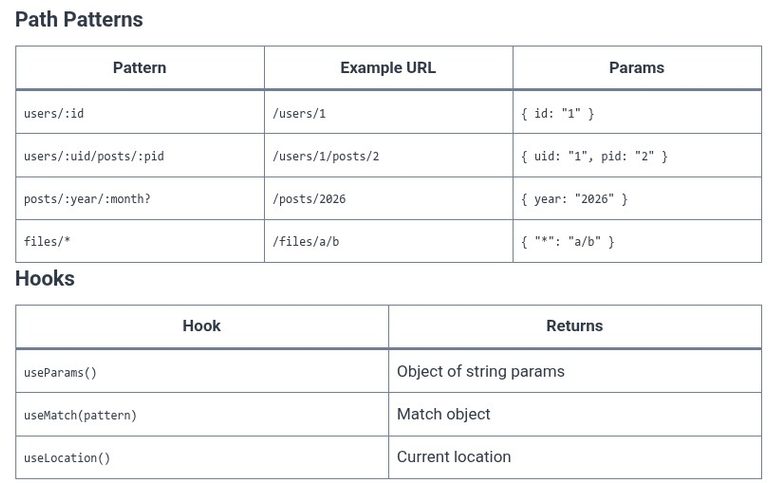
    The previous chapter covered active styling. This chapter covers the mechanism that makes a single route component serve multiple URLs: the path parameter. A path parameter is a dynamic segment in the route’s path, marked with a colon prefix (:id). The router matches any single URL segment to the parameter, and the component reads the…
    Read More React Router 07 ⚛️ Path Parameters — Dynamic URL segmentsContinue

  • React Router 06 ⚛️ Active Styling — Styling active NavLink states
    Programming | Frontend (FED) | React Ecosystem | React Router

    React Router 06 ⚛️ Active Styling — Styling active NavLink states

    ByKandZ October 30, 2026October 30, 2026

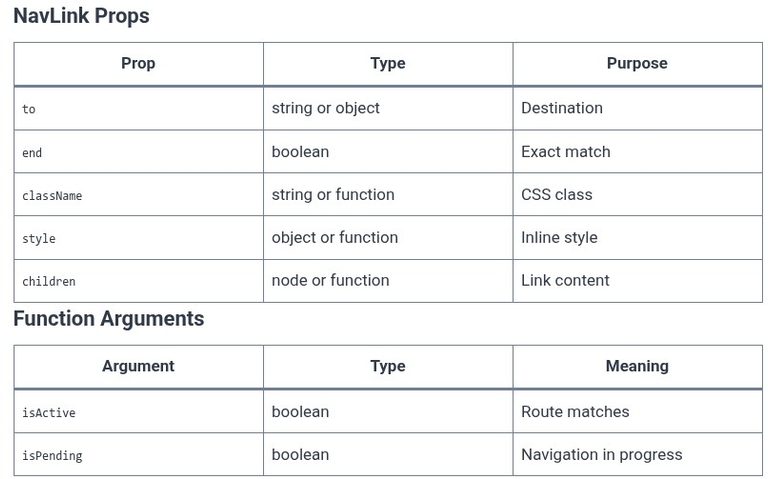
    The previous chapter covered navigation with the <Link> and <NavLink> components. This chapter focuses specifically on the active state: how the router determines that the current URL matches a link, how the <NavLink> exposes that state to the component, and the different patterns for styling the active link. The LFCS exam does not test React…

    Read More React Router 06 ⚛️ Active Styling — Styling active NavLink statesContinue

  • LFCS 150 🐧 Restore Procedures
    Linux | LFCS - Linux Foundation Certified Sysadmin | Operating Systems

    LFCS 150 🐧 Restore Procedures

    ByKandZ October 30, 2026October 30, 2026

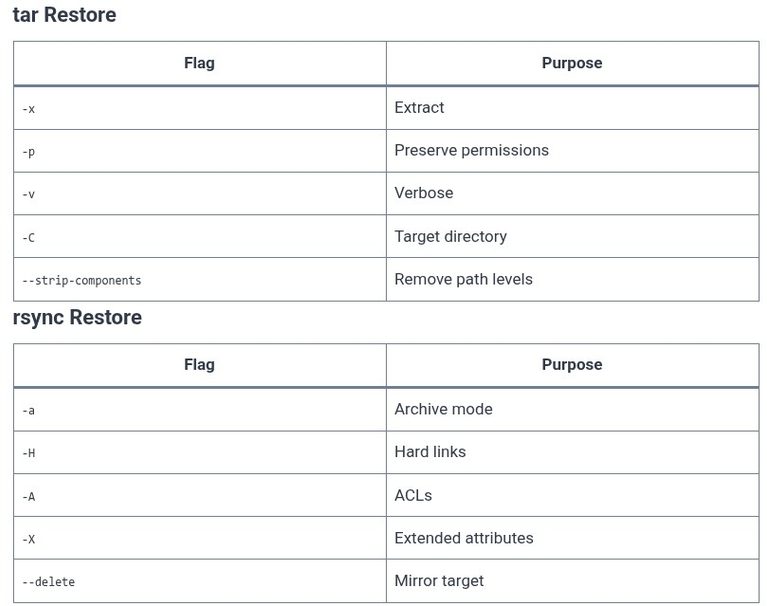
    The previous chapters covered backup strategies and the tools that create the backups: tar and rsync. This chapter covers the reverse operation: the restore. A backup that has never been restored is a backup that might not work. The restore is not a single command; it is a sequence of decisions that determine whether the…

    Read More LFCS 150 🐧 Restore ProceduresContinue

  • LFCS 149 🐧 Backup with rsync
    Linux | LFCS - Linux Foundation Certified Sysadmin | Operating Systems

    LFCS 149 🐧 Backup with rsync

    ByKandZ October 30, 2026October 30, 2026

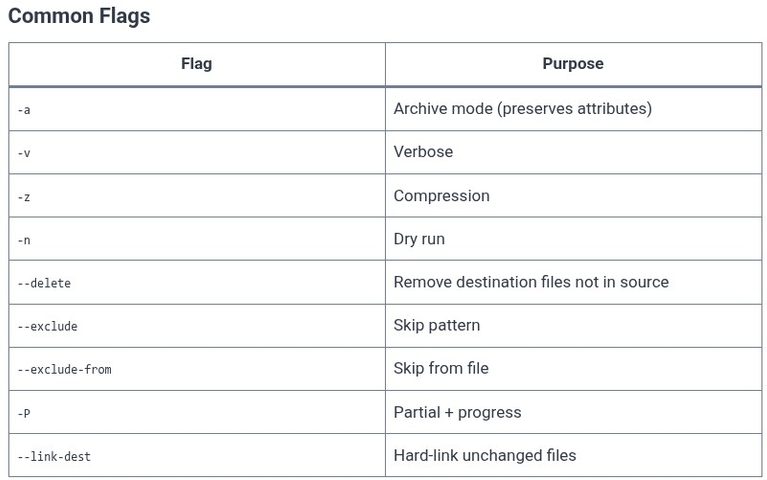
    The previous chapter covered tar as the archiver for backups. This chapter covers rsync, which is the synchronization tool for backups. The distinction matters: tar produces a single archive file that must be extracted to be useful. rsync produces a mirror of the source directory that is immediately usable. The LFCS exam tests the rsync…

    Read More LFCS 149 🐧 Backup with rsyncContinue

  • LFCS 148 🐧 Backup with tar
    Linux | LFCS - Linux Foundation Certified Sysadmin | Operating Systems

    LFCS 148 🐧 Backup with tar

    ByKandZ October 30, 2026October 30, 2026

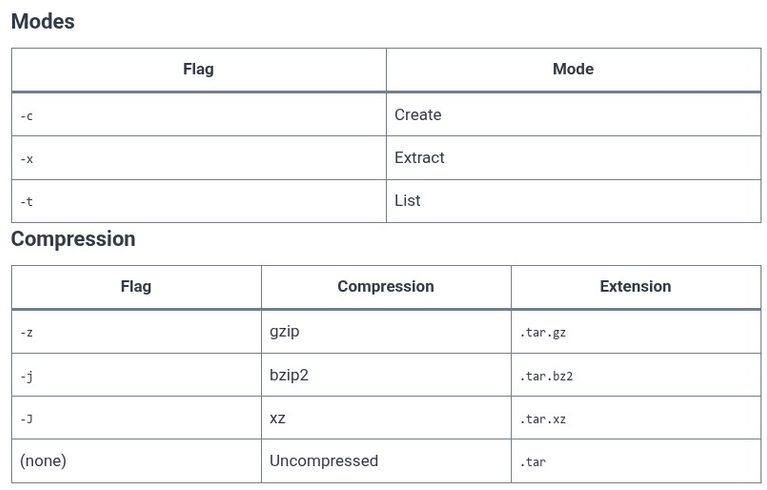
    The previous chapter covered the conceptual backup strategies: the 3-2-1 rule, the RPO and RTO, and the distinction between full, incremental, and differential backups. This chapter covers the practical tool that implements those strategies on Linux: tar (Tape ARchive). Despite the name, tar is not just for tapes. It is the standard archiver for Linux,…

    Read More LFCS 148 🐧 Backup with tarContinue

  • LFCS 147 🐧 Backup Strategies
    Linux | LFCS - Linux Foundation Certified Sysadmin | Operating Systems

    LFCS 147 🐧 Backup Strategies

    ByKandZ October 30, 2026October 30, 2026

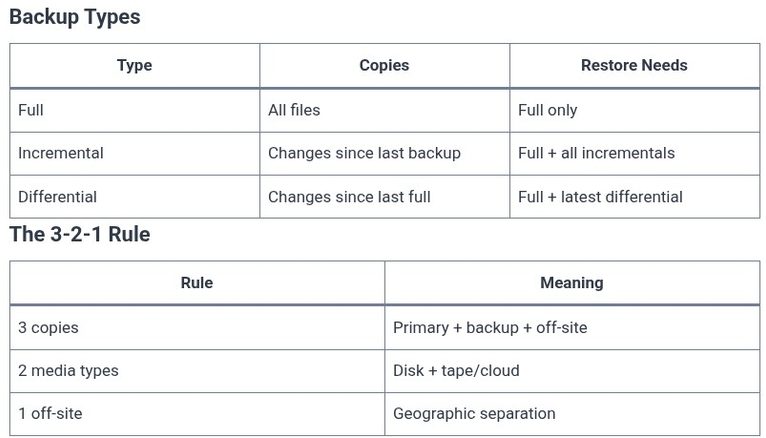
    The previous chapters covered security and monitoring. This chapter shifts the focus to disaster recovery: the principles of backup that determine whether the data survives a disk failure, a ransomware attack, an accidental deletion, or a natural disaster. The LFCS exam tests the conceptual model: the 3-2-1 rule, the distinction between full, incremental, and differential…

    Read More LFCS 147 🐧 Backup StrategiesContinue

  • LFCS 146 🐧 System Auditing — auditd
    Linux | LFCS - Linux Foundation Certified Sysadmin | Operating Systems

    LFCS 146 🐧 System Auditing — auditd

    ByKandZ October 30, 2026October 30, 2026

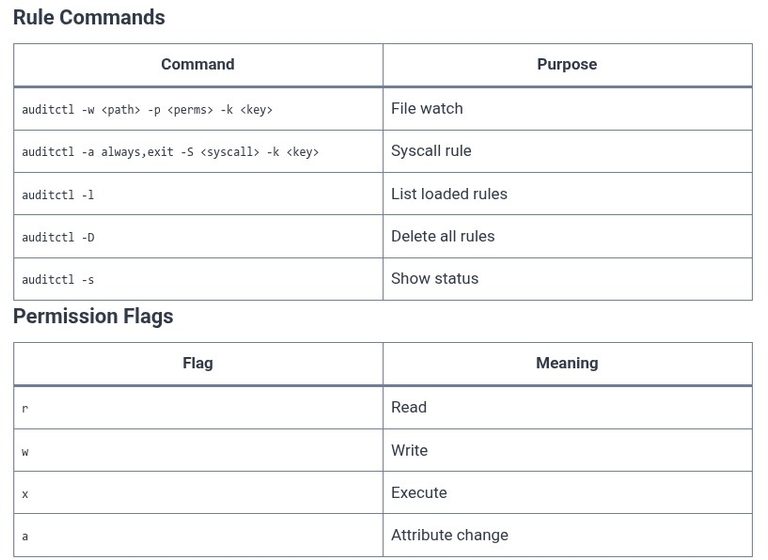
    The previous chapter covered AppArmor, which confines applications using path-based profiles. This chapter covers the system-wide audit framework: the kernel component that records security-relevant events and the auditd daemon that writes them to disk. Unlike AppArmor, which blocks actions, auditd observes and records. It does not prevent a file from being read; it records who…

    Read More LFCS 146 🐧 System Auditing — auditdContinue

  • LFCS 145 🐧 AppArmor — Profiles and Enforcement
    Linux | LFCS - Linux Foundation Certified Sysadmin | Operating Systems

    LFCS 145 🐧 AppArmor — Profiles and Enforcement

    ByKandZ October 30, 2026October 30, 2026

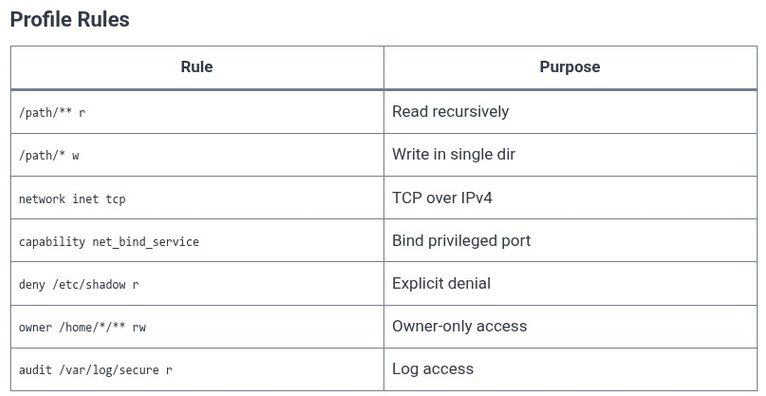
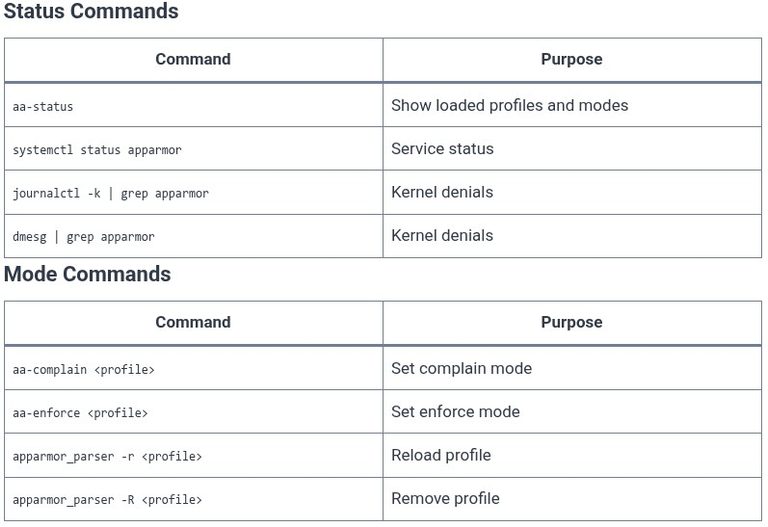
    The previous chapter introduced AppArmor’s conceptual model: path-based profiles attached to executables, with two enforcement modes. This chapter focuses on the practical mechanics of the profile files themselves and the operational workflow of switching between enforce and complain mode, reloading profiles after edits, and using the tooling to iterate on profile development. The LFCS exam…

    Read More LFCS 145 🐧 AppArmor — Profiles and EnforcementContinue

  • LFCS 144 🐧 AppArmor — Concepts
    Linux | LFCS - Linux Foundation Certified Sysadmin | Operating Systems

    LFCS 144 🐧 AppArmor — Concepts

    ByKandZ October 30, 2026October 30, 2026

    The previous chapters covered SELinux, which is the default Mandatory Access Control (MAC) system on RHEL-family distributions. This chapter introduces AppArmor, which is the default MAC system on Ubuntu and SUSE. Both systems enforce a security policy that sits behind the traditional Unix permissions, but they use fundamentally different models. SELinux uses inode-based labels and…

    Read More LFCS 144 🐧 AppArmor — ConceptsContinue

  • LFCS 143 🐧 SELinux — Troubleshooting
    Linux | LFCS - Linux Foundation Certified Sysadmin | Operating Systems

    LFCS 143 🐧 SELinux — Troubleshooting

    ByKandZ October 30, 2026October 30, 2026

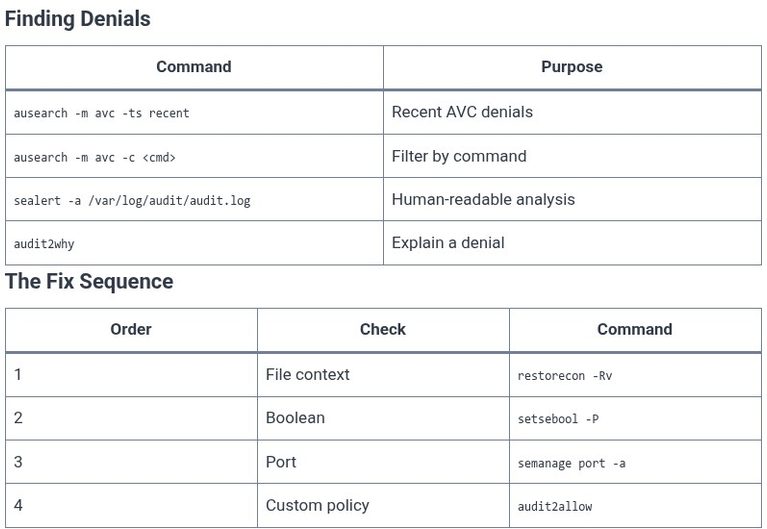
    The previous chapters covered the SELinux modes, contexts, and booleans. This chapter covers the workflow for diagnosing an access denial. An application fails, the logs show a denial, and the administrator must decide whether the cause is a mislabeled file, a boolean that needs to be toggled, a port that is not permitted, or a…

    Read More LFCS 143 🐧 SELinux — TroubleshootingContinue

Page navigation

Previous PagePrevious 1 2 3 4 5 6 … 248 Next PageNext
    Search