Skip to content

KandZ - Tuts

  • Operating Systems ▾
    • Linux ▾
      • Distros ▾
        • Fedora
        • Other Distros
        • Ubuntu
      • Gnome 48
      • KDE
      • LFCA - Linux Foundation Certified IT Associate
      • LFCS - Linux Foundation Certified Sysadmin
      • LFCE - Linux Foundation Certified Engineer (Sysadmin + Network Admin)
      • Linux CLI
      • Various
      • Bash Scripting
  • Paths ▾
    • Core Web Stack
    • React & Modern UI Stack
    • Linux Core
  • Programming ▾
    • Frontend (FED) ▾
      • React Ecosystem ▾
        • React
        • React Router
        • TanStack Router
        • TanStack Query (React Query)
        • Zustand
        • Redux Toolkit
      • Angular Ecosystem ▾
        • Angular
      • Vue Ecosystem ▾
        • Vue.js
      • Styling & UI Components ▾
        • Tailwind CSS
    • Languages & Runtimes ▾
      • CSS
      • Dart
      • HTML
      • JavaScript
      • Node.js
      • Rust
      • SQL
      • TypeScript
    • Tools & Build Systems ▾
      • Version Control ▾
        • GitHub
        • Git
        • GitLab
      • Package Managers ▾
        • npm
        • Bun
        • yarn
        • pnpm
      • DevOps & Containers ▾
        • Docker
  • Servers & Self-Hosting ▾
    • Internet ▾
      • Internet Backend - Coming Soon
      • Internet Beginner
      • Internet Frontend - Coming Soon
    • Networking & DNS ▾
      • REST API
  • Tools
  • Windows ▾
    • Windows 11
KandZ - Tuts
AngularBunCSSDartDockerGitGitHubGitLabHTMLJavaScriptNode.jsnpmpnpmReactReact RouterRedux ToolkitRustSQLTailwind CSSTanStack Query (React Query)TanStack RouterTypeScriptVue.jsyarnZustandBash ScriptingFedoraGnome 48KDELFCA - Linux Foundation Certified IT AssociateLFCE - Linux Foundation Certified Engineer (Sysadmin + Network Admin)LFCS - Linux Foundation Certified SysadminLinux CLIOther DistrosUbuntuVariousCore Web StackInternet Backend - Coming SoonInternet BeginnerInternet Frontend - Coming SoonLinux CoreReact & Modern UI StackREST APIToolsWindows 11
  • React 111 ⚛️ Incremental Static Regeneration (ISR)
    Programming | Frontend (FED) | React

    React 111 ⚛️ Incremental Static Regeneration (ISR)

    ByKandZ October 24, 2026October 24, 2026

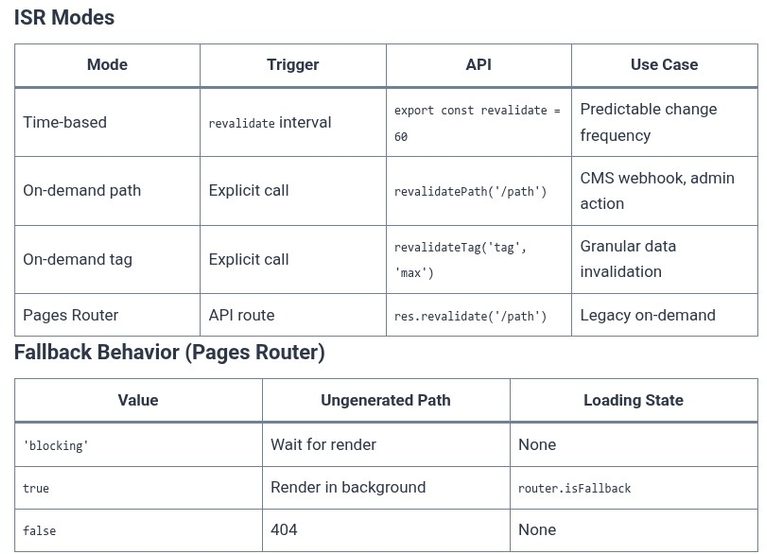
    Incremental Static Regeneration is the bridge between the two extremes of web rendering. Pure static generation produces fast pages but freezes content at build time. Pure server-side rendering produces fresh content but pays a computation cost on every request. ISR takes a third path: it serves static HTML from a cache, and when that cache…
    Read More React 111 ⚛️ Incremental Static Regeneration (ISR)Continue

  • LFCS 80 🐧 Persistent Mounts — /etc/fstab
    Linux | Operating Systems | LFCS - Linux Foundation Certified Sysadmin

    LFCS 80 🐧 Persistent Mounts — /etc/fstab

    ByKandZ October 24, 2026October 24, 2026

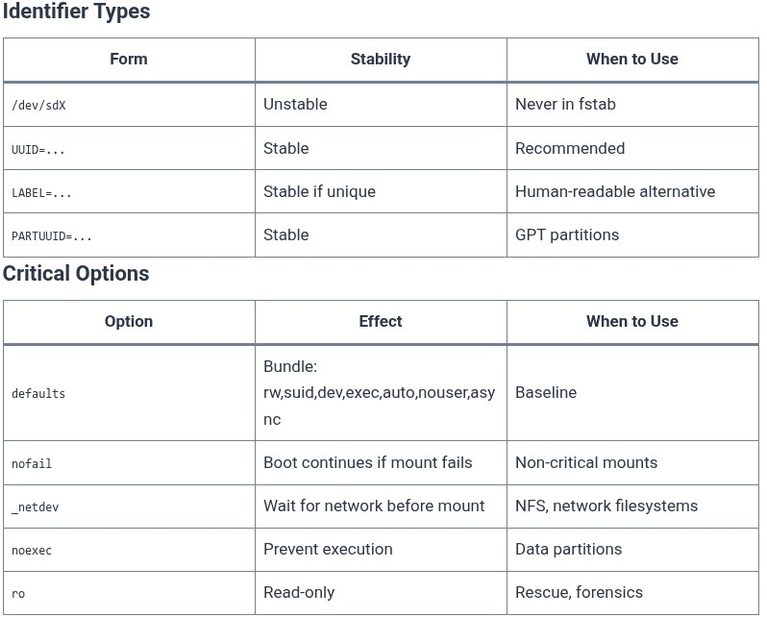
    A mount performed at the shell lasts until reboot. A mount written into /etc/fstab survives. That distinction is the entire purpose of the file: it is the static description of which filesystems the system should attach at boot, read by mount, fsck, and umount as they iterate through its records in order . The LFCS…

    Read More LFCS 80 🐧 Persistent Mounts — /etc/fstabContinue

  • LFCS 79 🐧 Mounting Filesystems — mount
    Linux | Operating Systems | LFCS - Linux Foundation Certified Sysadmin

    LFCS 79 🐧 Mounting Filesystems — mount

    ByKandZ October 24, 2026October 24, 2026

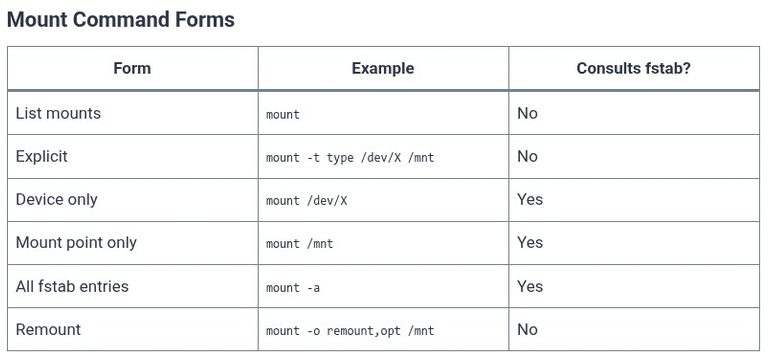
    A filesystem that has been created but not mounted is inert. The kernel sees a block device with metadata on it, but no path leads from the directory tree to the files inside. mount is the command that connects the two: it attaches a filesystem to a directory, making the filesystem’s contents appear at that…

    Read More LFCS 79 🐧 Mounting Filesystems — mountContinue

  • LFCS 78 🐧 Creating Filesystems — mkfs
    Linux | Operating Systems | LFCS - Linux Foundation Certified Sysadmin

    LFCS 78 🐧 Creating Filesystems — mkfs

    ByKandZ October 24, 2026October 24, 2026

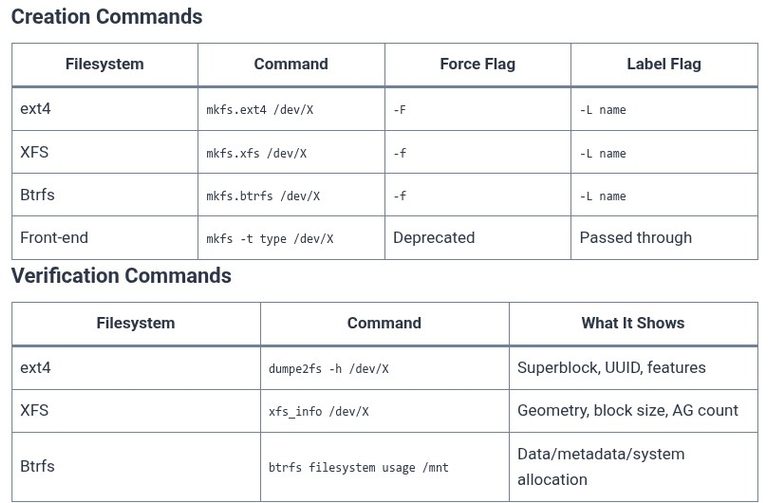
    mkfs is the command that turns a raw block device into something the kernel can mount. It is a front-end, not an implementation: mkfs itself does almost nothing except locate and execute the filesystem-specific builder for the type you request . Understanding that distinction is the first step toward using it correctly, because the options…

    Read More LFCS 78 🐧 Creating Filesystems — mkfsContinue

  • LFCS 77 🐧 Filesystems — Overview
    Linux | Operating Systems | LFCS - Linux Foundation Certified Sysadmin

    LFCS 77 🐧 Filesystems — Overview

    ByKandZ October 24, 2026October 24, 2026

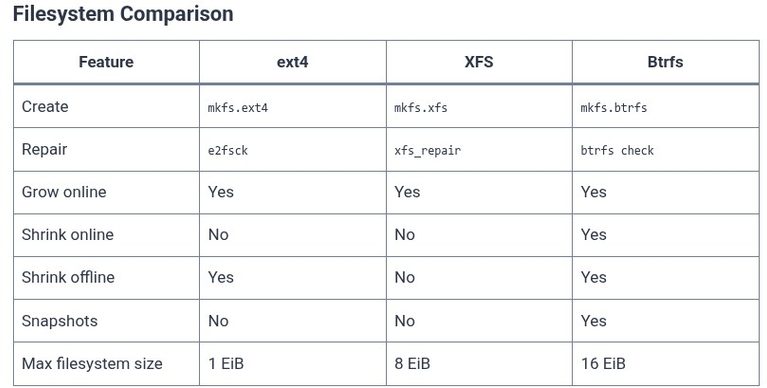
    A Linux system administrator does not format a disk “with Linux.” They format it with a specific filesystem, and that choice determines what the storage can do: whether it can shrink, whether it can snapshot, whether it can recover from a power loss without a lengthy check, and how it behaves under concurrent load. The…

    Read More LFCS 77 🐧 Filesystems — OverviewContinue

  • LFCS 76 🐧 Partitioning with parted
    Linux | Operating Systems | LFCS - Linux Foundation Certified Sysadmin

    LFCS 76 🐧 Partitioning with parted

    ByKandZ October 24, 2026October 24, 2026

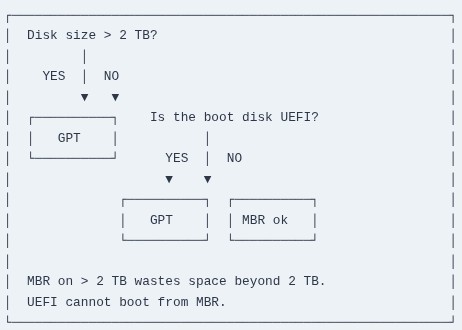
    parted is the partition editor that LFCS candidates reach for when a disk exceeds the limits of MBR or when a script needs to create a layout without interactive prompts. Unlike fdisk, which stages changes until a final w commit, parted applies each command immediately, and that immediacy is both its convenience and its hazard….

    Read More LFCS 76 🐧 Partitioning with partedContinue

  • Free HTTP Request Payload Generator
    Tools

    Free HTTP Request Payload Generator

    ByKandZ October 24, 2026October 24, 2026

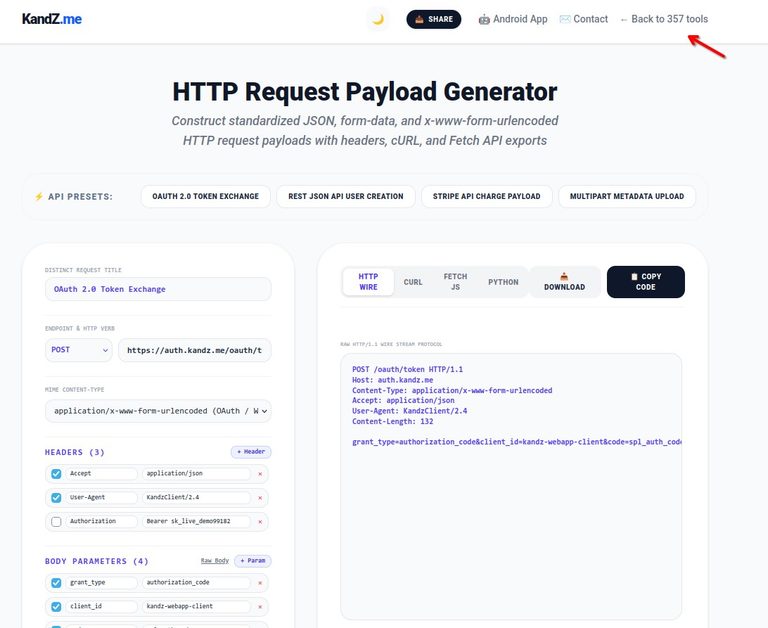
    Building HTTP request payloads by hand is tedious. You miss a header. You mess up the form-data boundaries. You forget how to format cURL. You spend an hour debugging a request that was malformed from the start. I built a free tool that solves this. What it does: Use cases: Privacy:100% client-side. Nothing uploaded. Try…

    Read More Free HTTP Request Payload GeneratorContinue

  • Rust 100 🦀 Interior Mutability Mechanics and UnsafeCell (UnsafeCell)
    Programming | Languages & Runtimes | Rust

    Rust 100 🦀 Interior Mutability Mechanics and UnsafeCell (UnsafeCell)

    ByKandZ October 23, 2026October 23, 2026

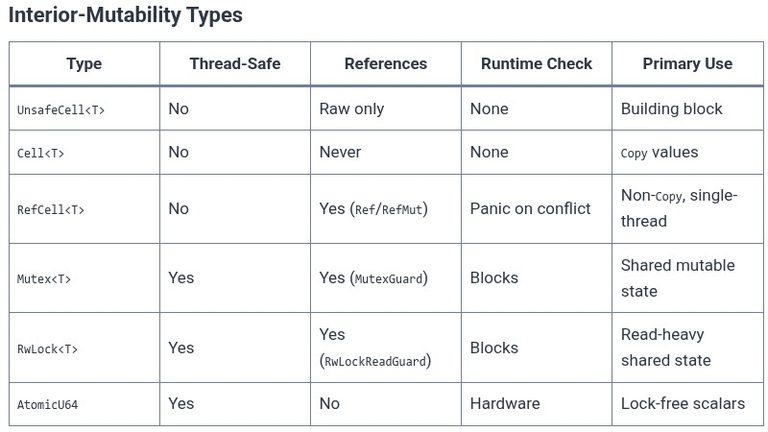
    Rust’s foundational aliasing rule is simple to state: a value can have either many shared references or exactly one mutable reference, never both. The compiler enforces this statically, and the optimizer relies on it to generate fast code. But some programs need mutation through a shared reference—a cache that updates on read, a reference-counted pointer…

    Read More Rust 100 🦀 Interior Mutability Mechanics and UnsafeCell (UnsafeCell)Continue

  • Rust 99 🦀 PhantomData (PhantomData) for Unused Type Parameters
    Programming | Languages & Runtimes | Rust

    Rust 99 🦀 PhantomData (PhantomData) for Unused Type Parameters

    ByKandZ October 23, 2026October 23, 2026

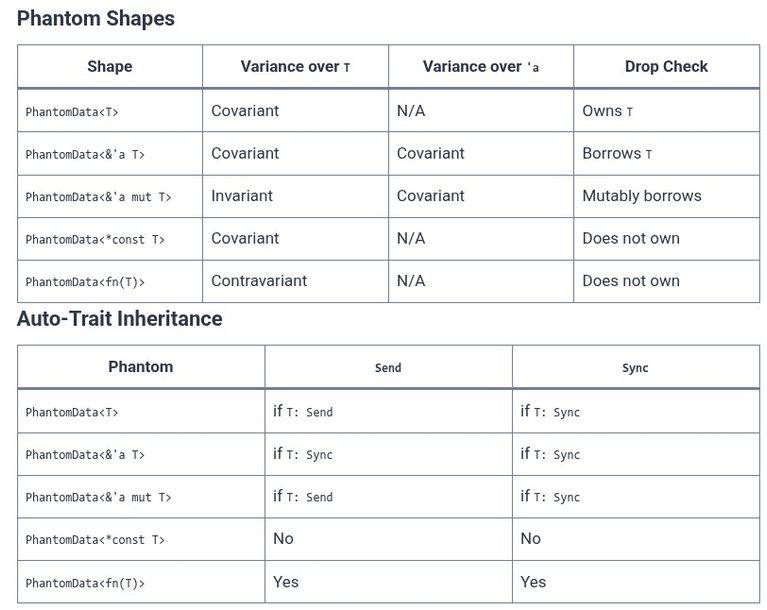
    Rust’s type system forbids unused generic parameters in struct definitions. A lifetime that appears in a struct’s header but nowhere in its fields is unbounded, and unbounded parameters cause the compiler to reject the definition outright. This restriction exists because unused parameters leave the compiler unable to reason about variance, drop safety, and auto-trait propagation….

    Read More Rust 99 🦀 PhantomData (PhantomData) for Unused Type ParametersContinue

  • Rust 98 🦀 Memory Layouts: #[repr(C)], Alignment, and Structure Packing
    Programming | Languages & Runtimes | Rust

    Rust 98 🦀 Memory Layouts: #[repr(C)], Alignment, and Structure Packing

    ByKandZ October 23, 2026October 23, 2026

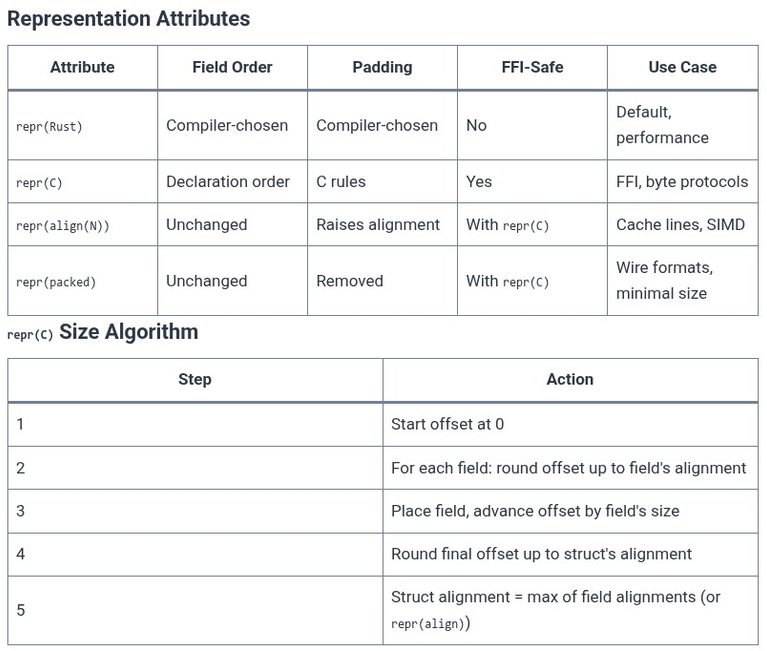
    Rust’s default memory layout is deliberately unspecified. The compiler is free to reorder fields, insert padding, and choose representations that minimize size or maximize access speed, and it may change those decisions between compilation sessions or target platforms. For most code this is invisible and beneficial. But when a type crosses an FFI boundary, when…

    Read More Rust 98 🦀 Memory Layouts: #[repr(C)], Alignment, and Structure PackingContinue

Page navigation

Previous PagePrevious 1 … 35 36 37 38 39 … 257 Next PageNext
    Search