Skip to content

KandZ - Tuts

  • Operating Systems ▾
    • Linux ▾
      • Distros ▾
        • Fedora
        • Other Distros
        • Ubuntu
      • Gnome 48
      • KDE
      • LFCA - Linux Foundation Certified IT Associate
      • LFCS - Linux Foundation Certified Sysadmin
      • LFCE - Linux Foundation Certified Engineer (Sysadmin + Network Admin)
      • Linux CLI
      • Various
      • Bash Scripting
  • Paths ▾
    • Core Web Stack
    • React & Modern UI Stack
    • Linux Core
  • Programming ▾
    • Frontend (FED) ▾
      • React Ecosystem ▾
        • React
        • React Router
        • TanStack Router
        • TanStack Query (React Query)
        • Zustand
        • Redux Toolkit
      • Angular Ecosystem ▾
        • Angular
      • Vue Ecosystem ▾
        • Vue.js
      • Styling & UI Components ▾
        • Tailwind CSS
    • Languages & Runtimes ▾
      • CSS
      • Dart
      • HTML
      • JavaScript
      • Node.js
      • Rust
      • SQL
      • TypeScript
    • Tools & Build Systems ▾
      • Version Control ▾
        • GitHub
        • Git
        • GitLab
      • Package Managers ▾
        • npm
        • Bun
        • yarn
        • pnpm
      • DevOps & Containers ▾
        • Docker
  • Servers & Self-Hosting ▾
    • Internet ▾
      • Internet Backend - Coming Soon
      • Internet Beginner
      • Internet Frontend - Coming Soon
    • Networking & DNS ▾
      • REST API
  • Tools
  • Windows ▾
    • Windows 11
KandZ - Tuts
AngularBunCSSDartDockerGitGitHubGitLabHTMLJavaScriptNode.jsnpmpnpmReactReact RouterRedux ToolkitRustSQLTailwind CSSTanStack Query (React Query)TanStack RouterTypeScriptVue.jsyarnZustandBash ScriptingFedoraGnome 48KDELFCA - Linux Foundation Certified IT AssociateLFCE - Linux Foundation Certified Engineer (Sysadmin + Network Admin)LFCS - Linux Foundation Certified SysadminLinux CLIOther DistrosUbuntuVariousCore Web StackInternet Backend - Coming SoonInternet BeginnerInternet Frontend - Coming SoonLinux CoreReact & Modern UI StackREST APIToolsWindows 11
  • REST API 12 🌐 JWT (JSON Web Tokens) Implementation and Refresh Tokens
    Servers & Self-Hosting | Networking & DNS | REST API

    REST API 12 🌐 JWT (JSON Web Tokens) Implementation and Refresh Tokens

    ByKandZ October 19, 2026October 19, 2026

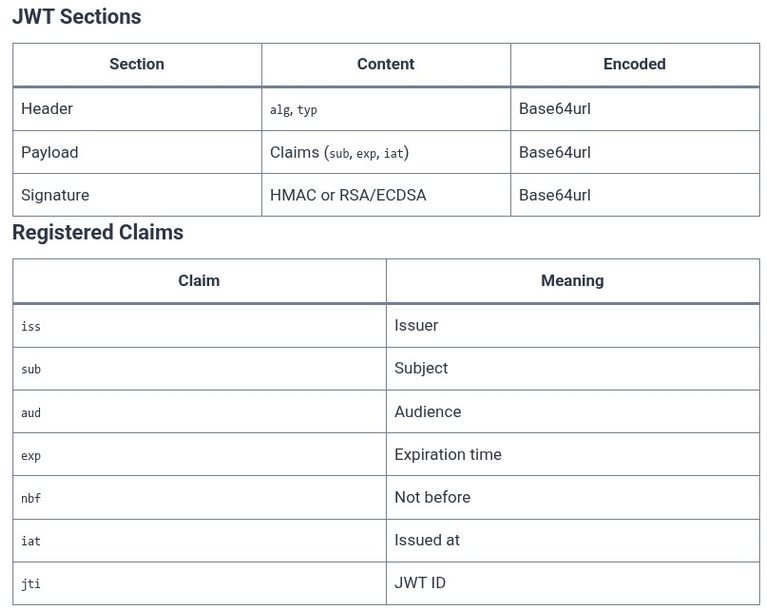
    A JSON Web Token is a compact, URL-safe string that encodes a set of claims about a subject. It is defined by RFC 7519 as a representation format “intended for space constrained environments such as HTTP Authorization headers and URI query parameters” . The token is not encrypted by default. Its three parts—header, payload, and…
    Read More REST API 12 🌐 JWT (JSON Web Tokens) Implementation and Refresh TokensContinue

  • REST API 11 🌐 Authentication Methods (API Keys, Basic Auth, Bearer Tokens)
    Servers & Self-Hosting | Networking & DNS | REST API

    REST API 11 🌐 Authentication Methods (API Keys, Basic Auth, Bearer Tokens)

    ByKandZ October 19, 2026October 19, 2026

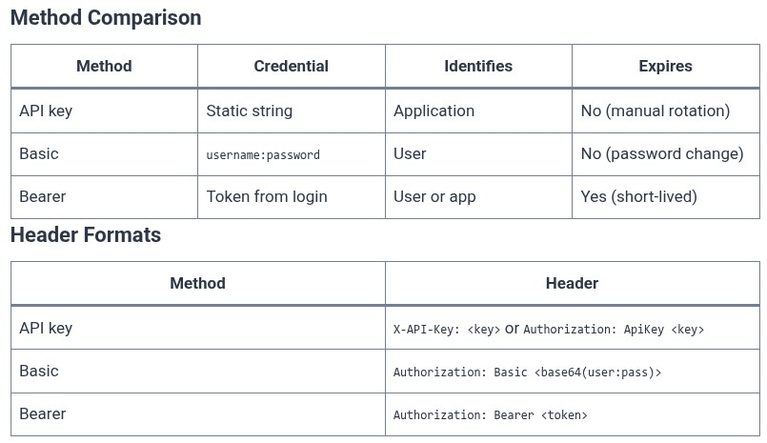
    Every API request that touches protected data must answer one question before it does anything else: who is making this request? Authentication is the mechanism that answers it. The three methods in this chapter—API keys, HTTP Basic authentication, and Bearer tokens—represent three different answers to that question, and they are not interchangeable. An API key…

    Read More REST API 11 🌐 Authentication Methods (API Keys, Basic Auth, Bearer Tokens)Continue

  • LFCS 60 🐧 systemd — Concepts and Architecture
    Linux | Operating Systems | LFCS - Linux Foundation Certified Sysadmin

    LFCS 60 🐧 systemd — Concepts and Architecture

    ByKandZ October 19, 2026October 19, 2026

    systemd is the init system and service manager that replaced SysVinit and Upstart on most modern Linux distributions. It is not just a boot script runner. It is a dependency-aware, parallel-starting, socket-activated service manager that also handles device management, mount points, timers, and resource control. The core abstraction is the unit: a resource that systemd…

    Read More LFCS 60 🐧 systemd — Concepts and ArchitectureContinue

  • LFCS 59 🐧 Signals — Overview and Use
    Linux | Operating Systems | LFCS - Linux Foundation Certified Sysadmin

    LFCS 59 🐧 Signals — Overview and Use

    ByKandZ October 19, 2026October 19, 2026

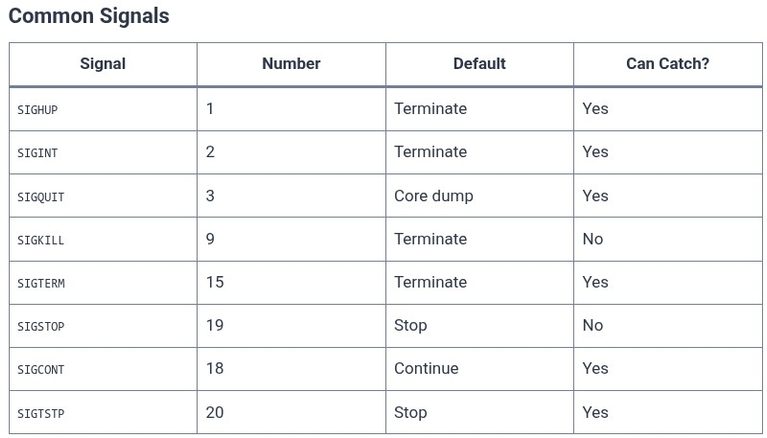
    A signal is a limited form of inter-process communication: a notification delivered to a process by the kernel or by another process. It interrupts whatever the process is doing and invokes one of three dispositions—the default action, an ignore, or a handler function that the process installed. The default action is signal-specific. SIGTERM terminates the…

    Read More LFCS 59 🐧 Signals — Overview and UseContinue

  • LFCS 58 🐧 Persistent Sessions — nohup, screen, tmux
    Linux | Operating Systems | LFCS - Linux Foundation Certified Sysadmin

    LFCS 58 🐧 Persistent Sessions — nohup, screen, tmux

    ByKandZ October 19, 2026October 19, 2026

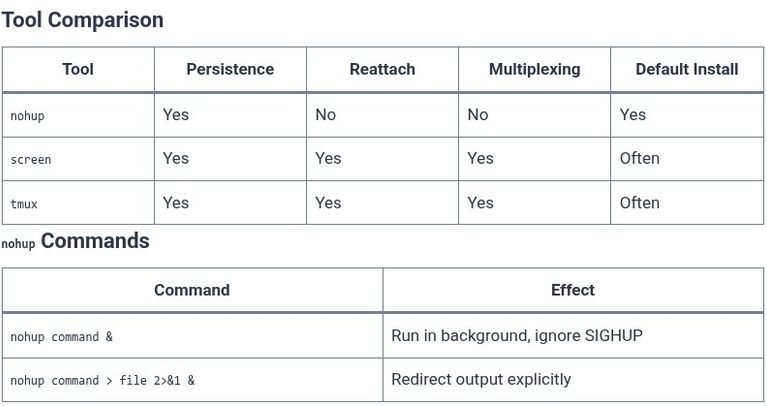
    A shell session ends when the terminal closes or the SSH connection drops. Every process that was started from that shell receives a SIGHUP (hang-up signal), and unless the process is specifically designed to survive it, it terminates. This is the default behavior, and for a quick command it is correct. For a long-running task—a…

    Read More LFCS 58 🐧 Persistent Sessions — nohup, screen, tmuxContinue

  • LFCS 57 🐧 Background Jobs — &, bg, fg, jobs
    Linux | Operating Systems | LFCS - Linux Foundation Certified Sysadmin

    LFCS 57 🐧 Background Jobs — &, bg, fg, jobs

    ByKandZ October 19, 2026October 19, 2026

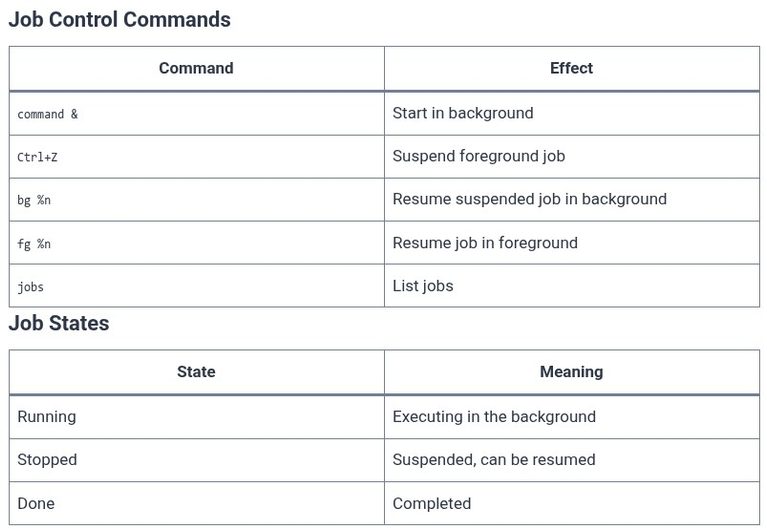
    A shell session is not limited to running one command at a time. Job control is the mechanism that lets you start a process in the background, suspend a foreground process, resume it later, and list everything the shell is managing. The ampersand (&) starts a command asynchronously, returning the prompt immediately while the process…

    Read More LFCS 57 🐧 Background Jobs — &, bg, fg, jobsContinue

  • LFCS 56 🐧 Process Priority — nice, renice
    Linux | Operating Systems | LFCS - Linux Foundation Certified Sysadmin

    LFCS 56 🐧 Process Priority — nice, renice

    ByKandZ October 19, 2026October 19, 2026

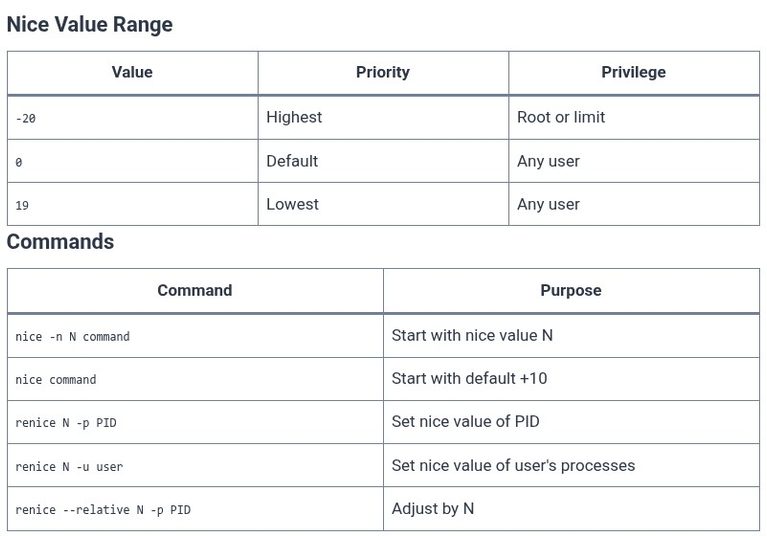
    Every process on a Linux system competes for CPU time, and the scheduler decides who gets the processor and for how long. The nice value is the user-space lever for influencing that decision. It is an integer from -20 to 19, where -20 is the highest priority and 19 is the lowest . The name…

    Read More LFCS 56 🐧 Process Priority — nice, reniceContinue

  • Vue.js 70 🟢 Testing Pinia Stores, Vue Router Navigation, and Async Operations
    Frontend (FED) | Programming | Vue.js

    Vue.js 70 🟢 Testing Pinia Stores, Vue Router Navigation, and Async Operations

    ByKandZ October 19, 2026October 19, 2026

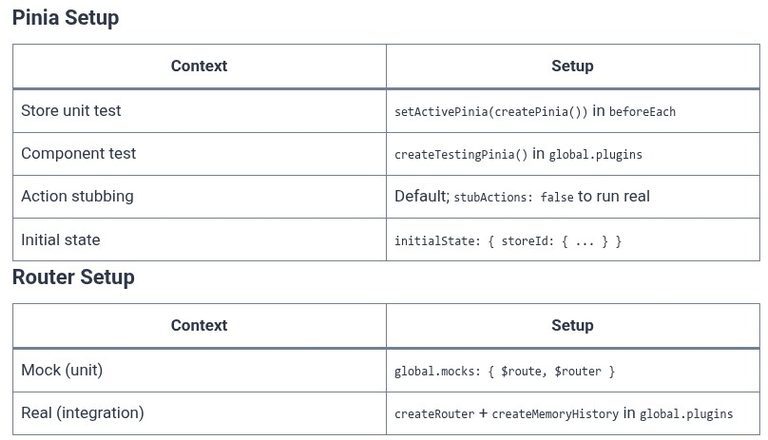
    A Vue component does not exist in isolation. It reads from a Pinia store, navigates with Vue Router, and fetches data asynchronously. A test that mounts the component without providing these dependencies fails with an injection error, a missing $router, or an assertion that runs before the data arrives. The three dependencies require three different…

    Read More Vue.js 70 🟢 Testing Pinia Stores, Vue Router Navigation, and Async OperationsContinue

  • Vue.js 69 🟢 Unit Testing Vue Components with Vitest and Vue Test Utils
    Programming | Frontend (FED) | Vue.js

    Vue.js 69 🟢 Unit Testing Vue Components with Vitest and Vue Test Utils

    ByKandZ October 19, 2026October 19, 2026

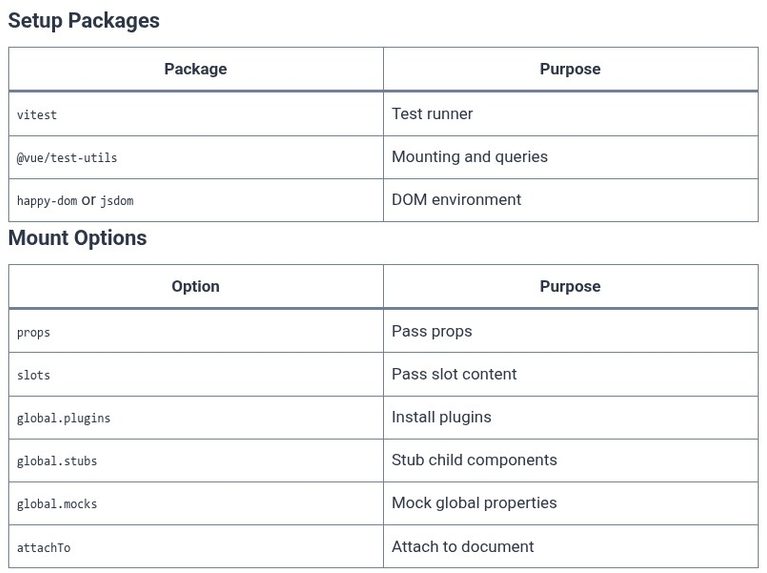
    A Vue component is a black box from the outside. It receives props, renders output, and emits events. The test should assert on those three things—what goes in, what comes out, and what the user sees—rather than on the internal refs, computed properties, or methods. Vue Test Utils is the library that mounts the component…

    Read More Vue.js 69 🟢 Unit Testing Vue Components with Vitest and Vue Test UtilsContinue

  • Vue.js 68 🟢 Native Web Components Integration (defineCustomElement)
    Programming | Frontend (FED) | Vue.js

    Vue.js 68 🟢 Native Web Components Integration (defineCustomElement)

    ByKandZ October 19, 2026October 19, 2026

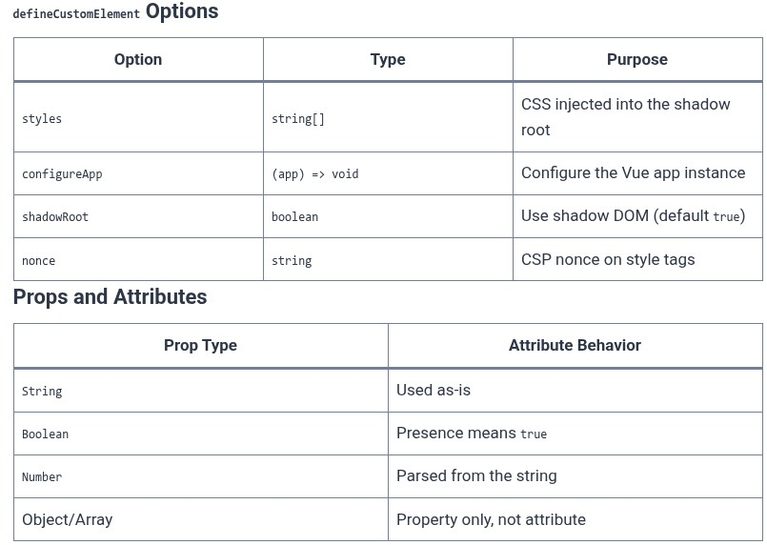
    Vue components and native Web Components are two different component models that solve overlapping problems. Vue’s component model is framework-specific: a Vue component is a plain object or function that the Vue runtime knows how to mount and update. A Web Component is a browser primitive: a class that extends HTMLElement and is registered with…

    Read More Vue.js 68 🟢 Native Web Components Integration (defineCustomElement)Continue

Page navigation

Previous PagePrevious 1 … 61 62 63 64 65 … 261 Next PageNext
    Search