Skip to content

KandZ - Tuts

  • Operating Systems ▾
    • Linux ▾
      • Distros ▾
        • Fedora
        • Other Distros
        • Ubuntu
      • Gnome 48
      • KDE
      • LFCA - Linux Foundation Certified IT Associate
      • LFCS - Linux Foundation Certified Sysadmin
      • LFCE - Linux Foundation Certified Engineer (Sysadmin + Network Admin)
      • Linux CLI
      • Various
      • Bash Scripting
  • Paths ▾
    • Core Web Stack
    • React & Modern UI Stack
    • Linux Core
  • Programming ▾
    • Frontend (FED) ▾
      • React Ecosystem ▾
        • React
        • React Router
        • TanStack Router
        • TanStack Query (React Query)
        • Zustand
        • Redux Toolkit
      • Angular Ecosystem ▾
        • Angular
      • Vue Ecosystem ▾
        • Vue.js
      • Styling & UI Components ▾
        • Tailwind CSS
    • Languages & Runtimes ▾
      • CSS
      • Dart
      • HTML
      • JavaScript
      • Node.js
      • Rust
      • SQL
      • TypeScript
    • Tools & Build Systems ▾
      • Version Control ▾
        • GitHub
        • Git
        • GitLab
      • Package Managers ▾
        • npm
        • Bun
        • yarn
        • pnpm
      • DevOps & Containers ▾
        • Docker
  • Servers & Self-Hosting ▾
    • Internet ▾
      • Internet Backend - Coming Soon
      • Internet Beginner
      • Internet Frontend - Coming Soon
    • Networking & DNS ▾
      • REST API
  • Tools
  • Windows ▾
    • Windows 11
KandZ - Tuts
AngularBunCSSDartDockerGitGitHubGitLabHTMLJavaScriptNode.jsnpmpnpmReactReact RouterRedux ToolkitRustSQLTailwind CSSTanStack Query (React Query)TanStack RouterTypeScriptVue.jsyarnZustandBash ScriptingFedoraGnome 48KDELFCA - Linux Foundation Certified IT AssociateLFCE - Linux Foundation Certified Engineer (Sysadmin + Network Admin)LFCS - Linux Foundation Certified SysadminLinux CLIOther DistrosUbuntuVariousCore Web StackInternet Backend - Coming SoonInternet BeginnerInternet Frontend - Coming SoonLinux CoreReact & Modern UI StackREST APIToolsWindows 11
  • Rust 78 🦀 Abstract Syntax Tree Manipulation (syn and quote crates)
    Programming | Languages & Runtimes | Rust

    Rust 78 🦀 Abstract Syntax Tree Manipulation (syn and quote crates)

    ByKandZ October 19, 2026October 19, 2026

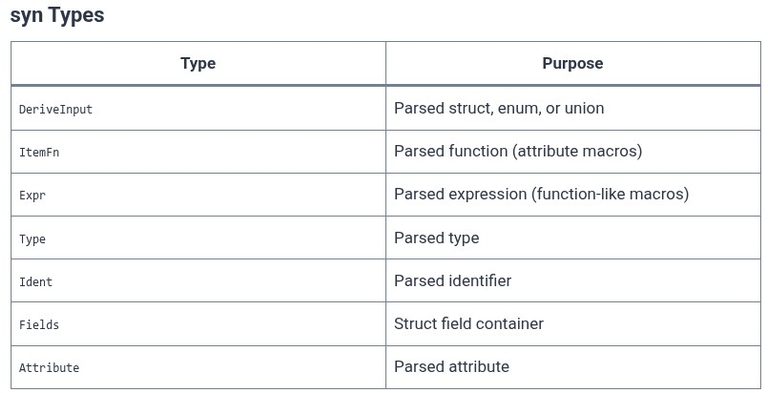
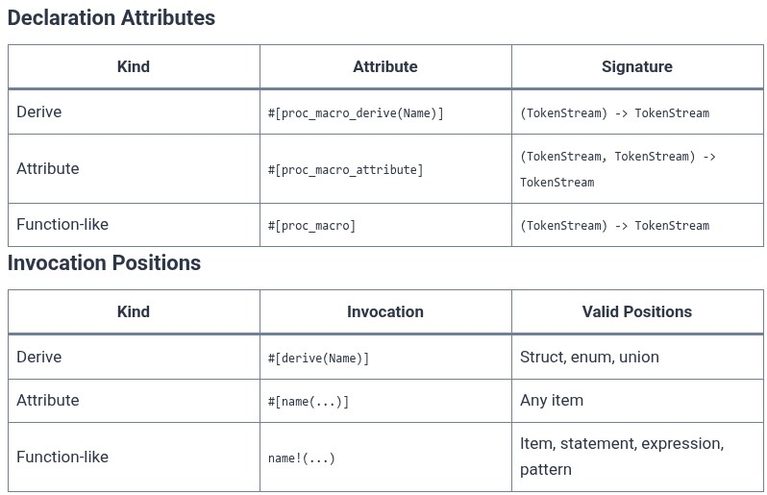
    A procedural macro receives a flat stream of tokens. It cannot ask “is this a struct or an enum?” or “what are the field names?” at the token level. The syn crate parses that token stream into a typed syntax tree—DeriveInput, ItemFn, Expr, Type—so the macro can navigate the structure with Rust’s pattern matching and…
    Read More Rust 78 🦀 Abstract Syntax Tree Manipulation (syn and quote crates)Continue

  • Rust 77 🦀 Attribute-Like Macros and Function-Like Macros
    Programming | Languages & Runtimes | Rust

    Rust 77 🦀 Attribute-Like Macros and Function-Like Macros

    ByKandZ October 19, 2026October 19, 2026

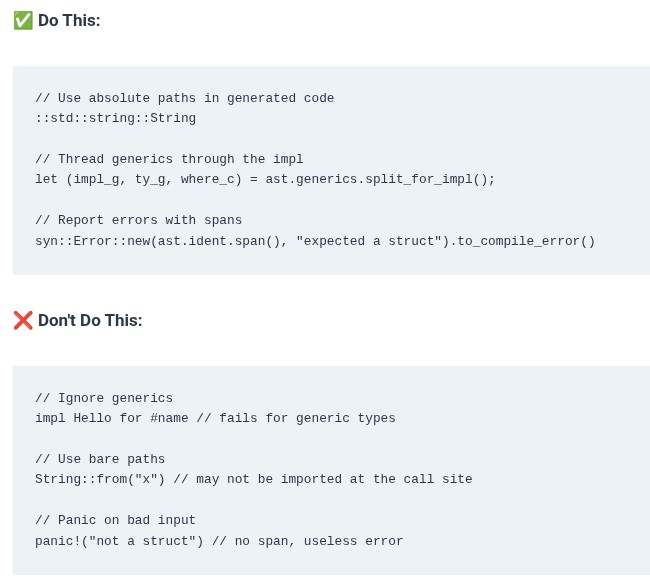
    Rust has three kinds of procedural macros, and the derive macro covered in the previous chapter is only the first. The other two—attribute-like macros and function-like macros—share the same crate type and the same TokenStream interface, but they are invoked in different syntactic positions and receive different inputs. An attribute-like macro is written as #[route(GET,…

    Read More Rust 77 🦀 Attribute-Like Macros and Function-Like MacrosContinue

  • Rust 76 🦀 Procedural Macros: Derive Macros (#[derive])
    Programming | Languages & Runtimes | Rust

    Rust 76 🦀 Procedural Macros: Derive Macros (#[derive])

    ByKandZ October 19, 2026October 19, 2026

    Derive macros are the most common kind of procedural macro in Rust. When you write #[derive(Debug, Clone, Serialize)], the compiler invokes a procedural macro for each of those names, passing the token stream of the annotated item, and expects a token stream of new items to append to the surrounding module . The macro is…

    Read More Rust 76 🦀 Procedural Macros: Derive Macros (#[derive])Continue

  • Dart 80 🎯 Native C Extensions vs Dart FFI Performance Benchmarks
    Programming | Dart | Languages & Runtimes

    Dart 80 🎯 Native C Extensions vs Dart FFI Performance Benchmarks

    ByKandZ October 19, 2026October 19, 2026

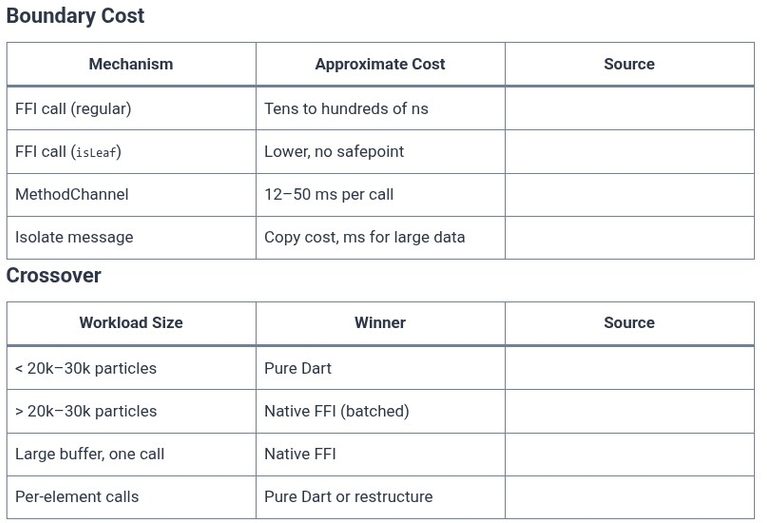
    The question of whether to write a native C extension or use Dart FFI is not a question about whether native code is faster than Dart. In a pure computational sense, C is faster for the same algorithm because it compiles to machine code without the Dart VM’s overhead. The real question is whether the…

    Read More Dart 80 🎯 Native C Extensions vs Dart FFI Performance BenchmarksContinue

  • Dart 79 🎯 Object-Relational Mapping (ORM) and Database Connectors in Pure Dart
    Programming | Dart | Languages & Runtimes

    Dart 79 🎯 Object-Relational Mapping (ORM) and Database Connectors in Pure Dart

    ByKandZ October 19, 2026October 19, 2026

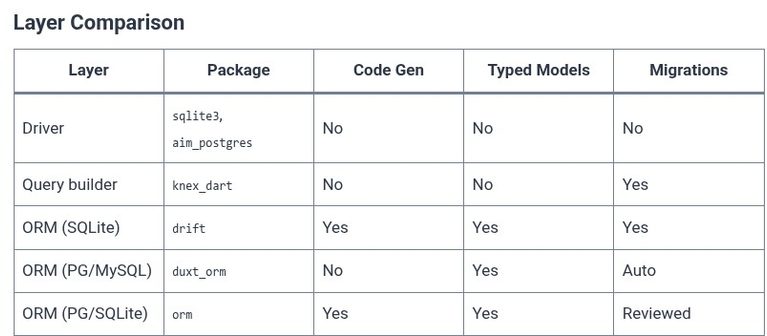
    Dart’s server-side ecosystem has no single ORM that dominates the way Hibernate dominates Java or ActiveRecord dominates Ruby. Instead, the landscape is a spectrum: raw drivers that speak the wire protocol, query builders that generate dialect-correct SQL, and ORMs that map tables to typed Dart classes with code generation. The choice between them is a…

    Read More Dart 79 🎯 Object-Relational Mapping (ORM) and Database Connectors in Pure DartContinue

  • Dart 78 🎯 Protocol Buffers (Protobuf) Compilation and Type Mapping
    Programming | Dart | Languages & Runtimes

    Dart 78 🎯 Protocol Buffers (Protobuf) Compilation and Type Mapping

    ByKandZ October 19, 2026October 19, 2026

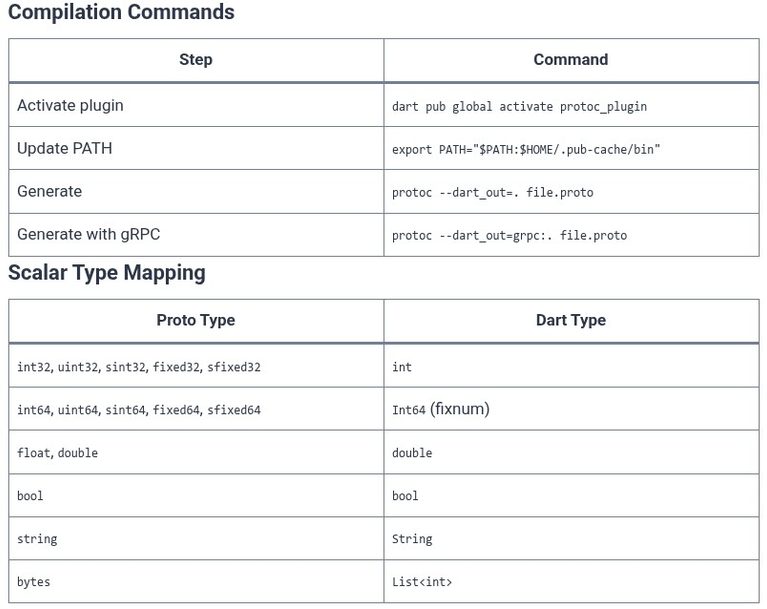
    Protocol Buffers is a language-neutral, platform-neutral mechanism for serializing structured data. In Dart, using it requires two distinct pieces: the protoc compiler with the Dart plugin, which generates the Dart source code from a .proto file, and the protobuf runtime package, which the generated code depends on to serialize and deserialize the messages . The…

    Read More Dart 78 🎯 Protocol Buffers (Protobuf) Compilation and Type MappingContinue

  • Dart 77 🎯 Microservices and gRPC Services Implementation in Dart (package:grpc)
    Programming | Dart | Languages & Runtimes

    Dart 77 🎯 Microservices and gRPC Services Implementation in Dart (package:grpc)

    ByKandZ October 19, 2026October 19, 2026

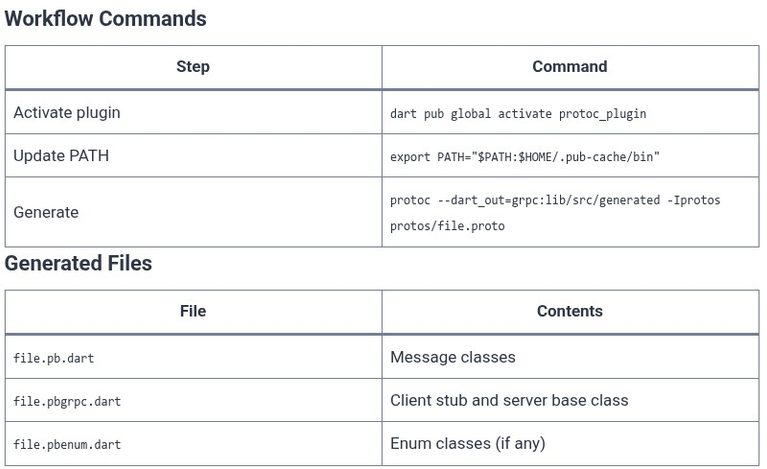
    A microservices architecture splits an application into small, independently deployable services that communicate over a network. The communication protocol matters: HTTP/JSON is flexible but lacks a strict contract, while gRPC provides a strongly typed interface defined in Protocol Buffers, generated client and server stubs, and native support for streaming in both directions. Dart’s package:grpc implements…

    Read More Dart 77 🎯 Microservices and gRPC Services Implementation in Dart (package:grpc)Continue

  • Dart 76 🎯 WebSockets Implementation in Pure Dart Client and Server Applications
    Programming | Dart | Languages & Runtimes

    Dart 76 🎯 WebSockets Implementation in Pure Dart Client and Server Applications

    ByKandZ October 19, 2026October 19, 2026

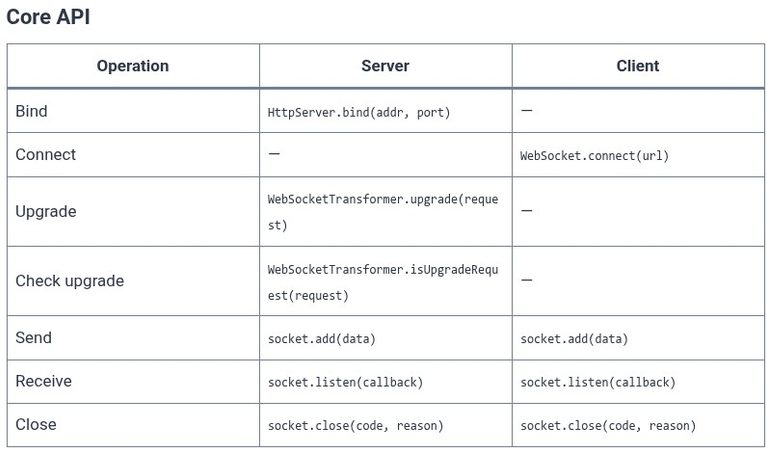
    A WebSocket is a persistent, bidirectional connection between a client and a server, established through an HTTP upgrade handshake and then maintained as a raw TCP socket. Unlike HTTP, where the client must ask for every response, a WebSocket lets either side send a message at any time. Dart’s standard library provides first-class support for…

    Read More Dart 76 🎯 WebSockets Implementation in Pure Dart Client and Server ApplicationsContinue

  • React 85 ⚛️ Testing User Interactions and Events
    Programming | Frontend (FED) | React

    React 85 ⚛️ Testing User Interactions and Events

    ByKandZ October 18, 2026October 18, 2026

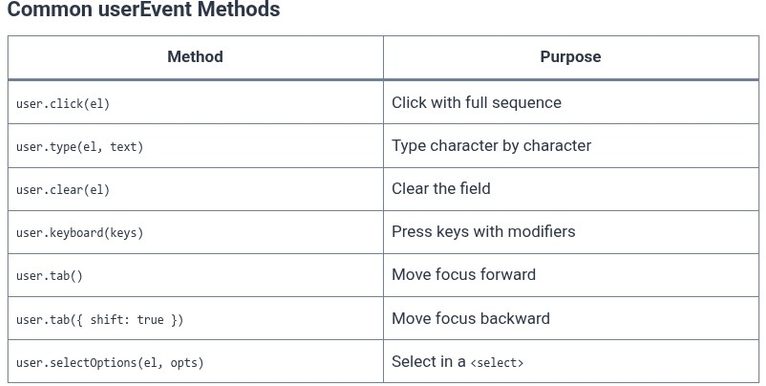
    A component test that renders markup and asserts on the output is only half a test. The other half is the interaction: the user types into a field, clicks a button, presses Escape, tabs through a form, or holds a modifier key while clicking. React Testing Library’s userEvent library exists to simulate those interactions with…

    Read More React 85 ⚛️ Testing User Interactions and EventsContinue

  • React 84 ⚛️ Unit Testing Components with React Testing Library
    Programming | Frontend (FED) | React

    React 84 ⚛️ Unit Testing Components with React Testing Library

    ByKandZ October 18, 2026October 18, 2026

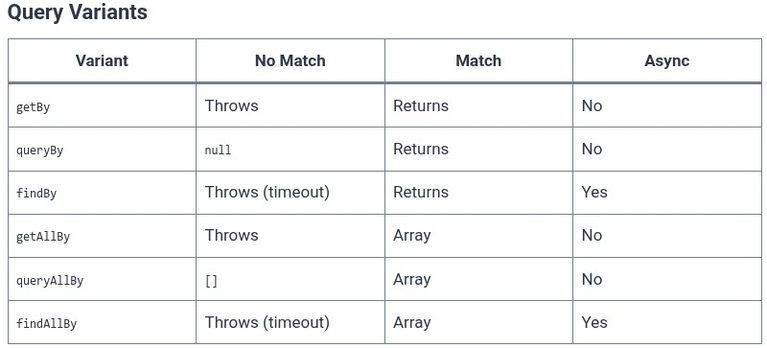
    React Testing Library (RTL) is not a test runner. It is a set of utilities that render a React component into a DOM and provide queries for finding elements the way a user would find them—by role, by label, by text—rather than by implementation details like component state or class names . The library’s guiding…

    Read More React 84 ⚛️ Unit Testing Components with React Testing LibraryContinue

Page navigation

Previous PagePrevious 1 … 63 64 65 66 67 … 261 Next PageNext
    Search