Skip to content

KandZ - Tuts

  • Operating Systems ▾
    • Linux ▾
      • Distros ▾
        • Fedora
        • Other Distros
        • Ubuntu
      • Gnome 48
      • KDE
      • LFCA - Linux Foundation Certified IT Associate
      • LFCS - Linux Foundation Certified Sysadmin
      • LFCE - Linux Foundation Certified Engineer (Sysadmin + Network Admin)
      • Linux CLI
      • Various
      • Bash Scripting
  • Paths ▾
    • Core Web Stack
    • React & Modern UI Stack
    • Linux Core
  • Programming ▾
    • Frontend (FED) ▾
      • React Ecosystem ▾
        • React
        • React Router
        • TanStack Router
        • TanStack Query (React Query)
        • Zustand
        • Redux Toolkit
      • Angular Ecosystem ▾
        • Angular
      • Vue Ecosystem ▾
        • Vue.js
      • Styling & UI Components ▾
        • Tailwind CSS
    • Languages & Runtimes ▾
      • CSS
      • Dart
      • HTML
      • JavaScript
      • Node.js
      • Rust
      • SQL
      • TypeScript
    • Tools & Build Systems ▾
      • Version Control ▾
        • GitHub
        • Git
        • GitLab
      • Package Managers ▾
        • npm
        • Bun
        • yarn
        • pnpm
      • DevOps & Containers ▾
        • Docker
  • Servers & Self-Hosting ▾
    • Internet ▾
      • Internet Backend - Coming Soon
      • Internet Beginner
      • Internet Frontend - Coming Soon
    • Networking & DNS ▾
      • REST API
  • Tools
  • Windows ▾
    • Windows 11
KandZ - Tuts
AngularBunCSSDartDockerGitGitHubGitLabHTMLJavaScriptNode.jsnpmpnpmReactReact RouterRedux ToolkitRustSQLTailwind CSSTanStack Query (React Query)TanStack RouterTypeScriptVue.jsyarnZustandBash ScriptingFedoraGnome 48KDELFCA - Linux Foundation Certified IT AssociateLFCE - Linux Foundation Certified Engineer (Sysadmin + Network Admin)LFCS - Linux Foundation Certified SysadminLinux CLIOther DistrosUbuntuVariousCore Web StackInternet Backend - Coming SoonInternet BeginnerInternet Frontend - Coming SoonLinux CoreReact & Modern UI StackREST APIToolsWindows 11
  • React 83 ⚛️ Portals with createPortal
    Programming | Frontend (FED) | React

    React 83 ⚛️ Portals with createPortal

    ByKandZ October 18, 2026October 18, 2026

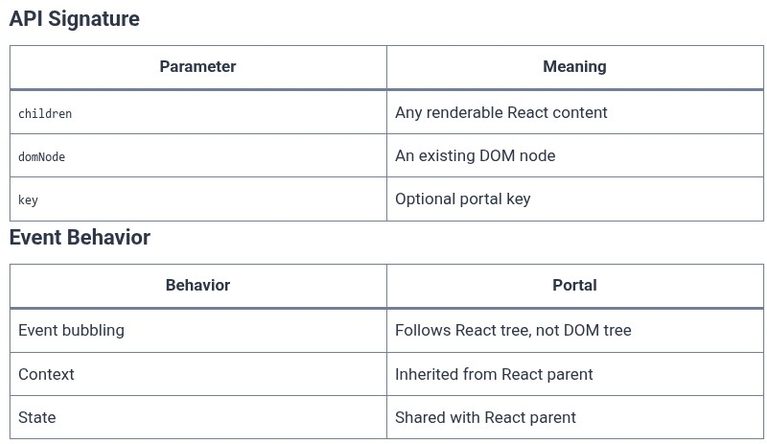
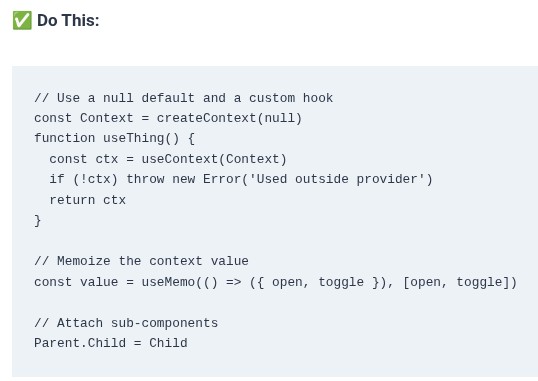
    A React component’s DOM output normally lands inside its parent’s DOM element. The component tree and the DOM tree are assumed to mirror each other. Portals break that assumption deliberately. createPortal(children, domNode) renders the children into a DOM node that exists anywhere in the document, while keeping the children in the same position in the…
    Read More React 83 ⚛️ Portals with createPortalContinue

  • React 82 ⚛️ Control Props Pattern
    Programming | Frontend (FED) | React

    React 82 ⚛️ Control Props Pattern

    ByKandZ October 18, 2026October 18, 2026

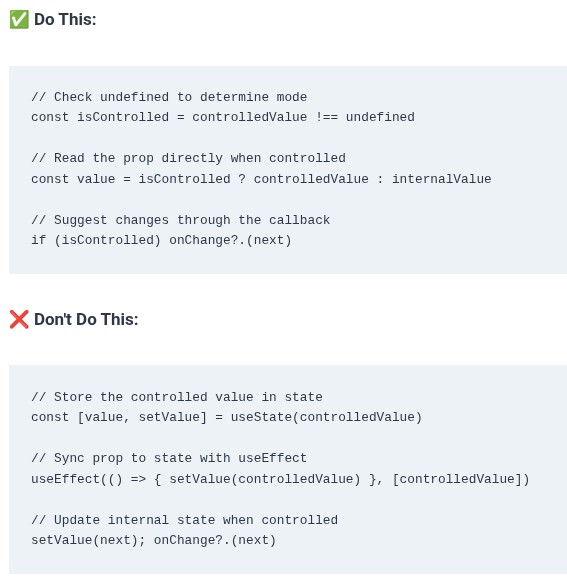
    The control props pattern is the mechanism that powers React’s own <input>. When you pass a value prop to an input, React stops managing the input’s state internally and defers to you. It still tells you what it would have done via onChange, but the decision is yours. The pattern generalizes that behavior to any…

    Read More React 82 ⚛️ Control Props PatternContinue

  • React 81 ⚛️ Compound Component Pattern
    Programming | Frontend (FED) | React

    React 81 ⚛️ Compound Component Pattern

    ByKandZ October 18, 2026October 18, 2026

    The compound component pattern is the React equivalent of HTML’s <select> and <option>. A native <select> manages its own state internally, and the <option> elements are configuration—they do not need to know how the dropdown works, only that they belong to it. The parent controls the behavior, the children declare the content, and the two…

    Read More React 81 ⚛️ Compound Component PatternContinue

  • SQL 105 🛢️ Lock Escalation, Latching, and Two-Phase Locking (2PL)
    Programming | Languages & Runtimes | SQL

    SQL 105 🛢️ Lock Escalation, Latching, and Two-Phase Locking (2PL)

    ByKandZ October 18, 2026October 18, 2026

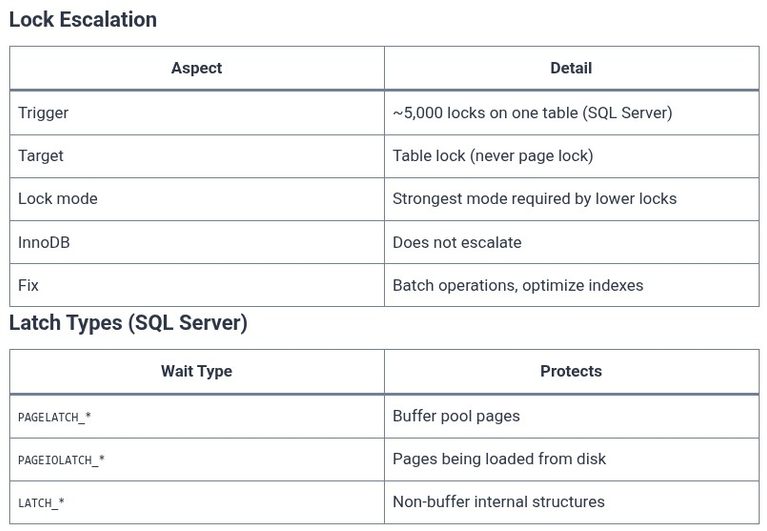
    Lock escalation, latching, and two-phase locking are three mechanisms that operate at different layers of the database engine, and confusing them is the source of many operational misunderstandings. Lock escalation is a memory optimization: when a single statement accumulates too many row-level locks, the engine converts them into a single table-level lock to reduce the…

    Read More SQL 105 🛢️ Lock Escalation, Latching, and Two-Phase Locking (2PL)Continue

  • SQL 104 🛢️ Multi-Version Concurrency Control (MVCC) Internals
    Programming | Languages & Runtimes | SQL

    SQL 104 🛢️ Multi-Version Concurrency Control (MVCC) Internals

    ByKandZ October 18, 2026October 18, 2026

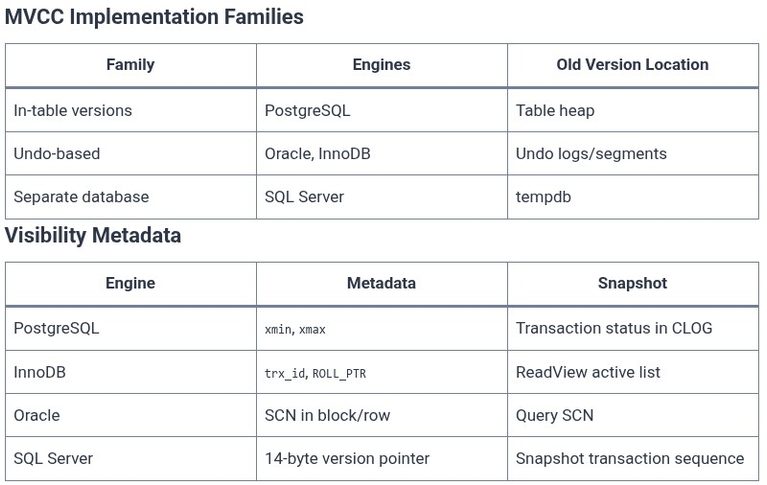
    Multi-Version Concurrency Control is the mechanism that lets a database serve readers and writers simultaneously without locking. A reader sees a consistent snapshot of the data as it existed when its query or transaction started, while a writer modifies the current version. The two never block each other because they are looking at different versions…

    Read More SQL 104 🛢️ Multi-Version Concurrency Control (MVCC) InternalsContinue

  • SQL 103 🛢️ Buffer Pool Management and Page Replacement Algorithms
    Programming | Languages & Runtimes | SQL

    SQL 103 🛢️ Buffer Pool Management and Page Replacement Algorithms

    ByKandZ October 18, 2026October 18, 2026

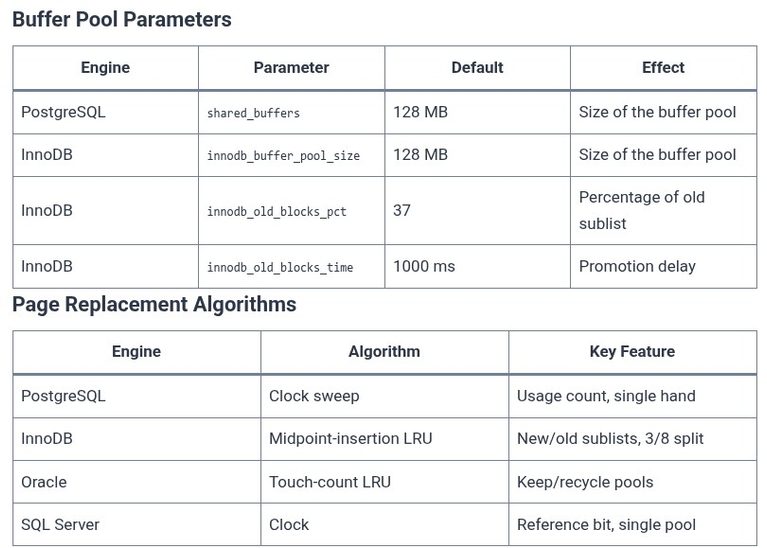
    The buffer pool is the database’s cache of disk pages in memory. Every query that reads a row, every index lookup, and every update touches a page in the buffer pool before it touches the disk. When the requested page is already in memory, the read is served without I/O. When it is not, the…

    Read More SQL 103 🛢️ Buffer Pool Management and Page Replacement AlgorithmsContinue

  • SQL 102 🛢️ Write-Ahead Logging (WAL) and Redo/Undo Logs
    Programming | Languages & Runtimes | SQL

    SQL 102 🛢️ Write-Ahead Logging (WAL) and Redo/Undo Logs

    ByKandZ October 18, 2026October 18, 2026

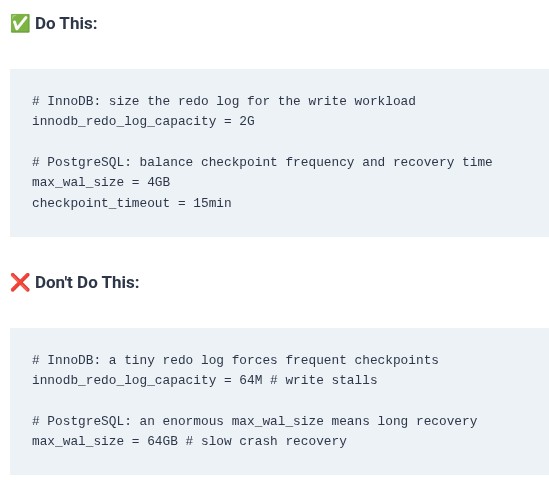
    Every relational database that claims ACID compliance has to solve the same problem: how do you guarantee that a committed transaction survives a crash, and how do you undo a transaction that was interrupted mid-flight? The answer, across every major engine, is the same: write the change to a log before you write it to…

    Read More SQL 102 🛢️ Write-Ahead Logging (WAL) and Redo/Undo LogsContinue

  • SQL 101 🛢️ Storage Engines Architecture and Page Layouts
    Programming | Languages & Runtimes | SQL

    SQL 101 🛢️ Storage Engines Architecture and Page Layouts

    ByKandZ October 18, 2026October 18, 2026

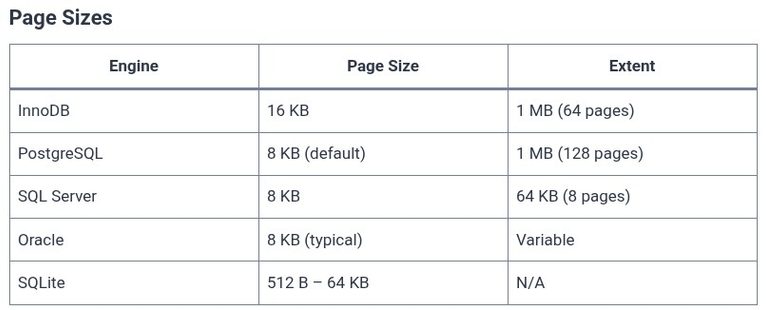
    The storage engine is the component of a database that decides how data is physically written to disk, how it is read back, and how concurrent access is managed. The query planner and the SQL parser sit above it; the operating system and the disk sit below it. When you run SELECT * FROM users…

    Read More SQL 101 🛢️ Storage Engines Architecture and Page LayoutsContinue

  • REST API 10 🌐 Standardized Error Formats (RFC 7807 Problem Details)
    Servers & Self-Hosting | Networking & DNS | REST API

    REST API 10 🌐 Standardized Error Formats (RFC 7807 Problem Details)

    ByKandZ October 18, 2026October 18, 2026

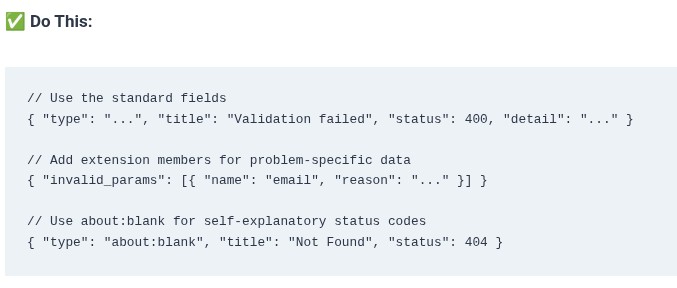
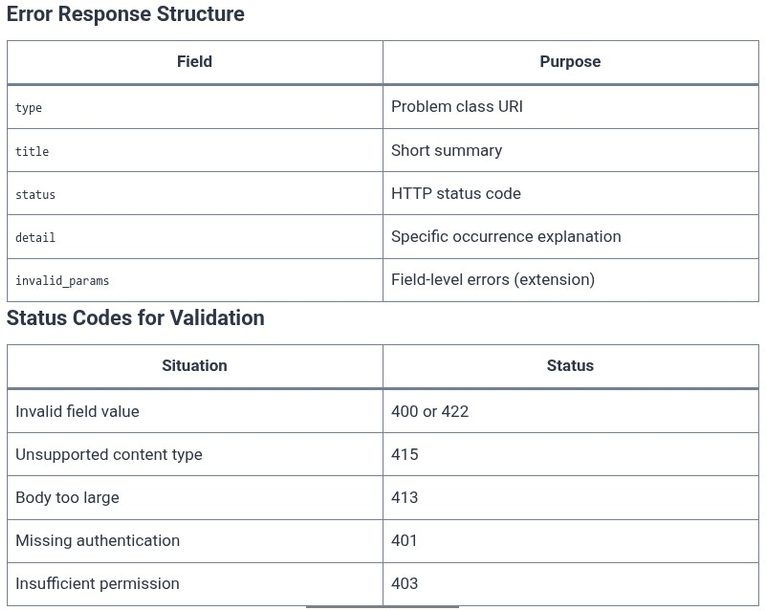
    An API’s error format is not an afterthought. It is the interface that every client integrates against, and an inconsistent error shape forces every client to write its own parser for every endpoint. RFC 7807, “Problem Details for HTTP APIs,” defines a standard JSON object for exactly this purpose: a machine-readable error body that any…

    Read More REST API 10 🌐 Standardized Error Formats (RFC 7807 Problem Details)Continue

  • REST API 09 🌐 Input Validation, Sanitization, and Error Handling
    Servers & Self-Hosting | Networking & DNS | REST API

    REST API 09 🌐 Input Validation, Sanitization, and Error Handling

    ByKandZ October 18, 2026October 18, 2026

    Every field in a request body, query string, or header is attacker-controlled until proven otherwise . Input validation is the first gate that rejects malformed data before it reaches business logic, the database, or the shell. Sanitization is a different operation that removes or transforms dangerous content within data that is otherwise allowed—and it is…

    Read More REST API 09 🌐 Input Validation, Sanitization, and Error HandlingContinue

Page navigation

Previous PagePrevious 1 … 64 65 66 67 68 … 261 Next PageNext
    Search