Skip to content

KandZ - Tuts

  • Operating Systems ▾
    • Linux ▾
      • Distros ▾
        • Fedora
        • Other Distros
        • Ubuntu
      • Gnome 48
      • KDE
      • LFCA - Linux Foundation Certified IT Associate
      • LFCS - Linux Foundation Certified Sysadmin
      • LFCE - Linux Foundation Certified Engineer (Sysadmin + Network Admin)
      • Linux CLI
      • Various
      • Bash Scripting
  • Paths ▾
    • Core Web Stack
    • React & Modern UI Stack
    • Linux Core
  • Programming ▾
    • Frontend (FED) ▾
      • React Ecosystem ▾
        • React
        • React Router
        • TanStack Router
        • TanStack Query (React Query)
        • Zustand
        • Redux Toolkit
      • Angular Ecosystem ▾
        • Angular
      • Vue Ecosystem ▾
        • Vue.js
      • Styling & UI Components ▾
        • Tailwind CSS
    • Languages & Runtimes ▾
      • CSS
      • Dart
      • HTML
      • JavaScript
      • Node.js
      • Rust
      • SQL
      • TypeScript
    • Tools & Build Systems ▾
      • Version Control ▾
        • GitHub
        • Git
        • GitLab
      • Package Managers ▾
        • npm
        • Bun
        • yarn
        • pnpm
      • DevOps & Containers ▾
        • Docker
  • Servers & Self-Hosting ▾
    • Internet ▾
      • Internet Backend - Coming Soon
      • Internet Beginner
      • Internet Frontend - Coming Soon
    • Networking & DNS ▾
      • REST API
  • Tools
  • Windows ▾
    • Windows 11
KandZ - Tuts
AngularBunCSSDartDockerGitGitHubGitLabHTMLJavaScriptNode.jsnpmpnpmReactReact RouterRedux ToolkitRustSQLTailwind CSSTanStack Query (React Query)TanStack RouterTypeScriptVue.jsyarnZustandBash ScriptingFedoraGnome 48KDELFCA - Linux Foundation Certified IT AssociateLFCE - Linux Foundation Certified Engineer (Sysadmin + Network Admin)LFCS - Linux Foundation Certified SysadminLinux CLIOther DistrosUbuntuVariousCore Web StackInternet Backend - Coming SoonInternet BeginnerInternet Frontend - Coming SoonLinux CoreReact & Modern UI StackREST APIToolsWindows 11
  • Vue.js 67 🟢 Cross-Platform Render Targets with Custom Renderers (createRenderer)
    Programming | Frontend (FED) | Vue.js

    Vue.js 67 🟢 Cross-Platform Render Targets with Custom Renderers (createRenderer)

    ByKandZ October 19, 2026October 19, 2026

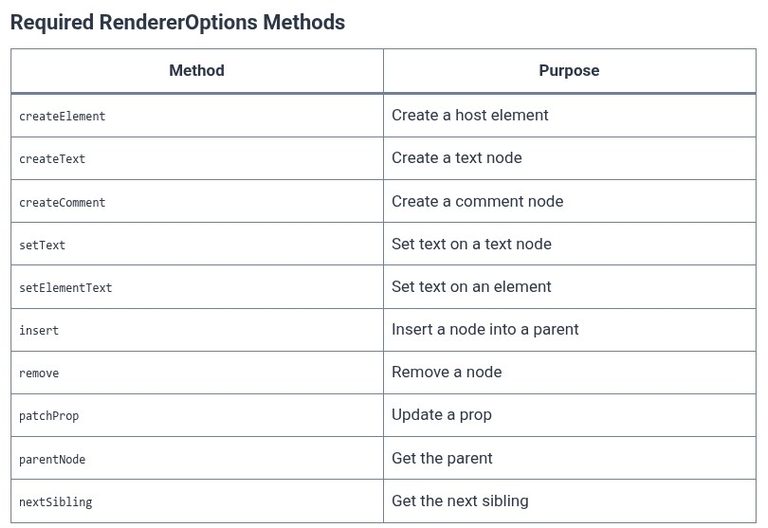
    Vue’s core runtime is platform-agnostic. The DOM-specific parts—document.createElement, element.setAttribute, element.appendChild—live in a separate package, @vue/runtime-dom, which is itself built on the same createRenderer API that is exposed to application developers . This means the component model, the reactivity system, the virtual DOM diffing, and the lifecycle hooks are not tied to the browser. They are…
    Read More Vue.js 67 🟢 Cross-Platform Render Targets with Custom Renderers (createRenderer)Continue

  • Vue.js 66 🟢 CSS Animation Classes, JavaScript Hooks, and Mode Configurations (in-out, out-in)
    Programming | Frontend (FED) | Vue.js

    Vue.js 66 🟢 CSS Animation Classes, JavaScript Hooks, and Mode Configurations (in-out, out-in)

    ByKandZ October 19, 2026October 19, 2026

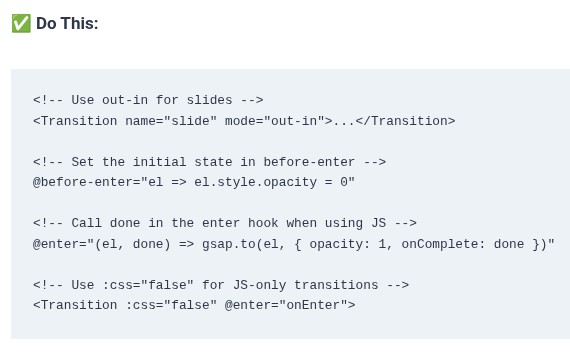
    Vue’s <Transition> component is a timing coordinator, not an animation library. It does not define how an element should fade, slide, or bounce—it defines when the classes or hooks that do those things are applied. The component wraps a single element or component, watches for its insertion or removal, and at precise moments adds and…

    Read More Vue.js 66 🟢 CSS Animation Classes, JavaScript Hooks, and Mode Configurations (in-out, out-in)Continue

  • Docker 80 🐳 Containerizing Node.js, Express, and Fastify Applications for Production
    Programming | Docker | Tools & Build Systems

    Docker 80 🐳 Containerizing Node.js, Express, and Fastify Applications for Production

    ByKandZ October 19, 2026October 19, 2026

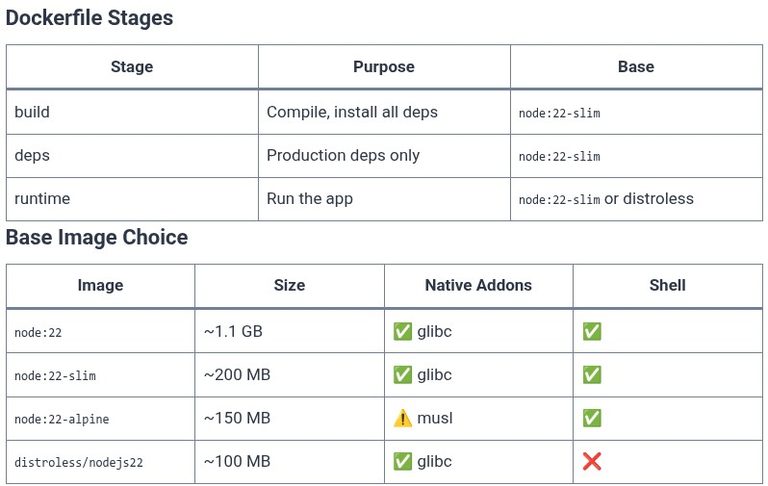
    A Node.js application containerized naively produces an image that is both enormous and insecure. A single-stage build with COPY . . followed by npm install bakes every devDependency—TypeScript, Jest, ESLint, Webpack—into the runtime image, along with the shell and package manager that an attacker can use after a breach. The official node:20 image is built…

    Read More Docker 80 🐳 Containerizing Node.js, Express, and Fastify Applications for ProductionContinue

  • Docker 79 🐳 Containerizing Web Servers and Reverse Proxies: Nginx, Caddy, and Traefik Dynamic Routing
    Programming | Docker | Tools & Build Systems

    Docker 79 🐳 Containerizing Web Servers and Reverse Proxies: Nginx, Caddy, and Traefik Dynamic Routing

    ByKandZ October 19, 2026October 19, 2026

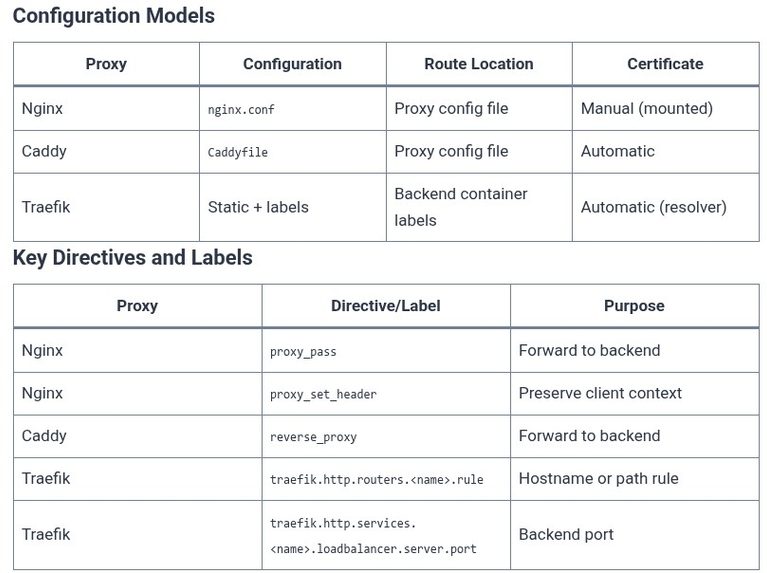
    A reverse proxy sits between the public internet and your application containers. It terminates TLS, routes requests by hostname or path, and forwards traffic to the appropriate backend. Containerizing it means the proxy itself becomes a service in the Compose stack, with its configuration mounted or baked into the image, and its lifecycle managed alongside…

    Read More Docker 79 🐳 Containerizing Web Servers and Reverse Proxies: Nginx, Caddy, and Traefik Dynamic RoutingContinue

  • Docker 78 🐳 Containerizing Database Engines: PostgreSQL, MySQL, Redis (Persisting Data & Performance)
    Programming | Docker | Tools & Build Systems

    Docker 78 🐳 Containerizing Database Engines: PostgreSQL, MySQL, Redis (Persisting Data & Performance)

    ByKandZ October 19, 2026October 19, 2026

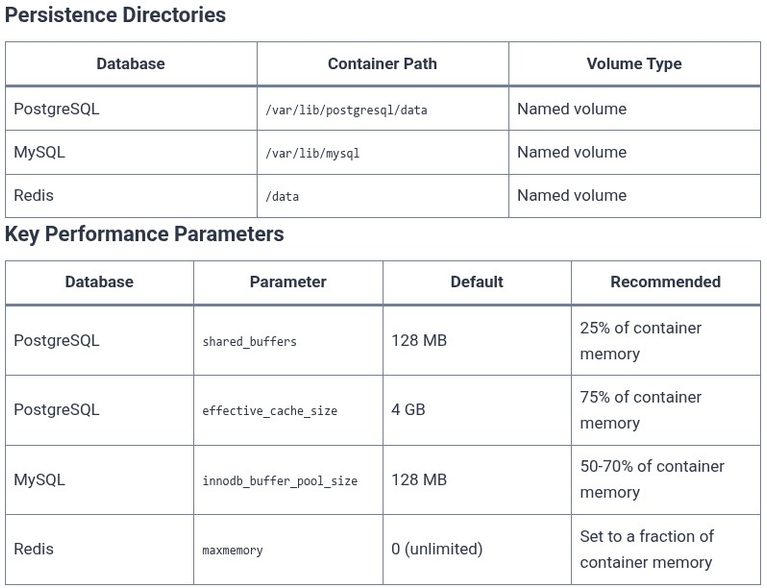
    A database container is not like a web server container. The web server is stateless—kill it, restart it, and it serves the same content. The database holds state, and the entire value of the containerization exercise depends on that state surviving. Docker’s default filesystem is ephemeral: when the container is removed, everything written inside it…

    Read More Docker 78 🐳 Containerizing Database Engines: PostgreSQL, MySQL, Redis (Persisting Data & Performance)Continue

  • Docker 77 🐳 Custom Docker CLI Plugins: Extending Docker Functionality with Custom Binaries
    Programming | Docker | Tools & Build Systems

    Docker 77 🐳 Custom Docker CLI Plugins: Extending Docker Functionality with Custom Binaries

    ByKandZ October 19, 2026October 19, 2026

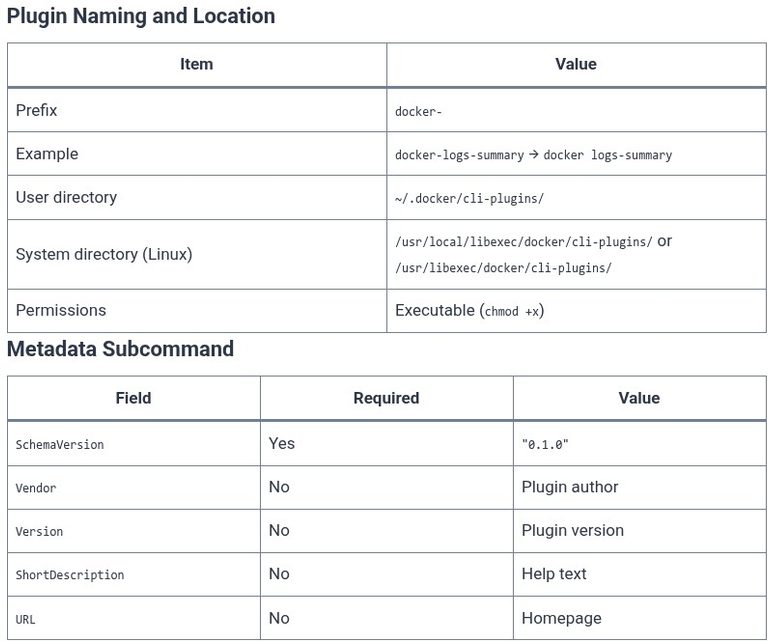
    Docker’s CLI plugin system is the modern, supported way to extend the docker command with new subcommands. Unlike the deprecated engine plugin system, which required registering a daemon-side plugin with a manifest and Unix socket, a CLI plugin is simply an executable binary that Docker discovers and invokes. The naming convention is the entire contract:…

    Read More Docker 77 🐳 Custom Docker CLI Plugins: Extending Docker Functionality with Custom BinariesContinue

  • Docker 76 🐳 Automating Docker Management using Python (docker-py) and Go SDK
    Programming | Docker | Tools & Build Systems

    Docker 76 🐳 Automating Docker Management using Python (docker-py) and Go SDK

    ByKandZ October 19, 2026October 19, 2026

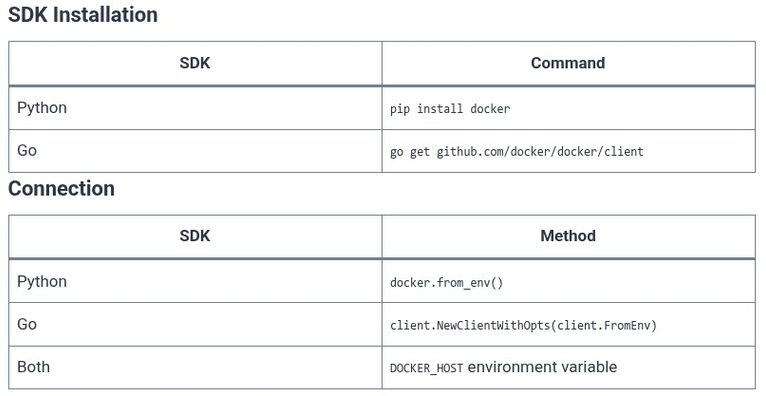
    Docker’s official SDKs exist because the Docker CLI is not the only way to talk to the daemon. The Docker Engine API is a RESTful HTTP interface, and the SDKs are language-specific clients that wrap it. The Python SDK (docker-py, installed as docker) and the Go SDK (github.com/docker/docker/client) are the two official options, and they…

    Read More Docker 76 🐳 Automating Docker Management using Python (docker-py) and Go SDKContinue

  • Free CSS Text Indent & Formatting Tool
    Tools

    Free CSS Text Indent & Formatting Tool

    ByKandZ October 19, 2026October 19, 2026

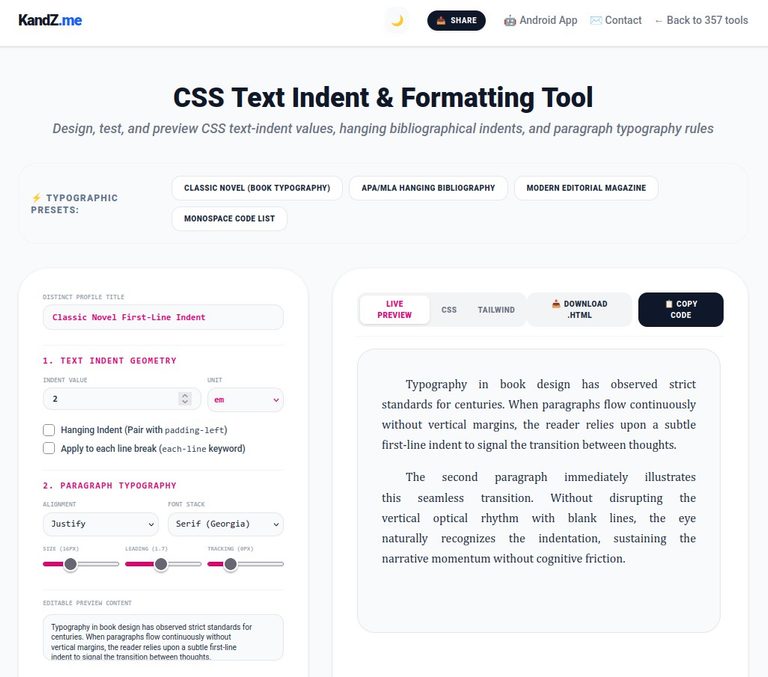
    Styling paragraphs with CSS text-indent is easy. Getting the hanging indents right is a nightmare. You guess the negative value. You guess the padding. You reload the browser fifty times trying to get the first line to line up. I built a free tool that solves this. What it does: Use cases: Privacy:100% client-side. Nothing…

    Read More Free CSS Text Indent & Formatting ToolContinue

  • Rust 80 🦀 Asynchronous Programming Concepts (Future Trait)
    Programming | Languages & Runtimes | Rust

    Rust 80 🦀 Asynchronous Programming Concepts (Future Trait)

    ByKandZ October 19, 2026October 19, 2026

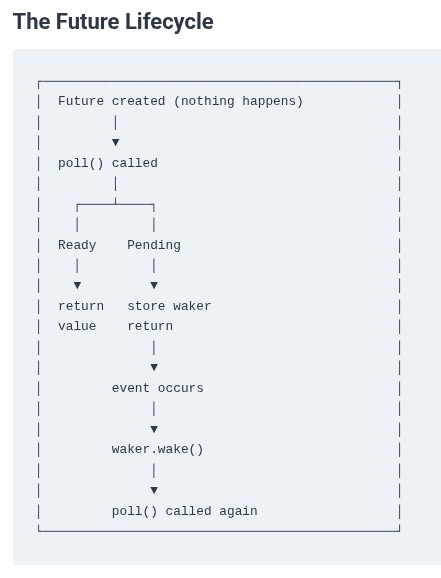
    Rust’s Future trait is the foundation of asynchronous programming, and its design is shaped by a single constraint that distinguishes it from every other language’s async model: futures in Rust are lazy and inert. Calling an async fn does nothing. The function returns a Future that must be actively polled to make progress . This…

    Read More Rust 80 🦀 Asynchronous Programming Concepts (Future Trait)Continue

  • Rust 79 🦀 Data Serialization and Deserialization (serde)
    Programming | Languages & Runtimes | Rust

    Rust 79 🦀 Data Serialization and Deserialization (serde)

    ByKandZ October 19, 2026October 19, 2026

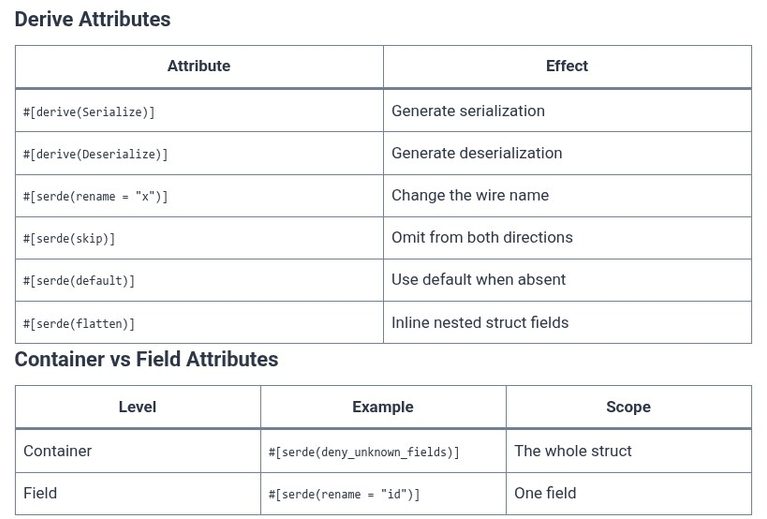
    Serde is the serialization framework that the Rust ecosystem standardized on, and its design is shaped by a constraint that most serialization libraries do not share: Rust has no runtime reflection. Serde does not inspect a type at runtime to discover its fields; it generates the serialization code at compile time through a derive macro,…

    Read More Rust 79 🦀 Data Serialization and Deserialization (serde)Continue

Page navigation

Previous PagePrevious 1 … 62 63 64 65 66 … 261 Next PageNext
    Search