Skip to content

KandZ - Tuts

  • Operating Systems ▾
    • Linux ▾
      • Distros ▾
        • Fedora
        • Other Distros
        • Ubuntu
      • Gnome 48
      • KDE
      • LFCA - Linux Foundation Certified IT Associate
      • LFCS - Linux Foundation Certified Sysadmin
      • LFCE - Linux Foundation Certified Engineer (Sysadmin + Network Admin)
      • Linux CLI
      • Various
      • Bash Scripting
  • Paths ▾
    • Core Web Stack
    • React & Modern UI Stack
    • Linux Core
  • Programming ▾
    • Frontend (FED) ▾
      • React Ecosystem ▾
        • React
        • React Router
        • TanStack Router
        • TanStack Query (React Query)
        • Zustand
        • Redux Toolkit
      • Angular Ecosystem ▾
        • Angular
      • Vue Ecosystem ▾
        • Vue.js
      • Styling & UI Components ▾
        • Tailwind CSS
    • Languages & Runtimes ▾
      • CSS
      • Dart
      • HTML
      • JavaScript
      • Node.js
      • Rust
      • SQL
      • TypeScript
    • Tools & Build Systems ▾
      • Version Control ▾
        • GitHub
        • Git
        • GitLab
      • Package Managers ▾
        • npm
        • Bun
        • yarn
        • pnpm
      • DevOps & Containers ▾
        • Docker
  • Servers & Self-Hosting ▾
    • Internet ▾
      • Internet Backend - Coming Soon
      • Internet Beginner
      • Internet Frontend - Coming Soon
    • Networking & DNS ▾
      • REST API
  • Tools
  • Windows ▾
    • Windows 11
KandZ - Tuts
AngularBunCSSDartDockerGitGitHubGitLabHTMLJavaScriptNode.jsnpmpnpmReactReact RouterRedux ToolkitRustSQLTailwind CSSTanStack Query (React Query)TanStack RouterTypeScriptVue.jsyarnZustandBash ScriptingFedoraGnome 48KDELFCA - Linux Foundation Certified IT AssociateLFCE - Linux Foundation Certified Engineer (Sysadmin + Network Admin)LFCS - Linux Foundation Certified SysadminLinux CLIOther DistrosUbuntuVariousCore Web StackInternet Backend - Coming SoonInternet BeginnerInternet Frontend - Coming SoonLinux CoreReact & Modern UI StackREST APIToolsWindows 11
  • LFCS 111 🐧 SSH Server — Configuration
    Linux | Operating Systems | LFCS - Linux Foundation Certified Sysadmin

    LFCS 111 🐧 SSH Server — Configuration

    ByKandZ October 29, 2026October 29, 2026

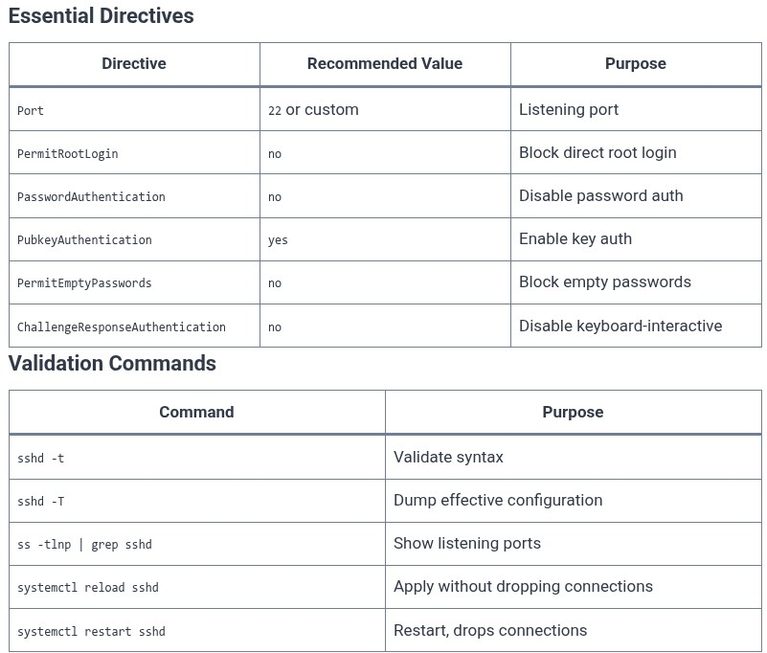
    The SSH server is the daemon that listens for incoming connections, authenticates users, and provides an encrypted channel for remote administration. On Linux, this is OpenSSH’s sshd. Its behavior is controlled by a single configuration file, /etc/ssh/sshd_config, and a set of drop-in files under /etc/ssh/sshd_config.d/ on modern distributions. The LFCS exam tests the ability to…
    Read More LFCS 111 🐧 SSH Server — ConfigurationContinue

  • Free JS String Concatenation Utility
    Tools

    Free JS String Concatenation Utility

    ByKandZ October 29, 2026October 29, 2026

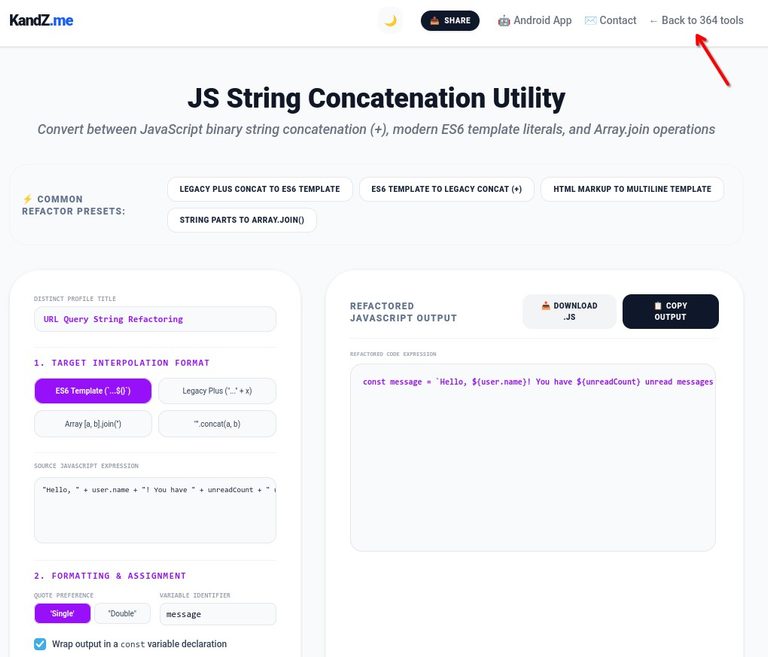
    Converting string concatenation to ES6 template literals by hand is tedious. You miss a backtick. You forget a dollar sign. You break the syntax and spend ten minutes debugging a simple string. I built a free tool that solves this. What it does: Use cases: Privacy:100% client-side. Nothing uploaded. Try it: tools.kandz.me/js-string-concatenation

    Read More Free JS String Concatenation UtilityContinue

  • GitLab 05 🦊 Creating, Reviewing, and Merging Merge Requests (MRs)
    Programming | Tools & Build Systems | Version Control | GitLab

    GitLab 05 🦊 Creating, Reviewing, and Merging Merge Requests (MRs)

    ByKandZ October 28, 2026October 28, 2026

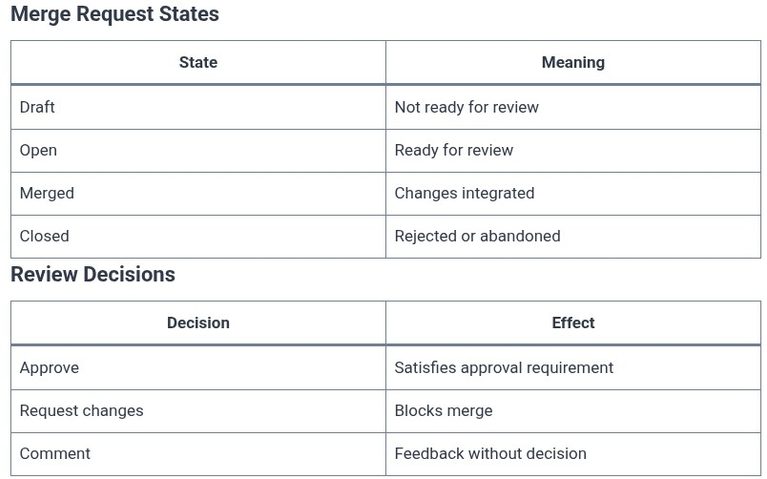
    A merge request in GitLab is the mechanism that turns a branch into a proposal. It is not a Git operation—Git has no concept of a merge request. It is a GitLab feature that wraps the branch in a review workflow: discussion, pipeline verification, and a merge gate. The exam tests the lifecycle: how the…

    Read More GitLab 05 🦊 Creating, Reviewing, and Merging Merge Requests (MRs)Continue

  • GitLab 04 🦊 Working with Repositories, Branches, and Protected Branches
    Programming | Tools & Build Systems | Version Control | GitLab

    GitLab 04 🦊 Working with Repositories, Branches, and Protected Branches

    ByKandZ October 28, 2026October 28, 2026

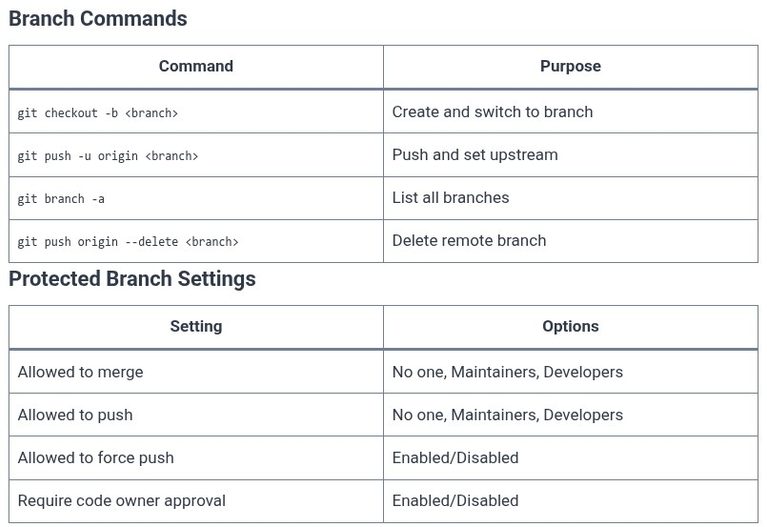
    A repository in GitLab is more than a Git directory. It is a project with a default branch, a set of permissions inherited from the namespace hierarchy, and a set of protected branches that enforce who can push and who can merge. The Git commands are the same as anywhere else—git clone, git checkout -b,…

    Read More GitLab 04 🦊 Working with Repositories, Branches, and Protected BranchesContinue

  • GitLab 03 🦊 Managing SSH Keys and Personal Access Tokens (PATs)
    Programming | Tools & Build Systems | Version Control | GitLab

    GitLab 03 🦊 Managing SSH Keys and Personal Access Tokens (PATs)

    ByKandZ October 28, 2026October 28, 2026

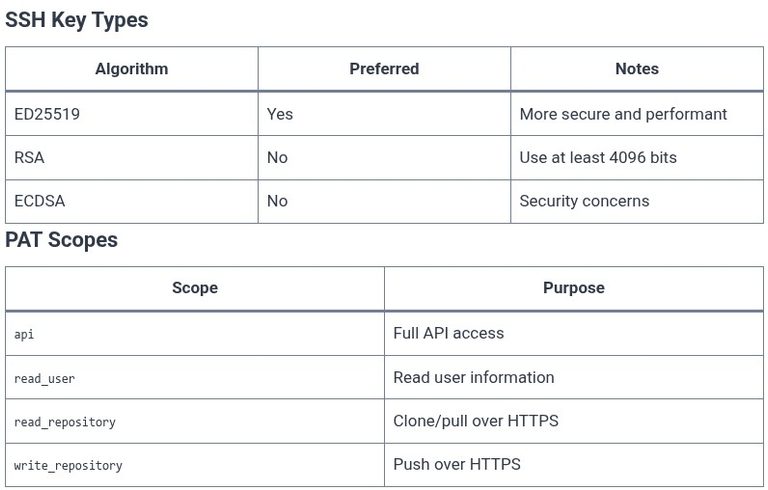
    GitLab supports two primary methods for authenticating Git operations and API requests: SSH keys and Personal Access Tokens (PATs). SSH keys are the preferred method for Git operations because they provide a secure, passwordless workflow after the initial setup. PATs are the mechanism for authenticating against the GitLab API, and they serve as the password…

    Read More GitLab 03 🦊 Managing SSH Keys and Personal Access Tokens (PATs)Continue

  • GitLab 02 🦊 Setting Up Projects, Groups, and Subgroup Hierarchy
    Programming | Tools & Build Systems | Version Control | GitLab

    GitLab 02 🦊 Setting Up Projects, Groups, and Subgroup Hierarchy

    ByKandZ October 28, 2026October 28, 2026

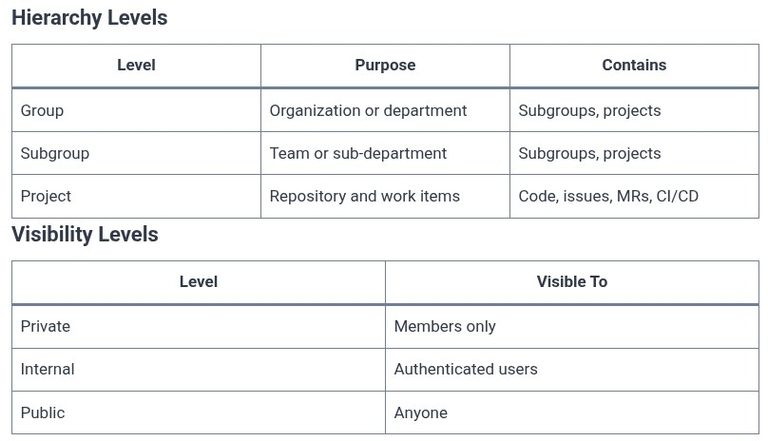
    GitLab organizes work through a three-tier namespace hierarchy: groups, subgroups, and projects. A project contains the repository, issues, merge requests, and CI/CD pipelines. A group is a container for projects and other groups. A subgroup is a group nested inside another group. The hierarchy is not cosmetic—it determines how permissions inherit, how visibility is enforced,…

    Read More GitLab 02 🦊 Setting Up Projects, Groups, and Subgroup HierarchyContinue

  • GitLab 01 🦊 Introduction to GitLab and the DevSecOps Platform
    Programming | Tools & Build Systems | Version Control | GitLab

    GitLab 01 🦊 Introduction to GitLab and the DevSecOps Platform

    ByKandZ October 28, 2026October 28, 2026

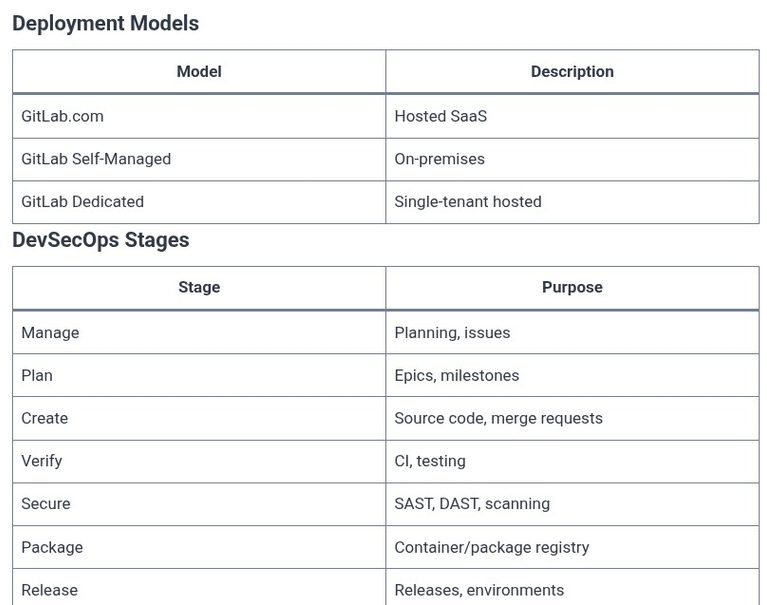
    GitLab began as an open-source project in 2011, started by a single commit with the goal of improving collaboration among team members . Over a decade later, it has evolved into an intelligent orchestration platform that brings development, security, and operations together into a single application . The core premise is simple but ambitious: instead…

    Read More GitLab 01 🦊 Introduction to GitLab and the DevSecOps PlatformContinue

  • Bun 10 ⚡ File System Operations and Streams with Bun’s Native APIs
    Programming | Tools & Build Systems | Bun | Package Managers

    Bun 10 ⚡ File System Operations and Streams with Bun’s Native APIs

    ByKandZ October 28, 2026October 28, 2026

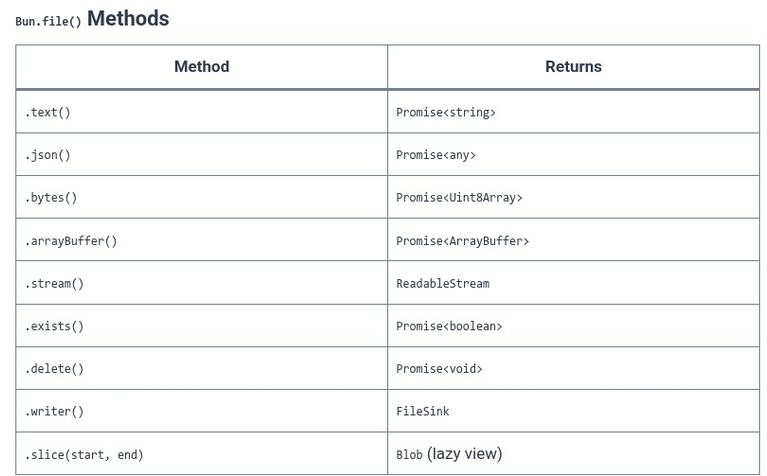
    Bun’s file system layer is not a wrapper around Node’s fs module. It is a set of native APIs—Bun.file() and Bun.write()—implemented in Zig and optimized for the runtime’s event loop. The BunFile object is a lazy reference: creating it does not read the file from disk. The data is loaded only when a method is…

    Read More Bun 10 ⚡ File System Operations and Streams with Bun’s Native APIsContinue

  • Bun 09 ⚡ Building Fast HTTP Servers with Bun.serve()
    Programming | Tools & Build Systems | Bun | Package Managers

    Bun 09 ⚡ Building Fast HTTP Servers with Bun.serve()

    ByKandZ October 28, 2026October 28, 2026

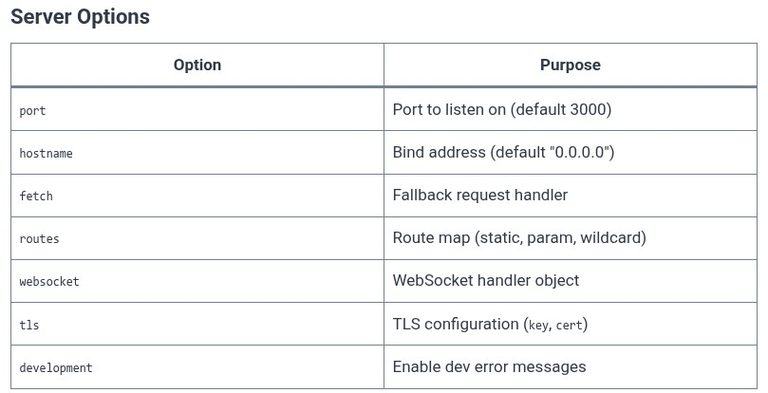
    The Bun.serve() API is the runtime’s built-in HTTP server. It is not a wrapper around Node’s http module, nor does it require an external framework like Express or Fastify. The server is powered by a fork of uWebSockets, written in C++ and Zig, and exposed through a JavaScript API that uses the standard Request and…

    Read More Bun 09 ⚡ Building Fast HTTP Servers with Bun.serve()Continue

  • Bun 08 ⚡ Bun’s Built-in SQLite Database API (bun:sqlite)
    Programming | Tools & Build Systems | Bun | Package Managers

    Bun 08 ⚡ Bun’s Built-in SQLite Database API (bun:sqlite)

    ByKandZ October 28, 2026October 28, 2026

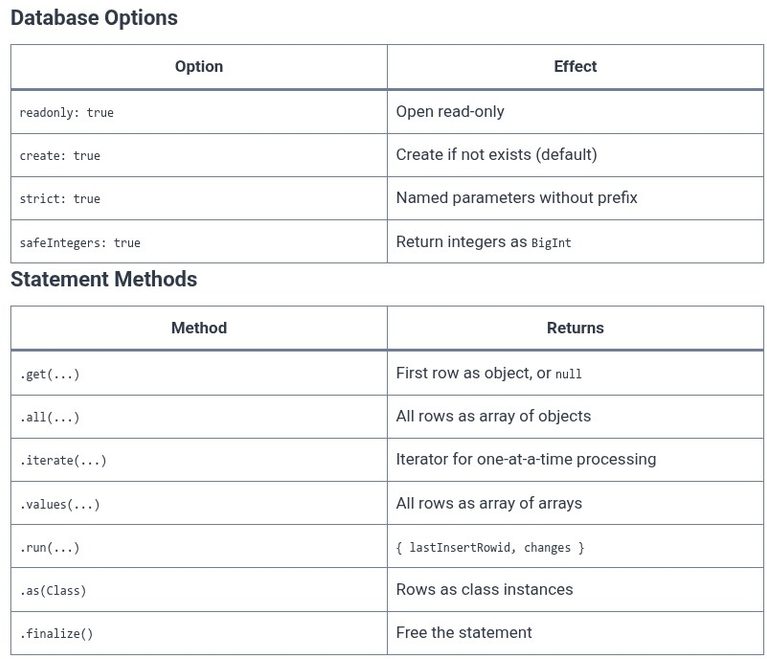
    Bun ships with a native SQLite driver, and it is not a JavaScript wrapper around a WebAssembly module or a binding to a system library. The bun:sqlite module is implemented in Zig and linked directly into the runtime. This means there is no npm install sqlite3, no better-sqlite3 compilation step, and no native module incompatibility…

    Read More Bun 08 ⚡ Bun’s Built-in SQLite Database API (bun:sqlite)Continue

Page navigation

Previous PagePrevious 1 … 18 19 20 21 22 … 256 Next PageNext
    Search