Skip to content

KandZ - Tuts

  • Operating Systems ▾
    • Linux ▾
      • Distros ▾
        • Fedora
        • Other Distros
        • Ubuntu
      • Gnome 48
      • KDE
      • LFCA - Linux Foundation Certified IT Associate
      • LFCS - Linux Foundation Certified Sysadmin
      • LFCE - Linux Foundation Certified Engineer (Sysadmin + Network Admin)
      • Linux CLI
      • Various
      • Bash Scripting
  • Paths ▾
    • Core Web Stack
    • React & Modern UI Stack
    • Linux Core
  • Programming ▾
    • Frontend (FED) ▾
      • React Ecosystem ▾
        • React
        • React Router
        • TanStack Router
        • TanStack Query (React Query)
        • Zustand
        • Redux Toolkit
      • Angular Ecosystem ▾
        • Angular
      • Vue Ecosystem ▾
        • Vue.js
      • Styling & UI Components ▾
        • Tailwind CSS
    • Languages & Runtimes ▾
      • CSS
      • Dart
      • HTML
      • JavaScript
      • Node.js
      • Rust
      • SQL
      • TypeScript
    • Tools & Build Systems ▾
      • Version Control ▾
        • GitHub
        • Git
        • GitLab
      • Package Managers ▾
        • npm
        • Bun
        • yarn
        • pnpm
      • DevOps & Containers ▾
        • Docker
  • Servers & Self-Hosting ▾
    • Internet ▾
      • Internet Backend - Coming Soon
      • Internet Beginner
      • Internet Frontend - Coming Soon
    • Networking & DNS ▾
      • REST API
  • Tools
  • Windows ▾
    • Windows 11
KandZ - Tuts
AngularBunCSSDartDockerGitGitHubGitLabHTMLJavaScriptNode.jsnpmpnpmReactReact RouterRedux ToolkitRustSQLTailwind CSSTanStack Query (React Query)TanStack RouterTypeScriptVue.jsyarnZustandBash ScriptingFedoraGnome 48KDELFCA - Linux Foundation Certified IT AssociateLFCE - Linux Foundation Certified Engineer (Sysadmin + Network Admin)LFCS - Linux Foundation Certified SysadminLinux CLIOther DistrosUbuntuVariousCore Web StackInternet Backend - Coming SoonInternet BeginnerInternet Frontend - Coming SoonLinux CoreReact & Modern UI StackREST APIToolsWindows 11
  • GitLab 11 🦊 Caching and Artifacts: Passing Data Between Pipeline Jobs
    Programming | Tools & Build Systems | Version Control | GitLab

    GitLab 11 🦊 Caching and Artifacts: Passing Data Between Pipeline Jobs

    ByKandZ October 29, 2026October 29, 2026

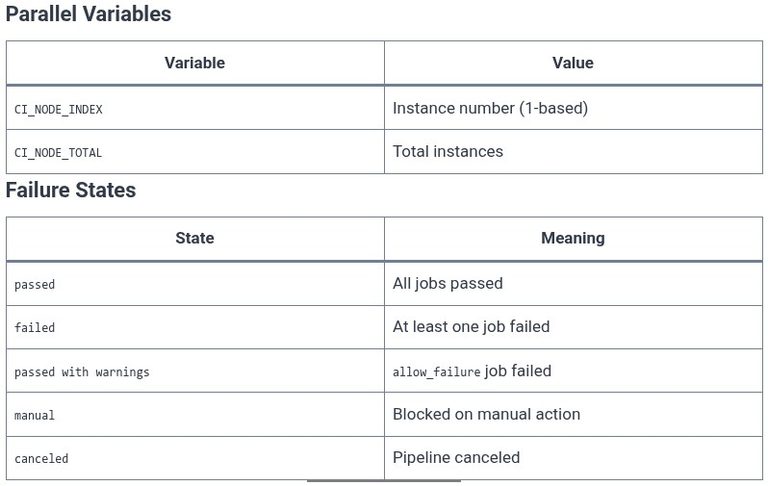
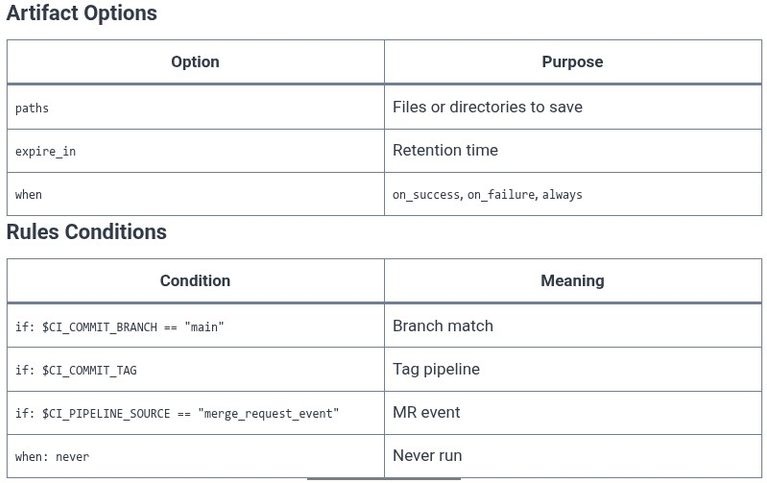
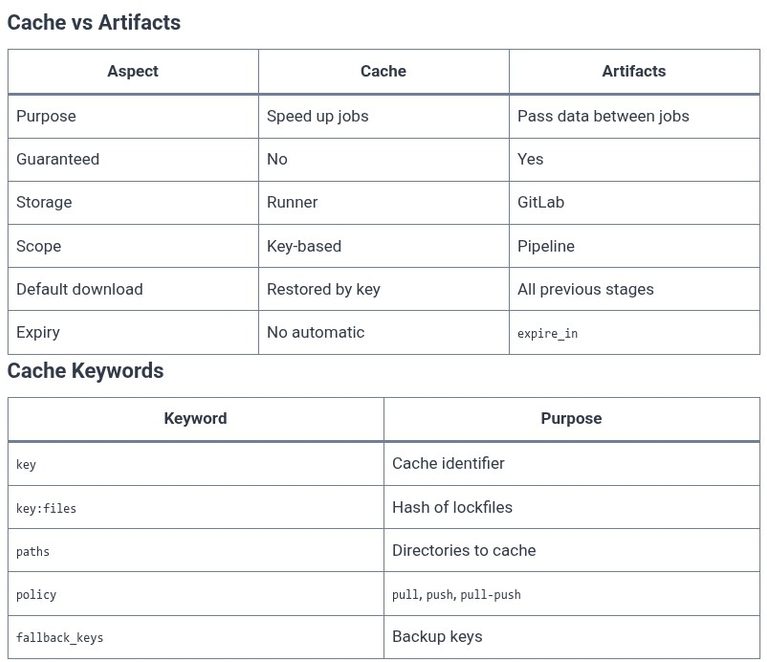
    A GitLab pipeline is a sequence of isolated jobs. Each job runs in a fresh environment, often on a different runner, with a clean checkout of the repository. Files created in one job are not visible to another job unless they are explicitly passed. GitLab provides two mechanisms for this: cache and artifacts. They look…
    Read More GitLab 11 🦊 Caching and Artifacts: Passing Data Between Pipeline JobsContinue

  • LFCS 120 🐧 Shell Scripting — Your First Script
    Linux | Operating Systems | LFCS - Linux Foundation Certified Sysadmin

    LFCS 120 🐧 Shell Scripting — Your First Script

    ByKandZ October 29, 2026October 29, 2026

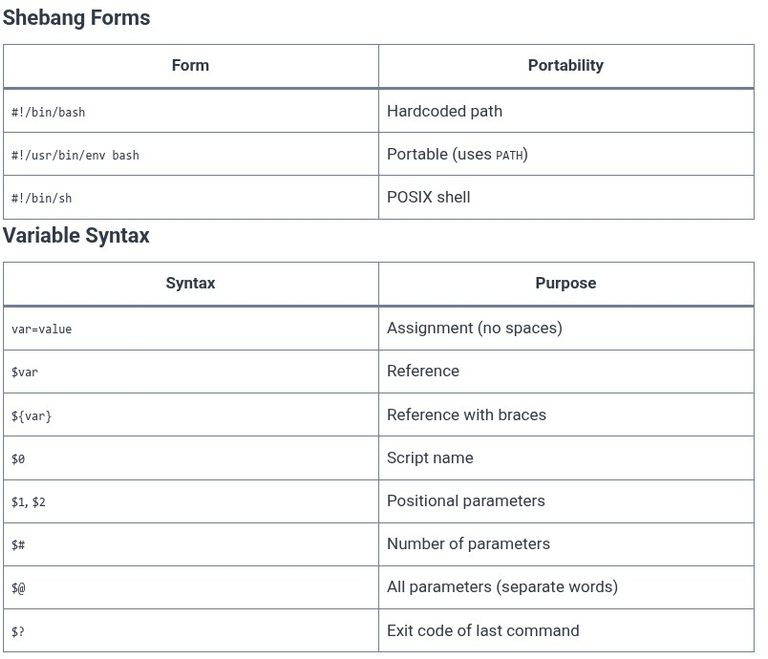
    A shell script is a text file containing a sequence of commands that the shell executes as if they had been typed at the prompt. It is not a compiled program, it does not require a build step, and it runs on any system with the shell that interprets it. The LFCS exam tests the…

    Read More LFCS 120 🐧 Shell Scripting — Your First ScriptContinue

  • LFCS 119 🐧 Remote Sync — rsync Advanced
    Linux | Operating Systems | LFCS - Linux Foundation Certified Sysadmin

    LFCS 119 🐧 Remote Sync — rsync Advanced

    ByKandZ October 29, 2026October 29, 2026

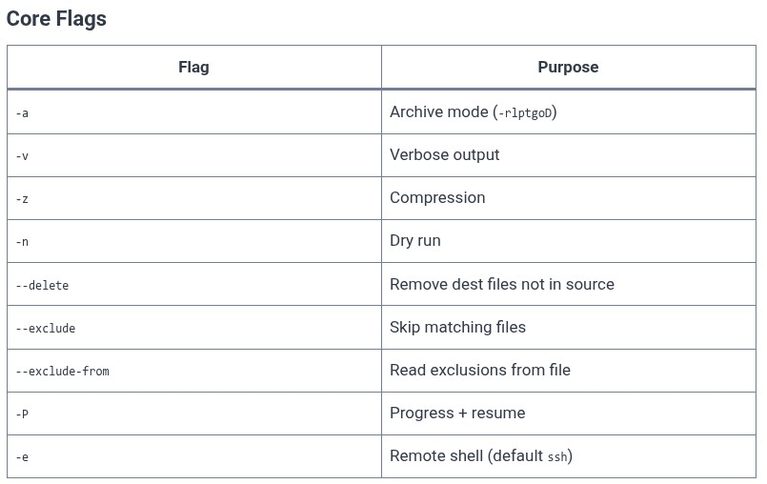
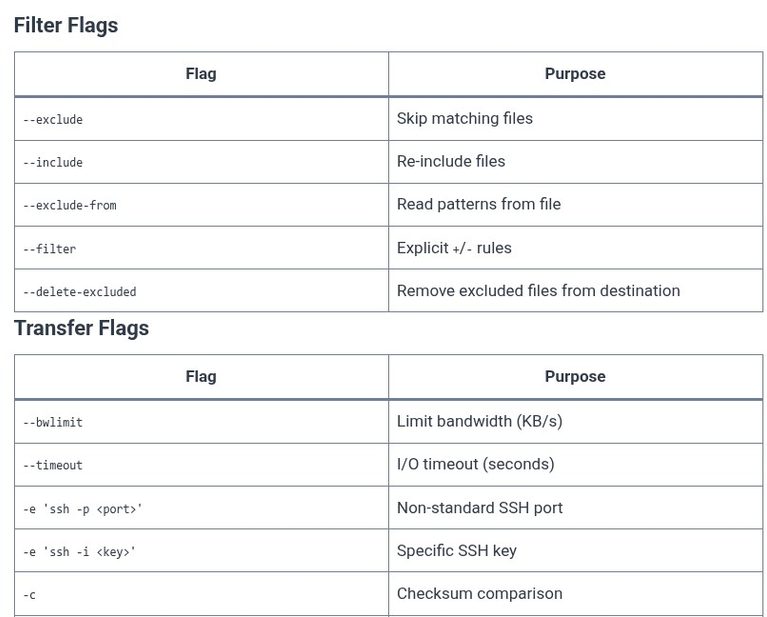
    The basic rsync command handles the common case: copy a directory, mirror a destination, transfer over SSH. The advanced features handle the cases that the basic command cannot express: excluding files by pattern, limiting bandwidth, synchronizing over a non-standard port, preserving hard links and extended attributes, and resuming interrupted transfers without retransmitting the entire file….

    Read More LFCS 119 🐧 Remote Sync — rsync AdvancedContinue

  • LFCS 118 🐧 Remote Sync — rsync Basics
    Linux | Operating Systems | LFCS - Linux Foundation Certified Sysadmin

    LFCS 118 🐧 Remote Sync — rsync Basics

    ByKandZ October 29, 2026October 29, 2026

    The rsync command is the standard tool for synchronizing files between two locations, local or remote. It is not a simple copy tool. It compares the source and destination, transfers only the differences, and can preserve permissions, timestamps, and symbolic links. The LFCS exam tests the basic syntax, the archive flag, the trailing slash rule,…

    Read More LFCS 118 🐧 Remote Sync — rsync BasicsContinue

  • LFCS 117 🐧 Remote Transfer — sftp
    Linux | Operating Systems | LFCS - Linux Foundation Certified Sysadmin

    LFCS 117 🐧 Remote Transfer — sftp

    ByKandZ October 29, 2026October 29, 2026

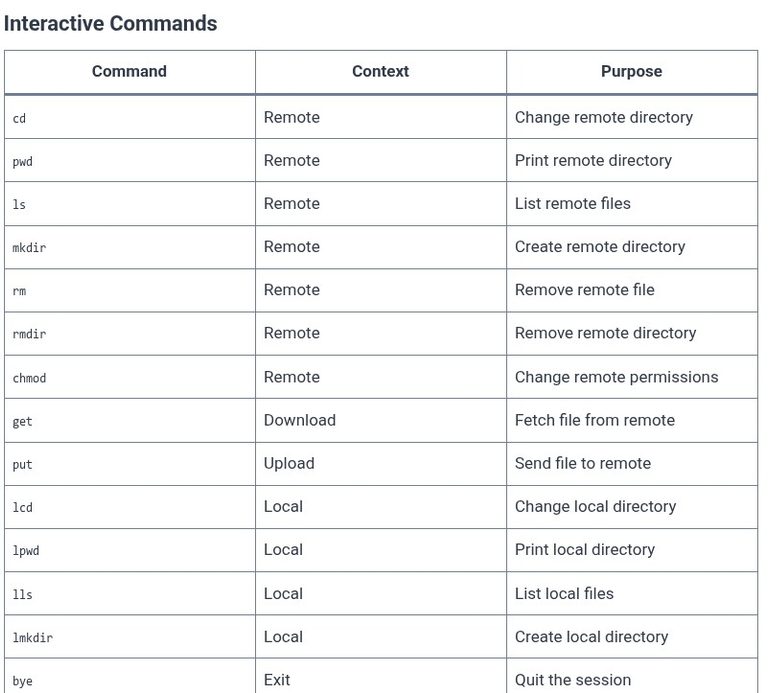
    The sftp command is the interactive file transfer client in the OpenSSH suite. It establishes an encrypted connection to a remote host and provides a command interface similar to the legacy ftp client. The LFCS exam tests the distinction between local and remote commands, the syntax for uploading and downloading files, and the batch mode…

    Read More LFCS 117 🐧 Remote Transfer — sftpContinue

  • LFCS 116 🐧 Remote Transfer — scp
    Linux | Operating Systems | LFCS - Linux Foundation Certified Sysadmin

    LFCS 116 🐧 Remote Transfer — scp

    ByKandZ October 29, 2026October 29, 2026

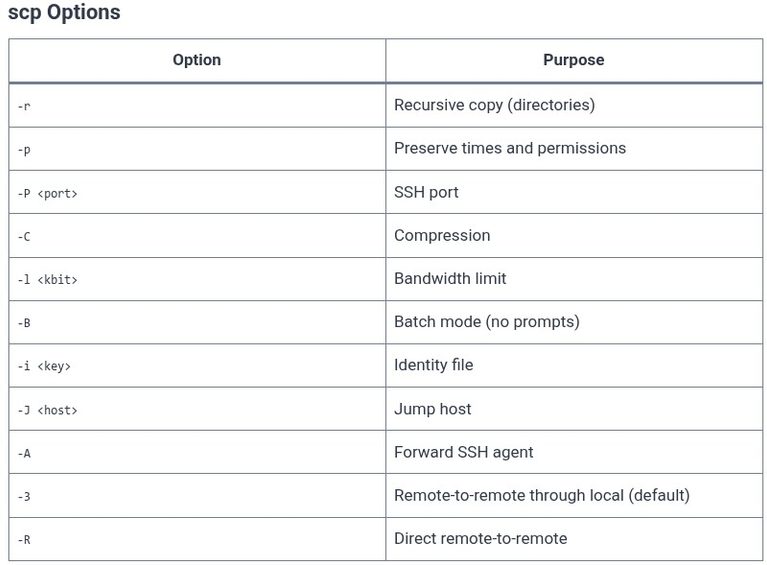
    The scp command copies files between hosts over an SSH connection. It is one of the oldest tools in the OpenSSH suite, and its implementation has changed significantly in recent years. Since OpenSSH 9.0, scp uses the SFTP protocol by default, not the legacy SCP protocol that shared its name. This means the transfer is…

    Read More LFCS 116 🐧 Remote Transfer — scpContinue

  • GitLab 10 🦊 Stages, Jobs, and Execution Flow in GitLab CI/CD
    Programming | Tools & Build Systems | Version Control | GitLab

    GitLab 10 🦊 Stages, Jobs, and Execution Flow in GitLab CI/CD

    ByKandZ October 29, 2026October 29, 2026

    The previous chapter covered the syntax of the .gitlab-ci.yml file. This chapter focuses on the execution model: how GitLab translates the YAML into a pipeline, how the runner picks up jobs, and how the stages, jobs, and needs relationships produce the final execution graph. The exam tests the difference between a stage-bound pipeline and a…

    Read More GitLab 10 🦊 Stages, Jobs, and Execution Flow in GitLab CI/CDContinue

  • GitLab 09 🦊 Writing Your First .gitlab-ci.yml Pipeline Configuration
    Programming | Tools & Build Systems | Version Control | GitLab

    GitLab 09 🦊 Writing Your First .gitlab-ci.yml Pipeline Configuration

    ByKandZ October 29, 2026October 29, 2026

    The previous chapter explained the architecture: stages, jobs, runners, and the needs keyword. This chapter builds the actual .gitlab-ci.yml file, line by line. The file is the single source of truth for the pipeline. It lives at the repository root, it is YAML, and it is parsed before any job runs. A syntax error prevents…

    Read More GitLab 09 🦊 Writing Your First .gitlab-ci.yml Pipeline ConfigurationContinue

  • GitLab 08 🦊 Introduction to GitLab CI/CD and Pipeline Architecture
    Programming | Tools & Build Systems | Version Control | GitLab

    GitLab 08 🦊 Introduction to GitLab CI/CD and Pipeline Architecture

    ByKandZ October 29, 2026October 29, 2026

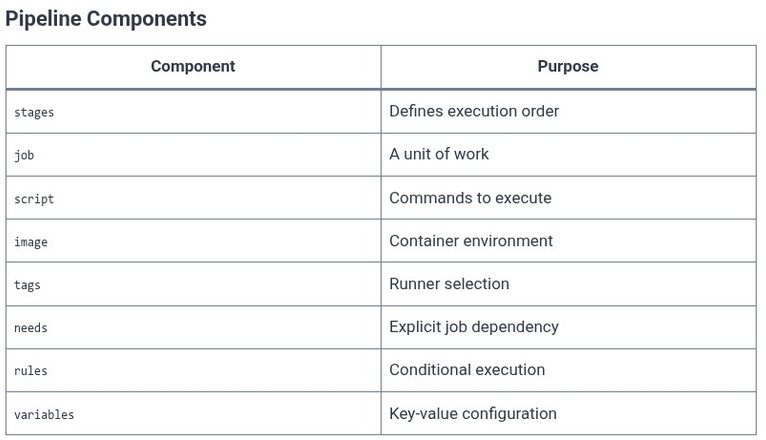
    A pipeline is the engine of GitLab’s DevSecOps platform. It is not a single script; it is a directed acyclic graph of jobs, organized into stages, executed by runners, and triggered by events. The .gitlab-ci.yml file is the definition, but the architecture—the relationship between stages, jobs, and dependencies—determines whether the pipeline is a linear sequence…

    Read More GitLab 08 🦊 Introduction to GitLab CI/CD and Pipeline ArchitectureContinue

  • GitLab 07 🦊 Issue Tracking, Epics, Milestones, and Kanban Boards
    Programming | Tools & Build Systems | Version Control | GitLab

    GitLab 07 🦊 Issue Tracking, Epics, Milestones, and Kanban Boards

    ByKandZ October 29, 2026October 29, 2026

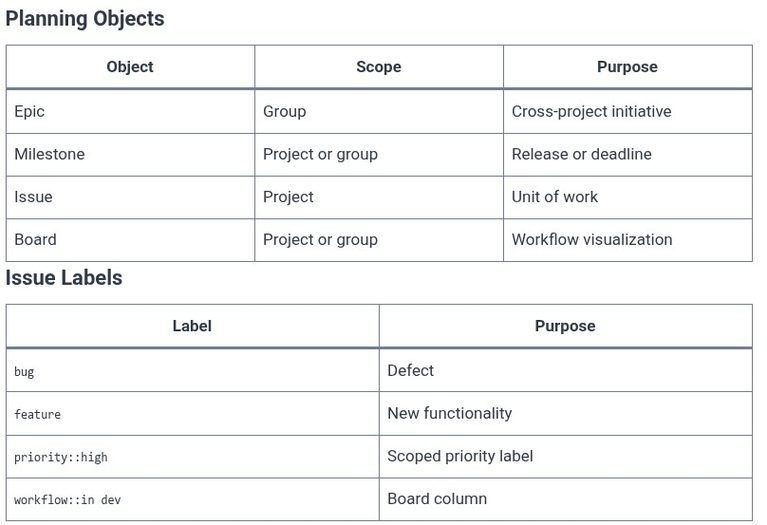
    GitLab’s planning tools are hierarchical. An epic groups related issues across projects and time. A milestone groups issues by a deadline or release. An issue is the unit of work. A board is a view of the issues, organized by their status in a workflow. The exam tests this hierarchy and the specific mechanics that…

    Read More GitLab 07 🦊 Issue Tracking, Epics, Milestones, and Kanban BoardsContinue

Page navigation

Previous PagePrevious 1 … 16 17 18 19 20 … 256 Next PageNext
    Search