Skip to content

KandZ - Tuts

  • Operating Systems ▾
    • Linux ▾
      • Distros ▾
        • Fedora
        • Other Distros
        • Ubuntu
      • Gnome 48
      • KDE
      • LFCA - Linux Foundation Certified IT Associate
      • LFCS - Linux Foundation Certified Sysadmin
      • LFCE - Linux Foundation Certified Engineer (Sysadmin + Network Admin)
      • Linux CLI
      • Various
      • Bash Scripting
  • Paths ▾
    • Core Web Stack
    • React & Modern UI Stack
    • Linux Core
  • Programming ▾
    • Frontend (FED) ▾
      • React Ecosystem ▾
        • React
        • React Router
        • TanStack Router
        • TanStack Query (React Query)
        • Zustand
        • Redux Toolkit
      • Angular Ecosystem ▾
        • Angular
      • Vue Ecosystem ▾
        • Vue.js
      • Styling & UI Components ▾
        • Tailwind CSS
    • Languages & Runtimes ▾
      • CSS
      • Dart
      • HTML
      • JavaScript
      • Node.js
      • Rust
      • SQL
      • TypeScript
    • Tools & Build Systems ▾
      • Version Control ▾
        • GitHub
        • Git
        • GitLab
      • Package Managers ▾
        • npm
        • Bun
        • yarn
        • pnpm
      • DevOps & Containers ▾
        • Docker
  • Servers & Self-Hosting ▾
    • Internet ▾
      • Internet Backend - Coming Soon
      • Internet Beginner
      • Internet Frontend - Coming Soon
    • Networking & DNS ▾
      • REST API
  • Tools
  • Windows ▾
    • Windows 11
KandZ - Tuts
AngularBunCSSDartDockerGitGitHubGitLabHTMLJavaScriptNode.jsnpmpnpmReactReact RouterRedux ToolkitRustSQLTailwind CSSTanStack Query (React Query)TanStack RouterTypeScriptVue.jsyarnZustandBash ScriptingFedoraGnome 48KDELFCA - Linux Foundation Certified IT AssociateLFCE - Linux Foundation Certified Engineer (Sysadmin + Network Admin)LFCS - Linux Foundation Certified SysadminLinux CLIOther DistrosUbuntuVariousCore Web StackInternet Backend - Coming SoonInternet BeginnerInternet Frontend - Coming SoonLinux CoreReact & Modern UI StackREST APIToolsWindows 11
  • GitLab 06 🦊 Resolving Merge Conflicts and Handling Code Reviews
    Programming | Tools & Build Systems | Version Control | GitLab

    GitLab 06 🦊 Resolving Merge Conflicts and Handling Code Reviews

    ByKandZ October 29, 2026October 29, 2026

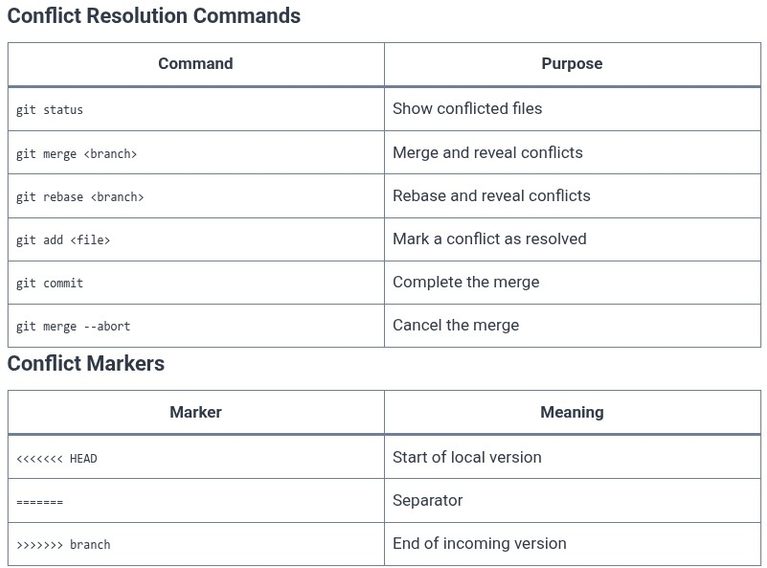
    A merge conflict is not an error. It is a signal that two branches changed the same lines of the same file, and Git cannot decide which change to keep. The resolution is a human decision, made in the Git working tree, and then committed to the source branch. GitLab’s interface surfaces the conflict, offers…
    Read More GitLab 06 🦊 Resolving Merge Conflicts and Handling Code ReviewsContinue

  • Bun 15 ⚡ Cheat Sheet
    Programming | Tools & Build Systems | Bun | Package Managers

    Bun 15 ⚡ Cheat Sheet

    ByKandZ October 29, 2026October 29, 2026

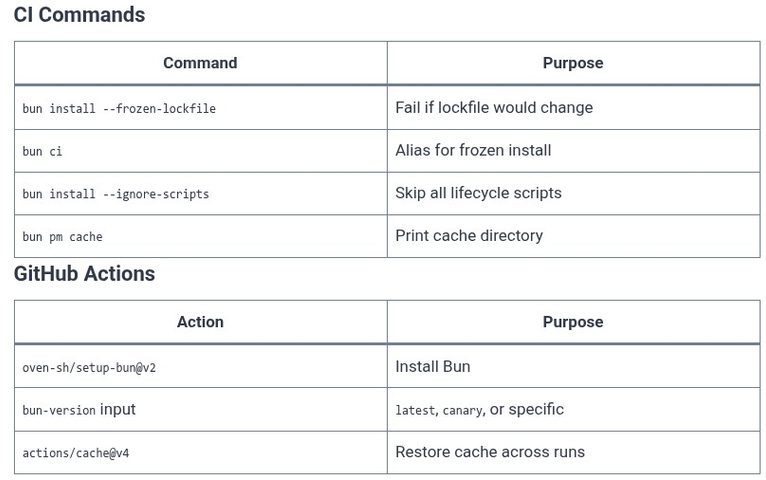
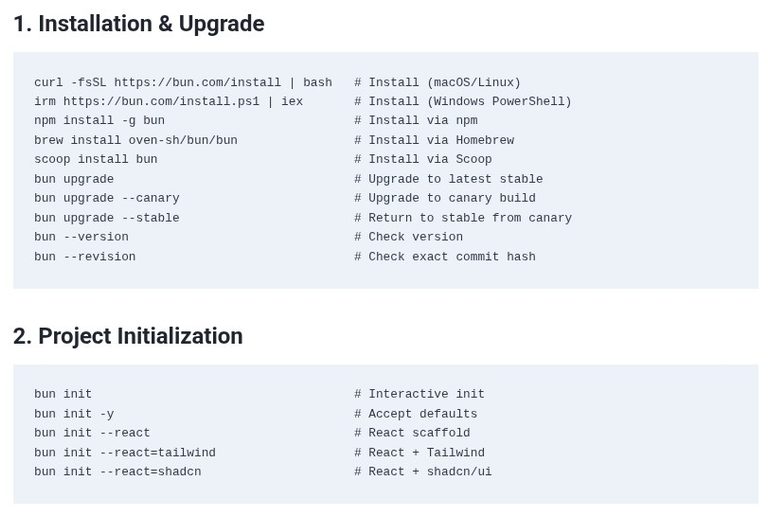
    1. Installation & Upgrade 2. Project Initialization 3. Dependency Management 4. Lockfile & CI Installs 5. Scripts & Binaries 6. Running TypeScript & JSX 7. Bun APIs (bun:sqlite, Bun.serve) 8. File System (Bun.file, Bun.write) 9. Test Runner (bun:test) 10. Bundling (bun build) 11. CI/CD (GitHub Actions) 12. Trusted Dependencies (Lifecycle Scripts) 13. Migration from Node.js…

    Read More Bun 15 ⚡ Cheat SheetContinue

  • Bun 14 ⚡ Migrating Existing Node.js, Express, or Next.js Projects to Bun
    Programming | Tools & Build Systems | Bun | Package Managers

    Bun 14 ⚡ Migrating Existing Node.js, Express, or Next.js Projects to Bun

    ByKandZ October 29, 2026October 29, 2026

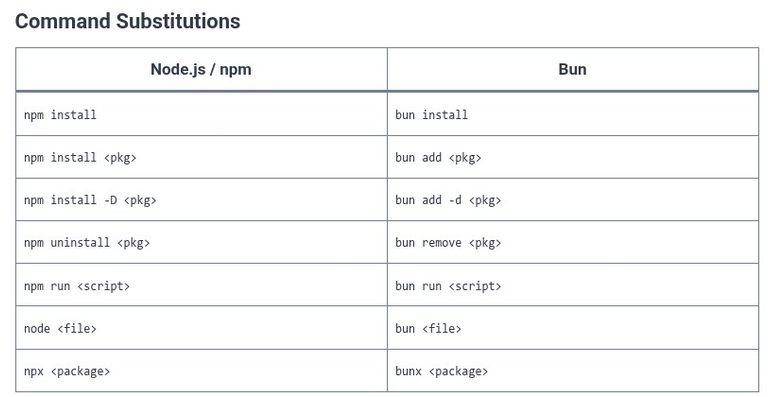
    Bun is designed as a drop-in replacement for Node.js, and most projects migrate with command substitutions rather than code rewrites . The migration is not all-or-nothing: a project can adopt bun install for speed while continuing to run under Node.js, then switch the runtime when compatibility is verified. The exam tests the command mapping, the…

    Read More Bun 14 ⚡ Migrating Existing Node.js, Express, or Next.js Projects to BunContinue

  • Bun 13 ⚡ CI/CD Integration with Immutable and Offline Installs
    Programming | Tools & Build Systems | Bun | Package Managers

    Bun 13 ⚡ CI/CD Integration with Immutable and Offline Installs

    ByKandZ October 29, 2026October 29, 2026

    Bun’s CI/CD story is built on a single command: bun install –frozen-lockfile. The flag ensures the lockfile is respected and never rewritten during the install. Unlike pnpm, which has a separate –offline mode that requires pre-populated caches, Bun’s approach to reproducibility is simpler: the lockfile is the contract, and the global cache is the optimization….

    Read More Bun 13 ⚡ CI/CD Integration with Immutable and Offline InstallsContinue

  • Bun 12 ⚡ Bundling Applications for Production with bun build
    Programming | Tools & Build Systems | Bun | Package Managers

    Bun 12 ⚡ Bundling Applications for Production with bun build

    ByKandZ October 29, 2026October 29, 2026

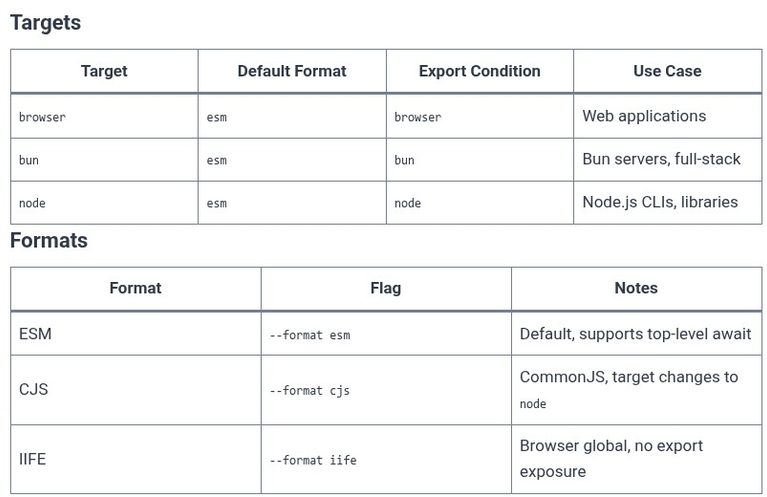
    Bun’s bundler is not a separate tool. It is a component of the runtime, exposed through the bun build command and the Bun.build() JavaScript API. The bundler reads TypeScript, JSX, and CSS natively, resolves imports using Bun’s own resolver, and produces optimized output for a specified target. The LFCS exam does not test Bun, but…

    Read More Bun 12 ⚡ Bundling Applications for Production with bun buildContinue

  • Bun 11 ⚡ Writing and Running Unit Tests with Bun’s Native Test Runner
    Programming | Tools & Build Systems | Bun | Package Managers

    Bun 11 ⚡ Writing and Running Unit Tests with Bun’s Native Test Runner

    ByKandZ October 29, 2026October 29, 2026

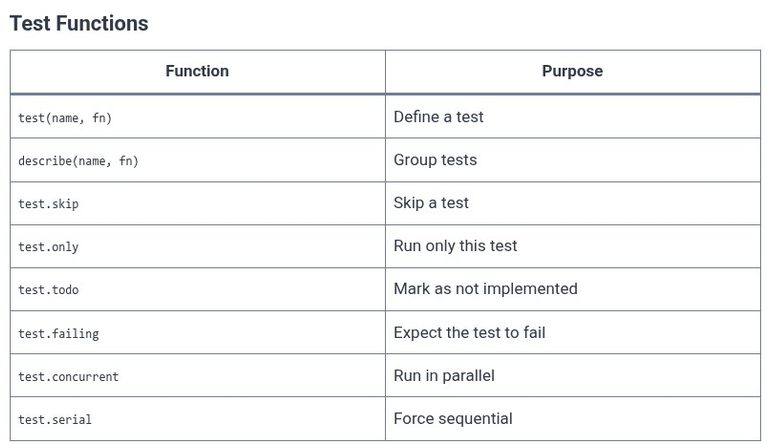
    Bun ships with a built-in test runner, and it is not a wrapper around Jest or Vitest. The bun:test module is implemented in the runtime and executed by Bun itself. This means TypeScript and JSX test files run without a transpilation step, the startup cost is eliminated, and the runner is significantly faster than Jest—benchmarks…

    Read More Bun 11 ⚡ Writing and Running Unit Tests with Bun’s Native Test RunnerContinue

  • LFCS 115 🐧 SSH Tunneling and Port Forwarding
    Linux | Operating Systems | LFCS - Linux Foundation Certified Sysadmin

    LFCS 115 🐧 SSH Tunneling and Port Forwarding

    ByKandZ October 29, 2026October 29, 2026

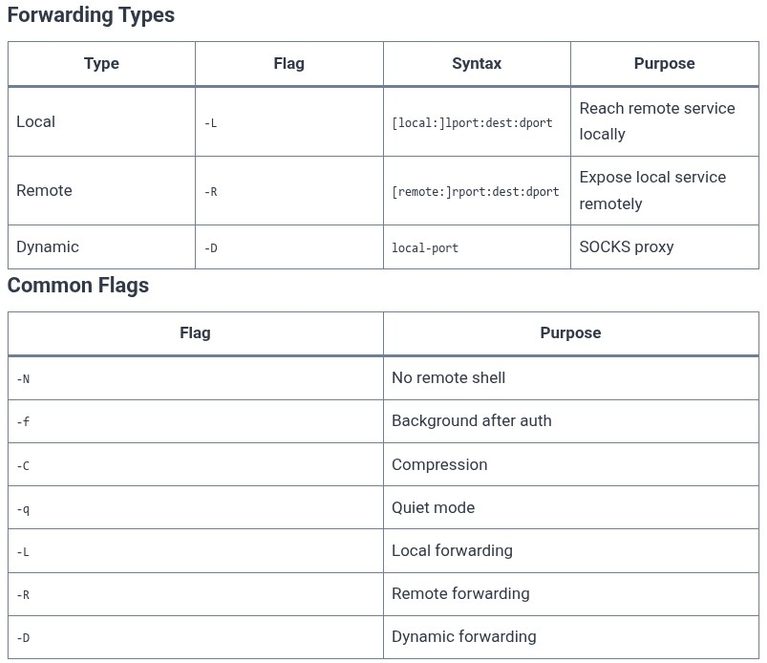
    The previous chapters configured the SSH server and client for direct connections. This chapter covers the mechanisms that route traffic through an SSH connection to reach services that are otherwise inaccessible. SSH tunneling, also called port forwarding, creates an encrypted channel between the client and the server, and then relays traffic through that channel to…

    Read More LFCS 115 🐧 SSH Tunneling and Port ForwardingContinue

  • LFCS 114 🐧 SSH Agent and Config File
    Linux | Operating Systems | LFCS - Linux Foundation Certified Sysadmin

    LFCS 114 🐧 SSH Agent and Config File

    ByKandZ October 29, 2026October 29, 2026

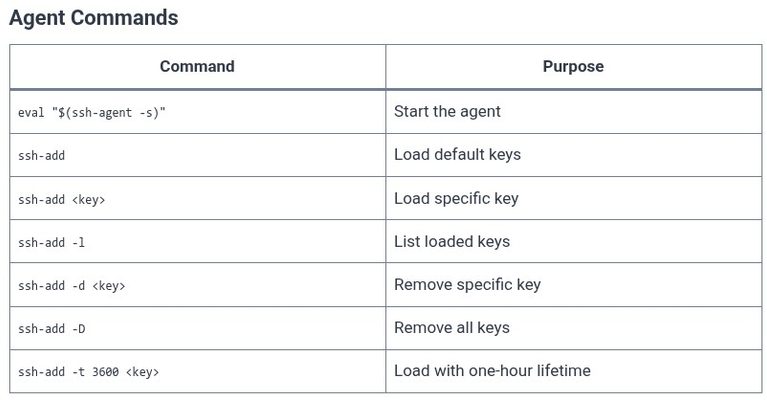
    The previous chapter deployed the public key to the server’s authorized_keys. This chapter covers two client-side mechanisms that make key-based authentication practical at scale: the SSH agent, which caches decrypted private keys in memory so the passphrase is typed once per session, and the SSH config file, which stores per-host connection settings so the command…

    Read More LFCS 114 🐧 SSH Agent and Config FileContinue

  • LFCS 113 🐧 SSH Keys — Generating and Deploying
    Linux | Operating Systems | LFCS - Linux Foundation Certified Sysadmin

    LFCS 113 🐧 SSH Keys — Generating and Deploying

    ByKandZ October 29, 2026October 29, 2026

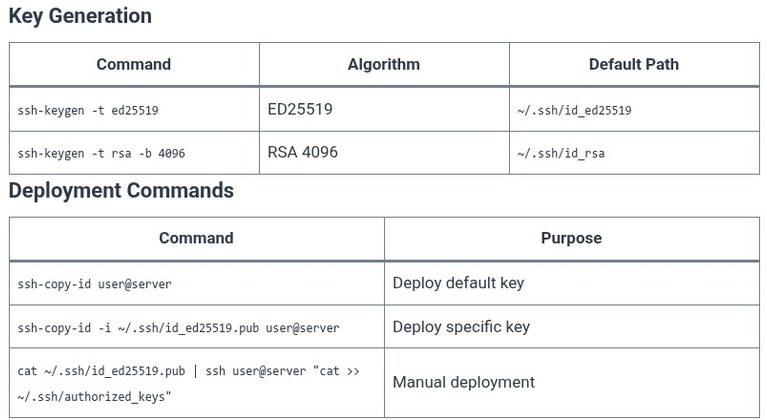
    The previous chapters configured the SSH server to accept key-based authentication and reject passwords. This chapter covers the client side: generating a key pair, deploying the public key to the server’s authorized_keys file, and fixing the permission errors that cause key authentication to fail silently. The LFCS exam tests the workflow and the specific permission…

    Read More LFCS 113 🐧 SSH Keys — Generating and DeployingContinue

  • LFCS 112 🐧 SSH Server — Hardening
    Linux | Operating Systems | LFCS - Linux Foundation Certified Sysadmin

    LFCS 112 🐧 SSH Server — Hardening

    ByKandZ October 29, 2026October 29, 2026

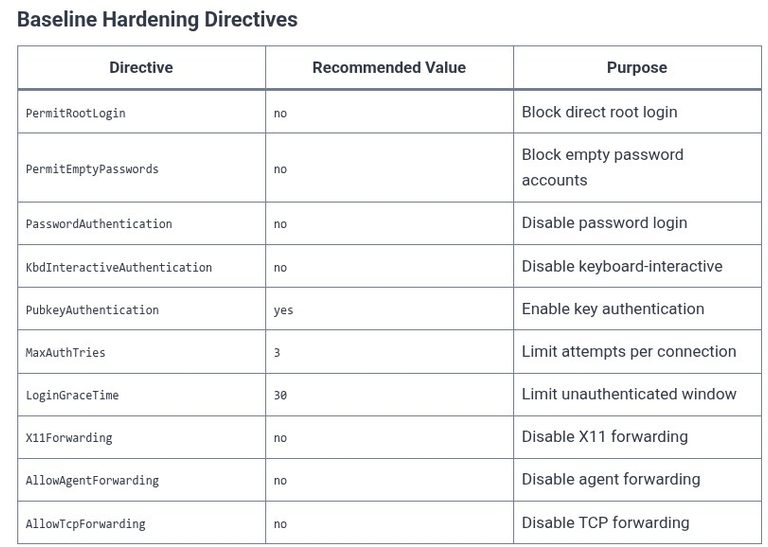
    The previous chapter established the configuration syntax and the lockout risk. This chapter covers the directives that reduce the attack surface after the basic setup is working. Hardening is not a single change but a layered strategy: eliminate the most attractive attack vectors (root login, password authentication), reduce the window for brute force (MaxAuthTries, LoginGraceTime),…

    Read More LFCS 112 🐧 SSH Server — HardeningContinue

Page navigation

Previous PagePrevious 1 … 17 18 19 20 21 … 256 Next PageNext
    Search