Skip to content

KandZ - Tuts

  • Operating Systems ▾
    • Linux ▾
      • Distros ▾
        • Fedora
        • Other Distros
        • Ubuntu
      • Gnome 48
      • KDE
      • LFCA - Linux Foundation Certified IT Associate
      • LFCS - Linux Foundation Certified Sysadmin
      • LFCE - Linux Foundation Certified Engineer (Sysadmin + Network Admin)
      • Linux CLI
      • Various
      • Bash Scripting
  • Paths ▾
    • Core Web Stack
    • React & Modern UI Stack
    • Linux Core
  • Programming ▾
    • Frontend (FED) ▾
      • React Ecosystem ▾
        • React
        • React Router
        • TanStack Router
        • TanStack Query (React Query)
        • Zustand
        • Redux Toolkit
      • Angular Ecosystem ▾
        • Angular
      • Vue Ecosystem ▾
        • Vue.js
      • Styling & UI Components ▾
        • Tailwind CSS
    • Languages & Runtimes ▾
      • CSS
      • Dart
      • HTML
      • JavaScript
      • Node.js
      • Rust
      • SQL
      • TypeScript
    • Tools & Build Systems ▾
      • Version Control ▾
        • GitHub
        • Git
        • GitLab
      • Package Managers ▾
        • npm
        • Bun
        • yarn
        • pnpm
      • DevOps & Containers ▾
        • Docker
  • Servers & Self-Hosting ▾
    • Internet ▾
      • Internet Backend - Coming Soon
      • Internet Beginner
      • Internet Frontend - Coming Soon
    • Networking & DNS ▾
      • REST API
  • Tools
  • Windows ▾
    • Windows 11
KandZ - Tuts
AngularBunCSSDartDockerGitGitHubGitLabHTMLJavaScriptNode.jsnpmpnpmReactReact RouterRedux ToolkitRustSQLTailwind CSSTanStack Query (React Query)TanStack RouterTypeScriptVue.jsyarnZustandBash ScriptingFedoraGnome 48KDELFCA - Linux Foundation Certified IT AssociateLFCE - Linux Foundation Certified Engineer (Sysadmin + Network Admin)LFCS - Linux Foundation Certified SysadminLinux CLIOther DistrosUbuntuVariousCore Web StackInternet Backend - Coming SoonInternet BeginnerInternet Frontend - Coming SoonLinux CoreReact & Modern UI StackREST APIToolsWindows 11
  • Dart 91 🎯 Internal Architecture: Class Table Layout, Object Headers, and Smi Mechanics
    Programming | Dart | Languages & Runtimes

    Dart 91 🎯 Internal Architecture: Class Table Layout, Object Headers, and Smi Mechanics

    ByKandZ October 21, 2026October 22, 2026

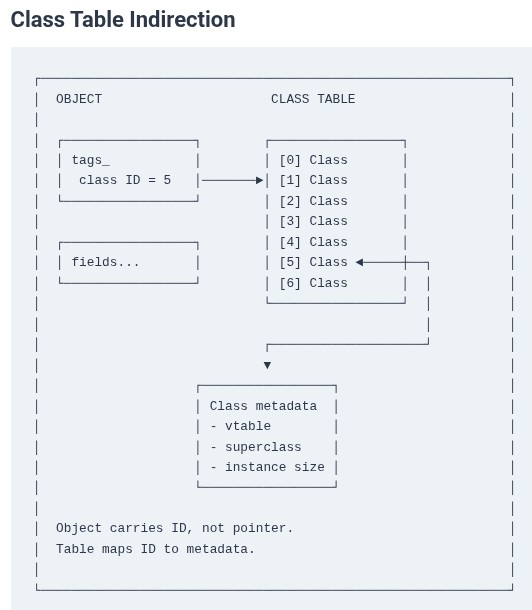
    The Dart VM’s internal architecture is a study in trade-offs between memory efficiency and execution speed. Every object in the heap begins with a header that encodes metadata for garbage collection, type identification, and canonicalization. The class table provides a level of indirection that allows objects to reference their type with a small integer instead…
    Read More Dart 91 🎯 Internal Architecture: Class Table Layout, Object Headers, and Smi MechanicsContinue

  • React 100 ⚛️ Production Builds, Bundling, and Deployment Strategies
    Programming | Frontend (FED) | React

    React 100 ⚛️ Production Builds, Bundling, and Deployment Strategies

    ByKandZ October 21, 2026October 21, 2026

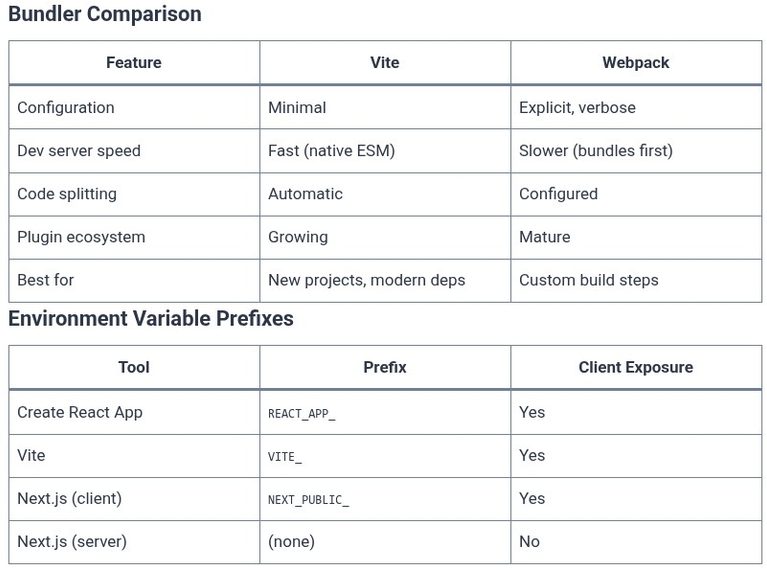
    Production builds are not a single command but a sequence of decisions: which bundler processes the source, which environment variables are embedded at build time, and where the resulting artifacts are served from. React’s development build includes warnings and debugging tools that are intentionally removed in production; the production build is typically two to three…

    Read More React 100 ⚛️ Production Builds, Bundling, and Deployment StrategiesContinue

  • React 99 ⚛️ React DevTools Profiling and Component Auditing
    Programming | Frontend (FED) | React

    React 99 ⚛️ React DevTools Profiling and Component Auditing

    ByKandZ October 21, 2026October 21, 2026

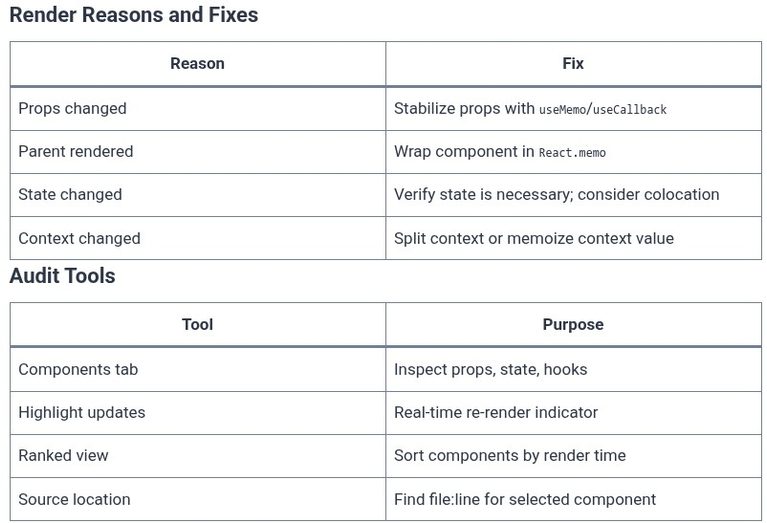
    React DevTools Profiler is a measurement instrument, not a debugging console. It records what actually happened during a render cycle—which components rendered, how long each took, and why they rendered—and presents that data as a flamegraph or a ranked list. The value of the tool is that it replaces guesswork with evidence. A developer who…

    Read More React 99 ⚛️ React DevTools Profiling and Component AuditingContinue

  • React 98 ⚛️ Preventing XSS and Injection Vulnerabilities in React
    Programming | Frontend (FED) | React

    React 98 ⚛️ Preventing XSS and Injection Vulnerabilities in React

    ByKandZ October 21, 2026October 21, 2026

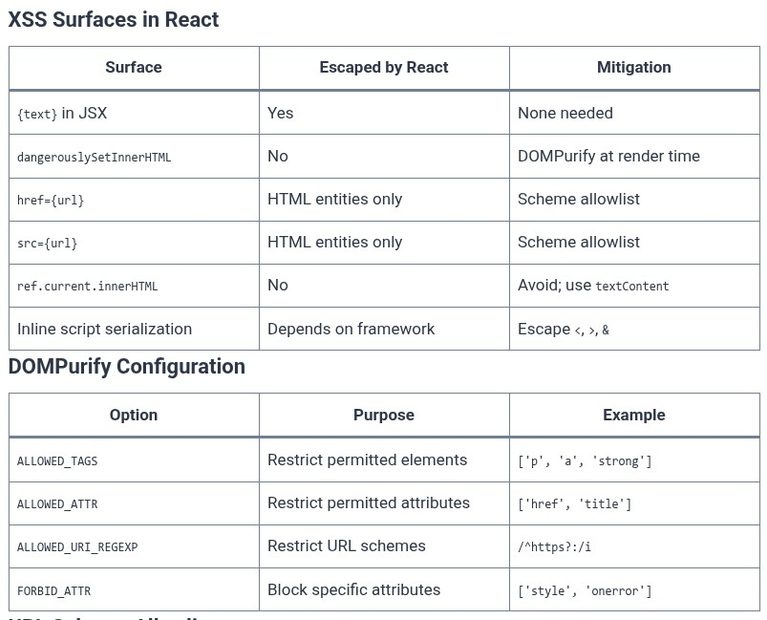
    React’s JSX escaping is a powerful default, but it is a narrow one. Every value interpolated inside curly braces—{userInput}—is converted to a text node, so a string like <script>alert(1)</script> renders as literal characters rather than executing . This single default has prevented more reflected and stored XSS than almost any other framework decision. The problem…

    Read More React 98 ⚛️ Preventing XSS and Injection Vulnerabilities in ReactContinue

  • React 97 ⚛️ Keyboard Navigation and Focus Management
    Programming | Frontend (FED) | React

    React 97 ⚛️ Keyboard Navigation and Focus Management

    ByKandZ October 21, 2026October 21, 2026

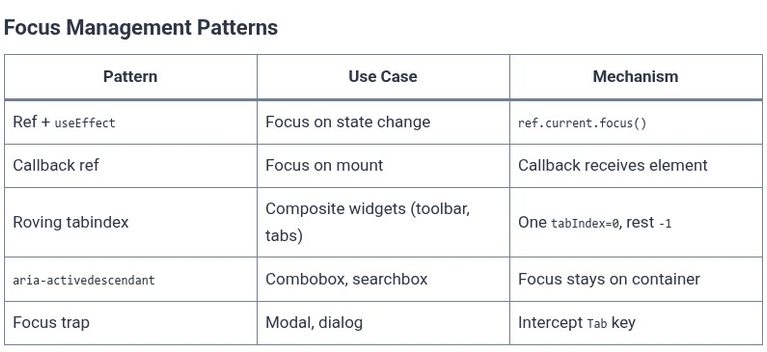
    Keyboard navigation is not an optional enhancement layered on top of a mouse-driven interface. It is the primary interaction model for screen reader users, power users, and anyone who cannot use a pointing device. In React, the challenge is that focus is a property of the DOM, not of component state. React’s declarative model renders…

    Read More React 97 ⚛️ Keyboard Navigation and Focus ManagementContinue

  • React 96 ⚛️ Accessibility (a11y) Roles and ARIA Attributes in React
    Programming | Frontend (FED) | React

    React 96 ⚛️ Accessibility (a11y) Roles and ARIA Attributes in React

    ByKandZ October 21, 2026October 21, 2026

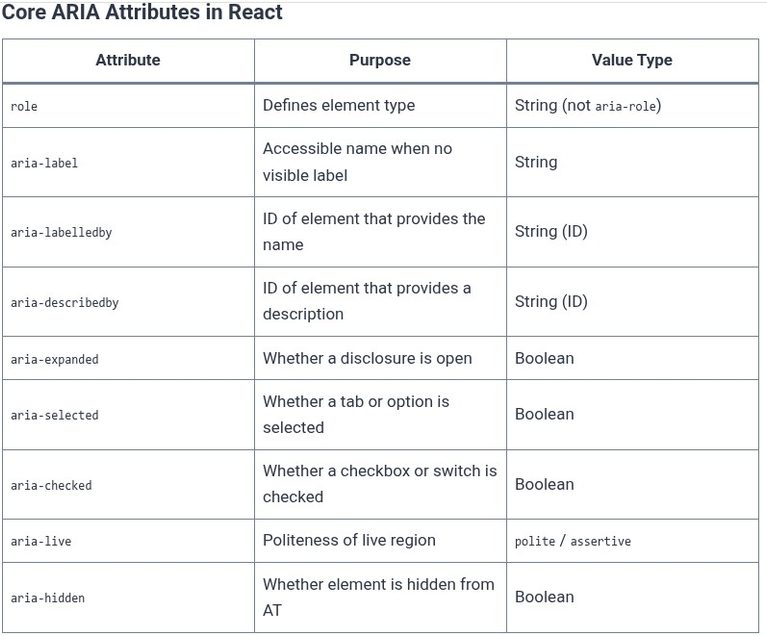
    Accessibility in React is not a separate layer applied after the component is built. It is a property of the component’s markup, and React’s rendering model gives you direct control over that markup. The WAI-ARIA specification defines roles, states, and properties that communicate the purpose and current condition of a UI element to assistive technology…

    Read More React 96 ⚛️ Accessibility (a11y) Roles and ARIA Attributes in ReactContinue

  • SQL 120 🛢️ Consensus Protocols in Distributed Databases (Raft and Paxos)
    Programming | Languages & Runtimes | SQL

    SQL 120 🛢️ Consensus Protocols in Distributed Databases (Raft and Paxos)

    ByKandZ October 21, 2026October 21, 2026

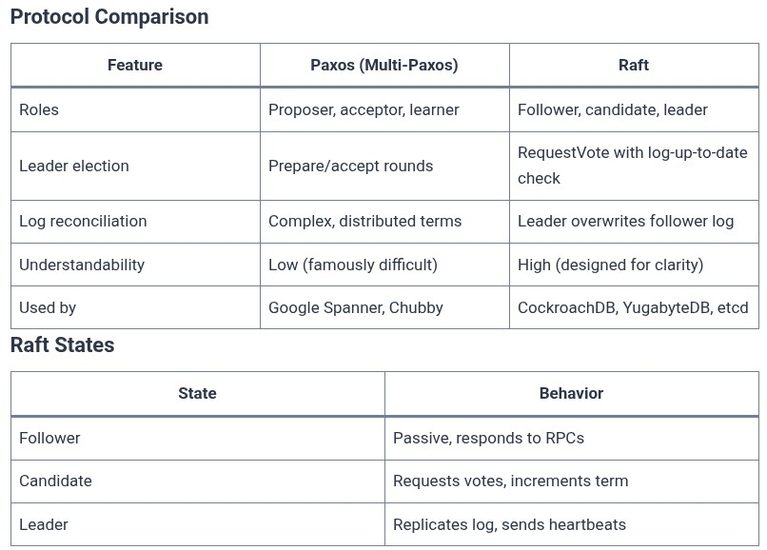
    Consensus protocols are the mechanism by which a cluster of independent servers agrees on a single ordered sequence of operations, even when some servers fail or messages are delayed. In a distributed database, this agreement is what allows a write to be replicated to multiple nodes without divergence: every replica applies the same operations in…

    Read More SQL 120 🛢️ Consensus Protocols in Distributed Databases (Raft and Paxos)Continue

  • SQL 119 🛢️ Two-Phase Commit (2PC) in Distributed Transactions
    Programming | Languages & Runtimes | SQL

    SQL 119 🛢️ Two-Phase Commit (2PC) in Distributed Transactions

    ByKandZ October 21, 2026October 21, 2026

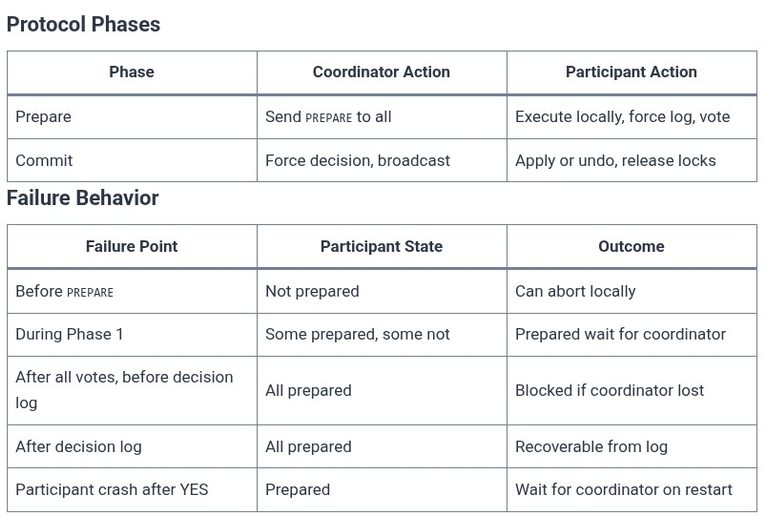
    Two-Phase Commit is the classic atomic commitment protocol for distributed transactions. It exists to solve a single problem: how do multiple independent resource managers—databases, message queues, transactional caches—agree to either commit or abort a transaction as a unit, even when some of them fail during the process? The protocol is not a consensus algorithm in…

    Read More SQL 119 🛢️ Two-Phase Commit (2PC) in Distributed TransactionsContinue

  • SQL 118 🛢️ Distributed SQL Engines (CockroachDB, YugabyteDB, Spanner)
    Programming | Languages & Runtimes | SQL

    SQL 118 🛢️ Distributed SQL Engines (CockroachDB, YugabyteDB, Spanner)

    ByKandZ October 21, 2026October 21, 2026

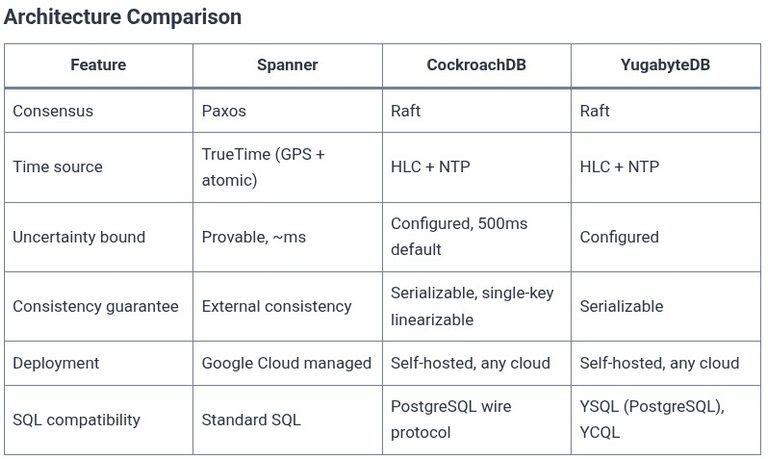
    Distributed SQL engines exist to answer a question that traditional relational databases answer poorly: how do you run ACID transactions with strong consistency across multiple machines, multiple data centers, or multiple continents without sacrificing the relational model? The three systems most commonly discussed in this category—Google Spanner, CockroachDB, and YugabyteDB—share the same architectural lineage. Each…

    Read More SQL 118 🛢️ Distributed SQL Engines (CockroachDB, YugabyteDB, Spanner)Continue

  • SQL 117 🛢️ Massively Parallel Processing (MPP) Architecture
    Programming | Languages & Runtimes | SQL

    SQL 117 🛢️ Massively Parallel Processing (MPP) Architecture

    ByKandZ October 21, 2026October 21, 2026

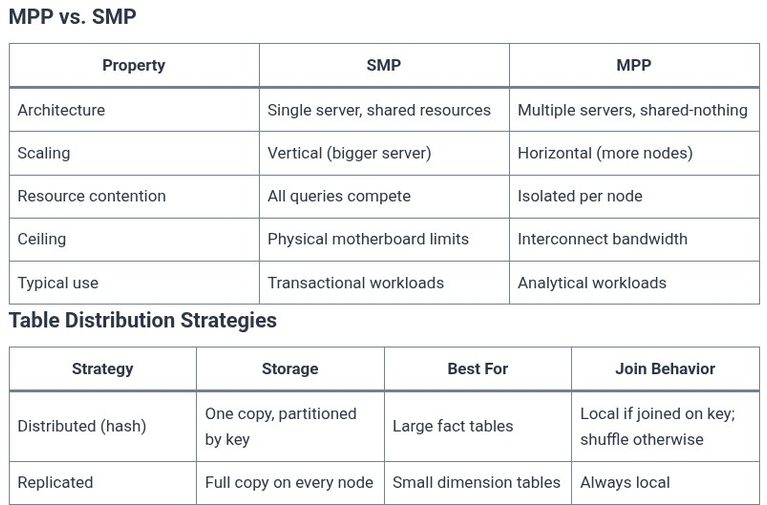
    MPP architecture is the structural answer to a single question: what happens when the data is too large and the query too complex for one machine to process in a reasonable time? The answer is to spread both the data and the work across many independent nodes, each with its own CPU, memory, and disk,…

    Read More SQL 117 🛢️ Massively Parallel Processing (MPP) ArchitectureContinue

Page navigation

Previous PagePrevious 1 … 46 47 48 49 50 … 258 Next PageNext
    Search