Skip to content

KandZ - Tuts

  • Operating Systems ▾
    • Linux ▾
      • Distros ▾
        • Fedora
        • Other Distros
        • Ubuntu
      • Gnome 48
      • KDE
      • LFCA - Linux Foundation Certified IT Associate
      • LFCS - Linux Foundation Certified Sysadmin
      • LFCE - Linux Foundation Certified Engineer (Sysadmin + Network Admin)
      • Linux CLI
      • Various
      • Bash Scripting
  • Paths ▾
    • Core Web Stack
    • React & Modern UI Stack
    • Linux Core
  • Programming ▾
    • Frontend (FED) ▾
      • React Ecosystem ▾
        • React
        • React Router
        • TanStack Router
        • TanStack Query (React Query)
        • Zustand
        • Redux Toolkit
      • Angular Ecosystem ▾
        • Angular
      • Vue Ecosystem ▾
        • Vue.js
      • Styling & UI Components ▾
        • Tailwind CSS
    • Languages & Runtimes ▾
      • CSS
      • Dart
      • HTML
      • JavaScript
      • Node.js
      • Rust
      • SQL
      • TypeScript
    • Tools & Build Systems ▾
      • Version Control ▾
        • GitHub
        • Git
        • GitLab
      • Package Managers ▾
        • npm
        • Bun
        • yarn
        • pnpm
      • DevOps & Containers ▾
        • Docker
  • Servers & Self-Hosting ▾
    • Internet ▾
      • Internet Backend - Coming Soon
      • Internet Beginner
      • Internet Frontend - Coming Soon
    • Networking & DNS ▾
      • REST API
  • Tools
  • Windows ▾
    • Windows 11
KandZ - Tuts
AngularBunCSSDartDockerGitGitHubGitLabHTMLJavaScriptNode.jsnpmpnpmReactReact RouterRedux ToolkitRustSQLTailwind CSSTanStack Query (React Query)TanStack RouterTypeScriptVue.jsyarnZustandBash ScriptingFedoraGnome 48KDELFCA - Linux Foundation Certified IT AssociateLFCE - Linux Foundation Certified Engineer (Sysadmin + Network Admin)LFCS - Linux Foundation Certified SysadminLinux CLIOther DistrosUbuntuVariousCore Web StackInternet Backend - Coming SoonInternet BeginnerInternet Frontend - Coming SoonLinux CoreReact & Modern UI StackREST APIToolsWindows 11
  • SQL 116 🛢️ Slowly Changing Dimensions (SCD Types 1, 2, 3, and 6)
    Programming | Languages & Runtimes | SQL

    SQL 116 🛢️ Slowly Changing Dimensions (SCD Types 1, 2, 3, and 6)

    ByKandZ October 21, 2026October 21, 2026

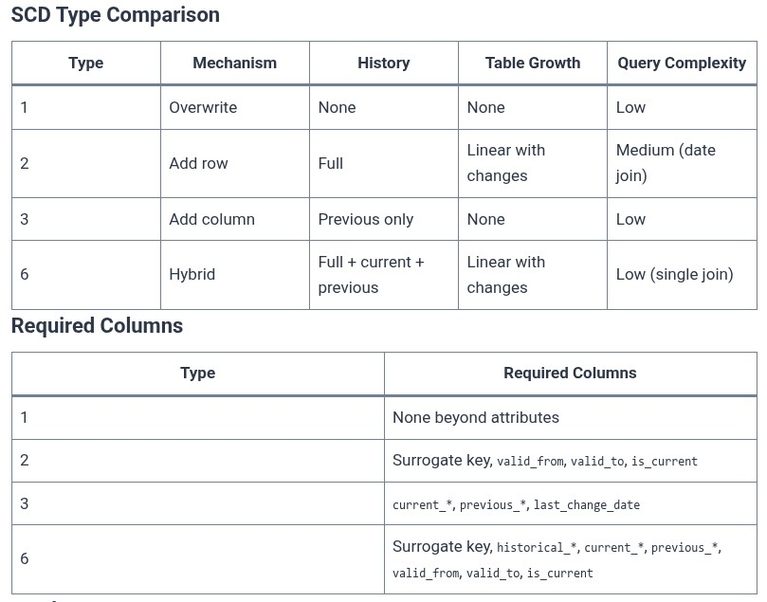
    Dimension data changes slowly and unpredictably. A customer moves to a new city, a product is recategorized, a salesperson transfers to a different region. A data warehouse that overwrites the old value on every change cannot answer the question “what region was this salesperson assigned to when the sale was made?” Slowly Changing Dimensions (SCD)…
    Read More SQL 116 🛢️ Slowly Changing Dimensions (SCD Types 1, 2, 3, and 6)Continue

  • npm 15 🌐 Structuring a Package for Publishing (main, module, types, exports)
    Programming | npm | Tools & Build Systems

    npm 15 🌐 Structuring a Package for Publishing (main, module, types, exports)

    ByKandZ October 21, 2026October 21, 2026

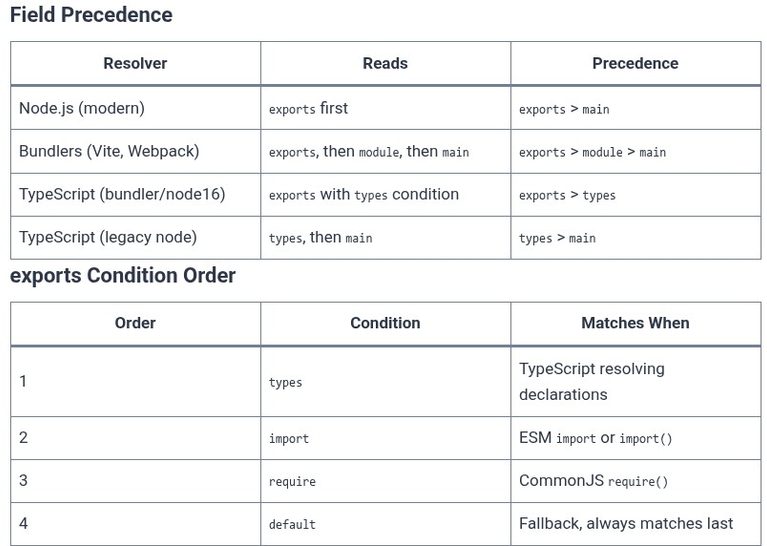
    A published package is consumed by many different resolvers: Node.js in CommonJS mode, Node.js in ESM mode, TypeScript with legacy module resolution, TypeScript with modern bundler or node16 resolution, and bundlers like Vite and Webpack. Each resolver looks at package.json differently. The four fields that determine whether a package works across all of them are…

    Read More npm 15 🌐 Structuring a Package for Publishing (main, module, types, exports)Continue

  • npm 14 🌐 Creating and Setting Up an npm Account
    Programming | npm | Tools & Build Systems

    npm 14 🌐 Creating and Setting Up an npm Account

    ByKandZ October 21, 2026October 21, 2026

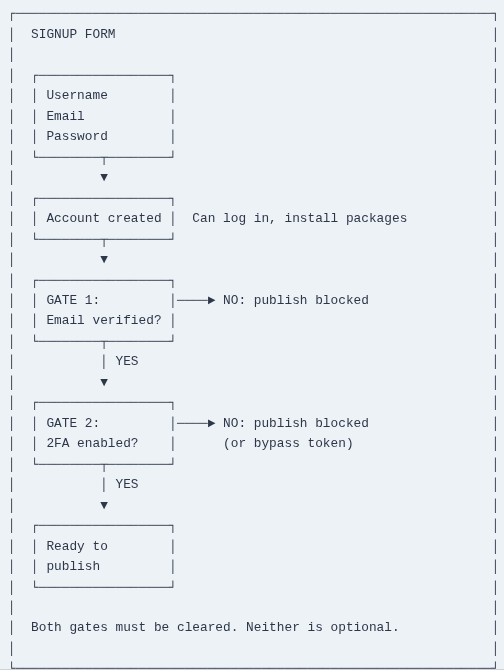
    An npm account is the credential that separates a consumer of packages from a publisher. Creating one takes minutes, but the account that can actually publish is a different thing from the account that was just created. Publishing to the public registry requires two gates to be cleared: email verification and two-factor authentication . The…

    Read More npm 14 🌐 Creating and Setting Up an npm AccountContinue

  • npm 13 🌐 Updating, Auditing, and Removing Packages (npm update, npm audit, npm uninstall)
    Programming | npm | Tools & Build Systems

    npm 13 🌐 Updating, Auditing, and Removing Packages (npm update, npm audit, npm uninstall)

    ByKandZ October 21, 2026October 21, 2026

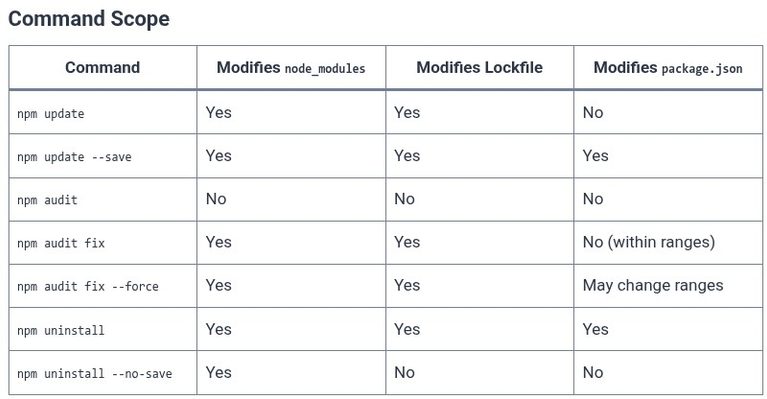
    Package maintenance is not a single command but a cycle. npm update advances dependencies within the semver ranges declared in package.json. npm audit inspects the dependency tree for known vulnerabilities and optionally applies fixes. npm uninstall removes a package and cleans up every reference to it. Each command modifies a different artifact—node_modules, package-lock.json, or package.json—and…

    Read More npm 13 🌐 Updating, Auditing, and Removing Packages (npm update, npm audit, npm uninstall)Continue

  • npm 12 🌐 Environment Variables in npm Scripts
    Programming | npm | Tools & Build Systems

    npm 12 🌐 Environment Variables in npm Scripts

    ByKandZ October 21, 2026October 21, 2026

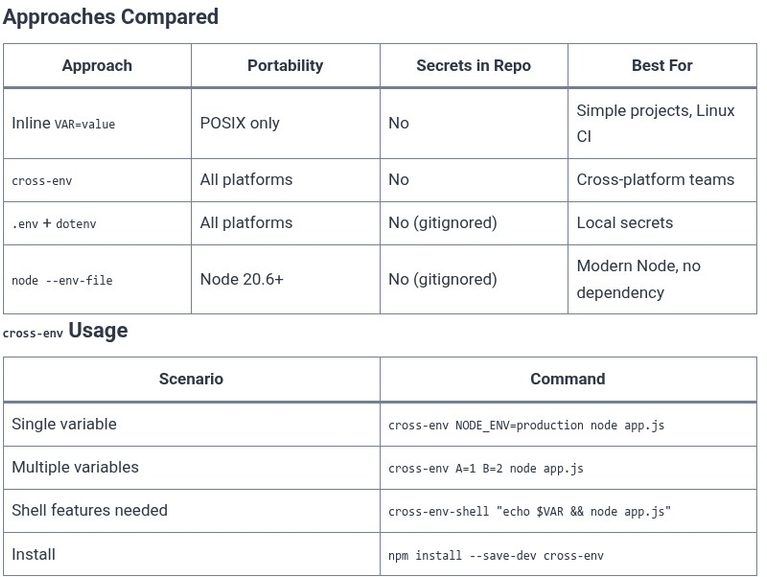
    Environment variables are the mechanism by which npm scripts receive configuration that varies by machine, by environment, or by deployment target. A script that reads process.env.NODE_ENV or process.env.API_URL is not hardcoded to a single setup; it adapts based on what the surrounding shell or .env file provides. The complication is that setting environment variables in…

    Read More npm 12 🌐 Environment Variables in npm ScriptsContinue

  • npm 11 🌐 Lifecycle Scripts (pre, post, prepare, prepublishOnly)
    Programming | npm | Tools & Build Systems

    npm 11 🌐 Lifecycle Scripts (pre, post, prepare, prepublishOnly)

    ByKandZ October 21, 2026October 21, 2026

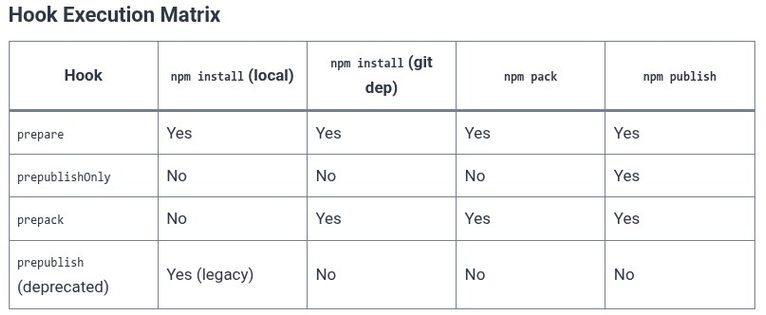
    npm lifecycle scripts are hooks that run automatically at specific points in a package’s lifecycle—during install, pack, publish, or when a user-defined script is invoked. The pre and post prefixes are the general mechanism: any script named prefoo runs before foo, and postfoo runs after it . The special scripts prepare, prepublishOnly, and the deprecated…

    Read More npm 11 🌐 Lifecycle Scripts (pre, post, prepare, prepublishOnly)Continue

  • REST API 26 🌐 Cheatsheet — The Complete REST API Reference
    Servers & Self-Hosting | Networking & DNS | REST API

    REST API 26 🌐 Cheatsheet — The Complete REST API Reference

    ByKandZ October 21, 2026October 21, 2026

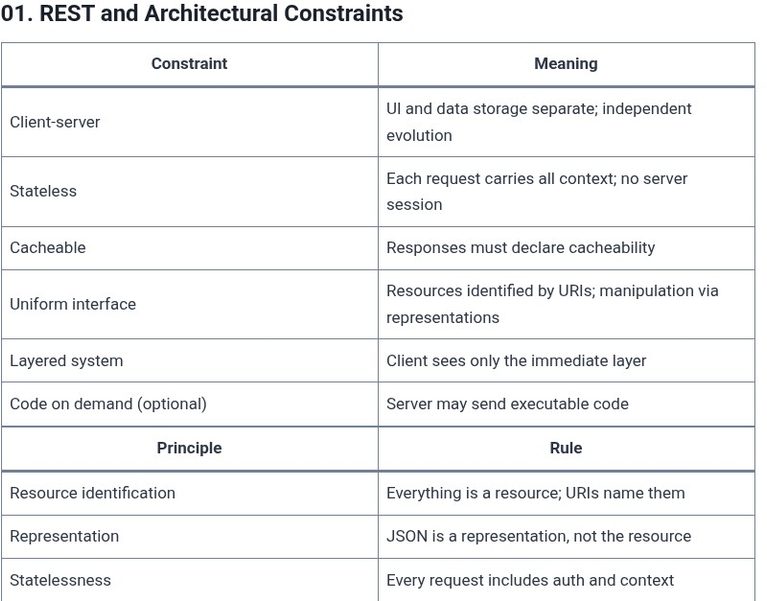
    This chapter is not a tutorial. It is a condensed reference for everything covered in the REST API series, organized for lookup rather than reading. Each section maps to a chapter, keeps only the facts that matter in practice, and omits the explanations that the chapters already provide. Use it when you know what you…

    Read More REST API 26 🌐 Cheatsheet — The Complete REST API ReferenceContinue

  • REST API 25 🌐 API Gateways, Reverse Proxies, and Load Balancing
    Servers & Self-Hosting | Networking & DNS | REST API

    REST API 25 🌐 API Gateways, Reverse Proxies, and Load Balancing

    ByKandZ October 21, 2026October 21, 2026

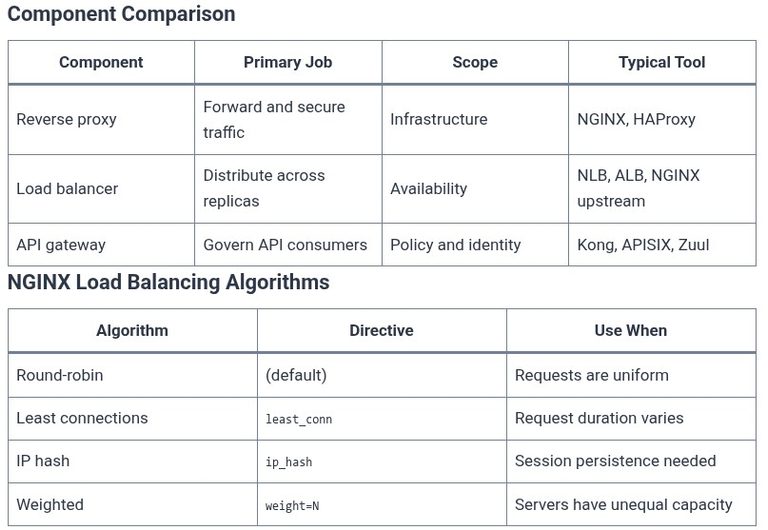
    The three components that sit between clients and backend services are often conflated because their data paths overlap. A reverse proxy accepts a request, selects an upstream, forwards it, and relays the response. A load balancer distributes traffic across multiple backends. An API gateway performs reverse-proxy work while adding API-specific policy: consumer identity, per-route authorization,…

    Read More REST API 25 🌐 API Gateways, Reverse Proxies, and Load BalancingContinue

  • REST API 24 🌐 Security Hardening (OWASP API Top 10)
    Servers & Self-Hosting | Networking & DNS | REST API

    REST API 24 🌐 Security Hardening (OWASP API Top 10)

    ByKandZ October 21, 2026October 21, 2026

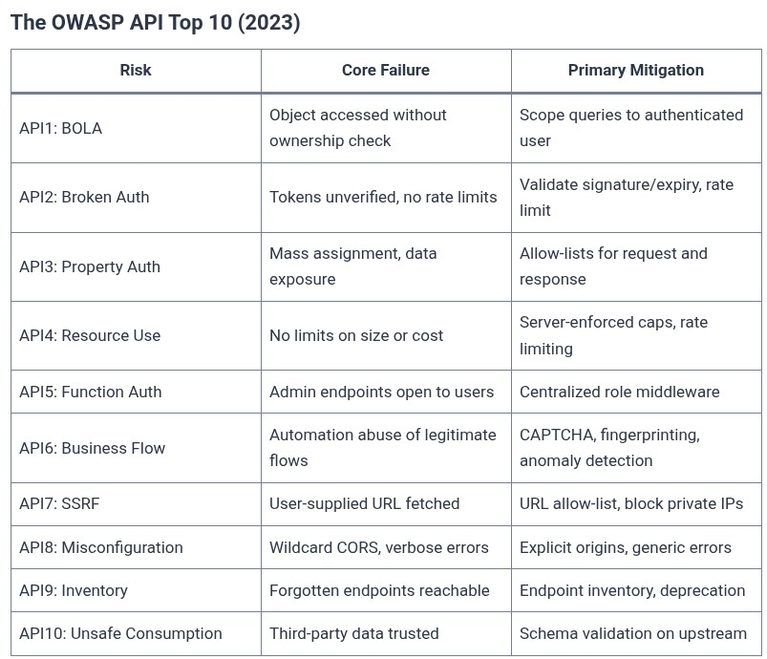
    API security is not a feature that can be bolted on after the endpoints are built. The OWASP API Security Top 10 exists because the failures that actually cause breaches are structural: authorization checks that were never written, authentication tokens that were never verified, and resource limits that were never enforced . The 2023 edition…

    Read More REST API 24 🌐 Security Hardening (OWASP API Top 10)Continue

  • REST API 23 🌐 Webhooks and Event-Driven Notifications
    Servers & Self-Hosting | Networking & DNS | REST API

    REST API 23 🌐 Webhooks and Event-Driven Notifications

    ByKandZ October 21, 2026October 21, 2026

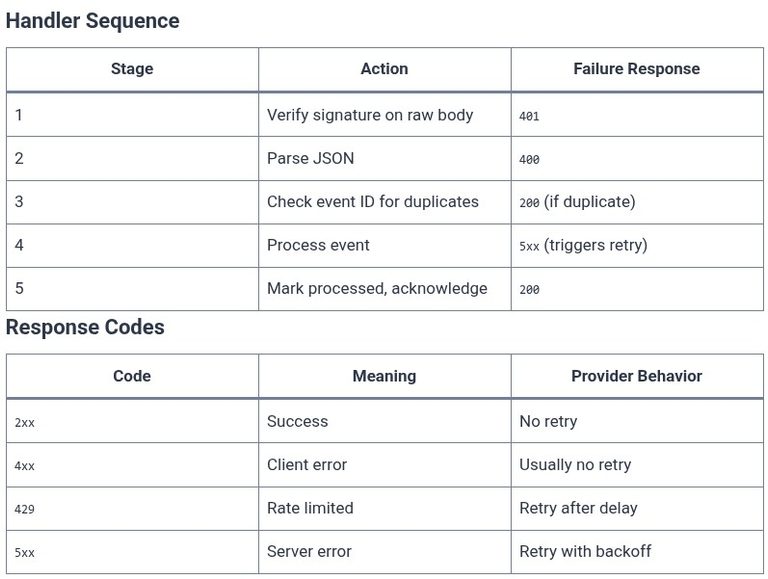
    A webhook is an HTTP callback: instead of a client repeatedly asking whether something has changed, the server sends a POST request to a URL the client registered in advance, at the moment the event occurs . This inversion of the request-response model is what makes webhooks the standard mechanism for real-time server-to-server notifications. A…

    Read More REST API 23 🌐 Webhooks and Event-Driven NotificationsContinue

Page navigation

Previous PagePrevious 1 … 47 48 49 50 51 … 258 Next PageNext
    Search