Skip to content

KandZ - Tuts

  • Operating Systems ▾
    • Linux ▾
      • Distros ▾
        • Fedora
        • Other Distros
        • Ubuntu
      • Gnome 48
      • KDE
      • LFCA - Linux Foundation Certified IT Associate
      • LFCS - Linux Foundation Certified Sysadmin
      • LFCE - Linux Foundation Certified Engineer (Sysadmin + Network Admin)
      • Linux CLI
      • Various
      • Bash Scripting
  • Paths ▾
    • Core Web Stack
    • React & Modern UI Stack
    • Linux Core
  • Programming ▾
    • Frontend (FED) ▾
      • React Ecosystem ▾
        • React
        • React Router
        • TanStack Router
        • TanStack Query (React Query)
        • Zustand
        • Redux Toolkit
      • Angular Ecosystem ▾
        • Angular
      • Vue Ecosystem ▾
        • Vue.js
      • Styling & UI Components ▾
        • Tailwind CSS
    • Languages & Runtimes ▾
      • CSS
      • Dart
      • HTML
      • JavaScript
      • Node.js
      • Rust
      • SQL
      • TypeScript
    • Tools & Build Systems ▾
      • Version Control ▾
        • GitHub
        • Git
        • GitLab
      • Package Managers ▾
        • npm
        • Bun
        • yarn
        • pnpm
      • DevOps & Containers ▾
        • Docker
  • Servers & Self-Hosting ▾
    • Internet ▾
      • Internet Backend - Coming Soon
      • Internet Beginner
      • Internet Frontend - Coming Soon
    • Networking & DNS ▾
      • REST API
  • Tools
  • Windows ▾
    • Windows 11
KandZ - Tuts
AngularBunCSSDartDockerGitGitHubGitLabHTMLJavaScriptNode.jsnpmpnpmReactReact RouterRedux ToolkitRustSQLTailwind CSSTanStack Query (React Query)TanStack RouterTypeScriptVue.jsyarnZustandBash ScriptingFedoraGnome 48KDELFCA - Linux Foundation Certified IT AssociateLFCE - Linux Foundation Certified Engineer (Sysadmin + Network Admin)LFCS - Linux Foundation Certified SysadminLinux CLIOther DistrosUbuntuVariousCore Web StackInternet Backend - Coming SoonInternet BeginnerInternet Frontend - Coming SoonLinux CoreReact & Modern UI StackREST APIToolsWindows 11
  • React 91 ⚛️ Server Actions and Server-Side Mutations
    Programming | Frontend (FED) | React

    React 91 ⚛️ Server Actions and Server-Side Mutations

    ByKandZ October 20, 2026October 20, 2026

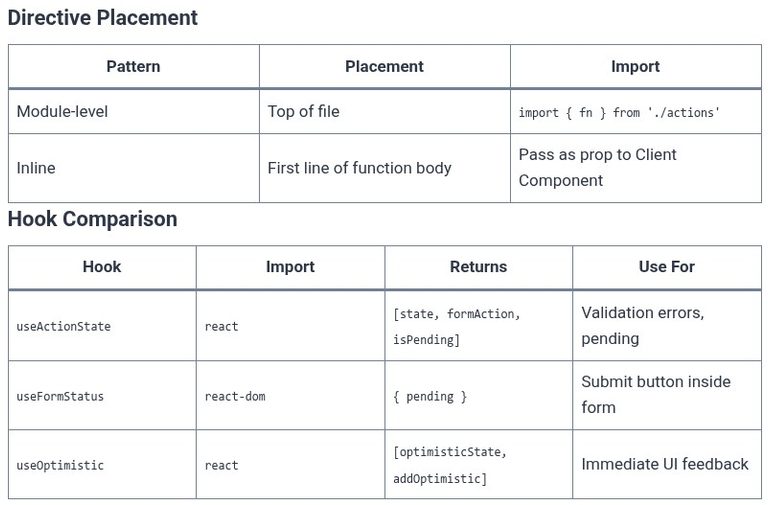
    Server Actions are the mechanism that lets a Client Component call an async function that executes on the server. The ‘use server’ directive marks a function or module as server-executable; the bundler replaces the implementation in the client bundle with a reference, and when the client calls that reference, React sends a POST request to…
    Read More React 91 ⚛️ Server Actions and Server-Side MutationsContinue

  • SQL 115 🛢️ Data Vault 2.0 Modeling Mechanics
    Programming | Languages & Runtimes | SQL

    SQL 115 🛢️ Data Vault 2.0 Modeling Mechanics

    ByKandZ October 20, 2026October 20, 2026

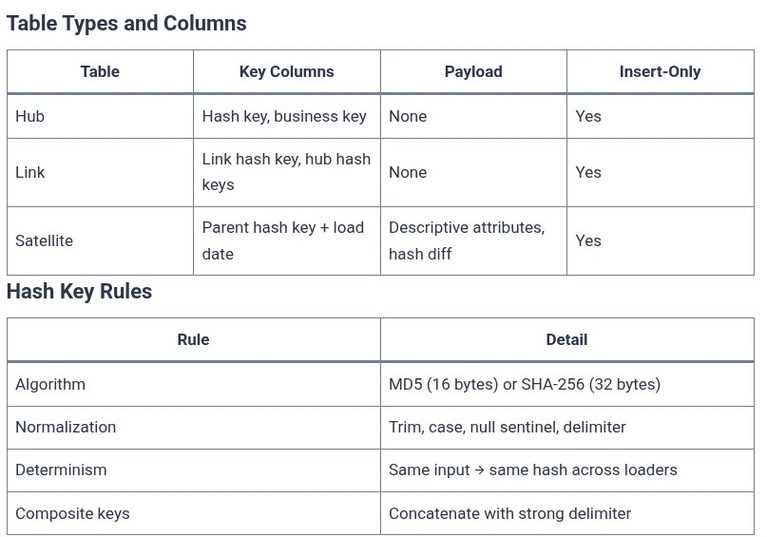
    Data Vault 2.0 is not a dimensional model with different names. It is an integration architecture that separates identity, relationship, and descriptive history into three distinct table types—hubs, links, and satellites—and keys them with deterministic hash values rather than sequential surrogate keys. The separation is what makes the model resilient to source-system changes: adding a…

    Read More SQL 115 🛢️ Data Vault 2.0 Modeling MechanicsContinue

  • SQL 114 🛢️ Data Warehousing Concepts: Star Schema and Snowflake Schema
    Programming | Languages & Runtimes | SQL

    SQL 114 🛢️ Data Warehousing Concepts: Star Schema and Snowflake Schema

    ByKandZ October 20, 2026October 20, 2026

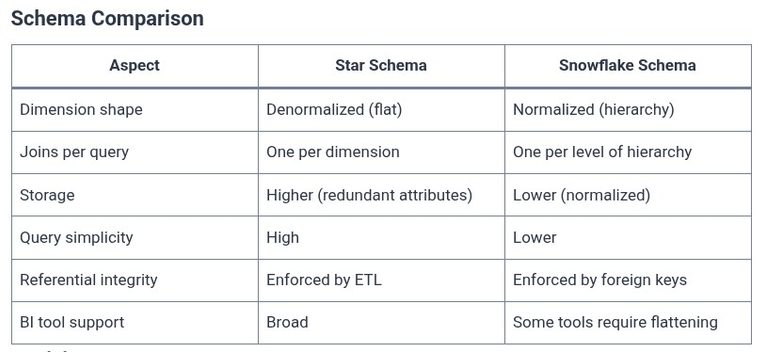
    The choice between a star schema and a snowflake schema is a trade-off between query simplicity and storage normalization, and the trade-off is almost always decided in favor of the star schema for analytical workloads. A star schema has a single fact table surrounded by denormalized dimension tables, one per dimension. A snowflake schema normalizes…

    Read More SQL 114 🛢️ Data Warehousing Concepts: Star Schema and Snowflake SchemaContinue

  • SQL 113 🛢️ Columnar Storage vs Row Storage for OLAP
    Programming | Languages & Runtimes | SQL

    SQL 113 🛢️ Columnar Storage vs Row Storage for OLAP

    ByKandZ October 20, 2026October 20, 2026

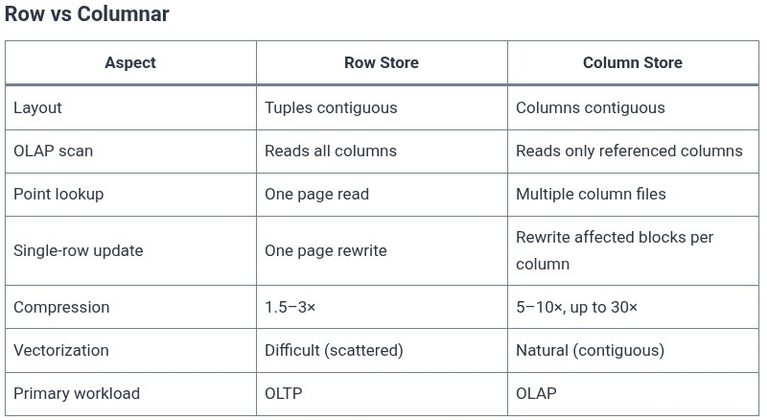
    The difference between row storage and columnar storage is a single physical decision—whether the values of a row are stored together or the values of a column are stored together—and that decision cascades into every performance characteristic of an analytical query. A row store writes each tuple contiguously, so fetching one complete record is a…

    Read More SQL 113 🛢️ Columnar Storage vs Row Storage for OLAPContinue

  • SQL 112 🛢️ Graph Queries in Relational Databases (Recursive & Native Graph Extensions)
    Programming | Languages & Runtimes | SQL

    SQL 112 🛢️ Graph Queries in Relational Databases (Recursive & Native Graph Extensions)

    ByKandZ October 20, 2026October 20, 2026

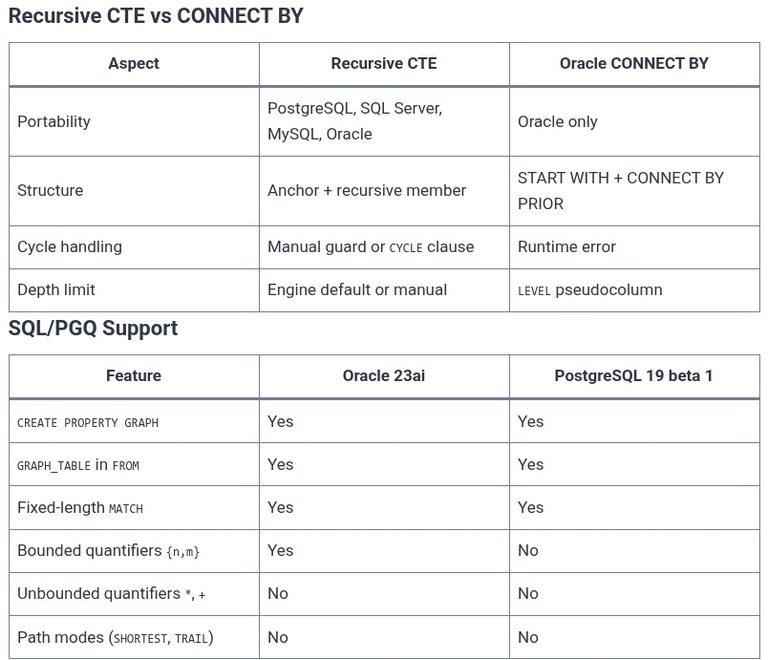
    Relational databases have stored graph-shaped data since before graph databases existed. An org chart is a self-referencing table; a bill of materials is a parent-child relationship; a social network is a many-to-many table with a join table. What has changed is the query interface. For decades, the only portable way to traverse these structures was…

    Read More SQL 112 🛢️ Graph Queries in Relational Databases (Recursive & Native Graph Extensions)Continue

  • SQL 111 🛢️ Temporal Tables and System-Versioned Data History
    Programming | Languages & Runtimes | SQL

    SQL 111 🛢️ Temporal Tables and System-Versioned Data History

    ByKandZ October 20, 2026October 20, 2026

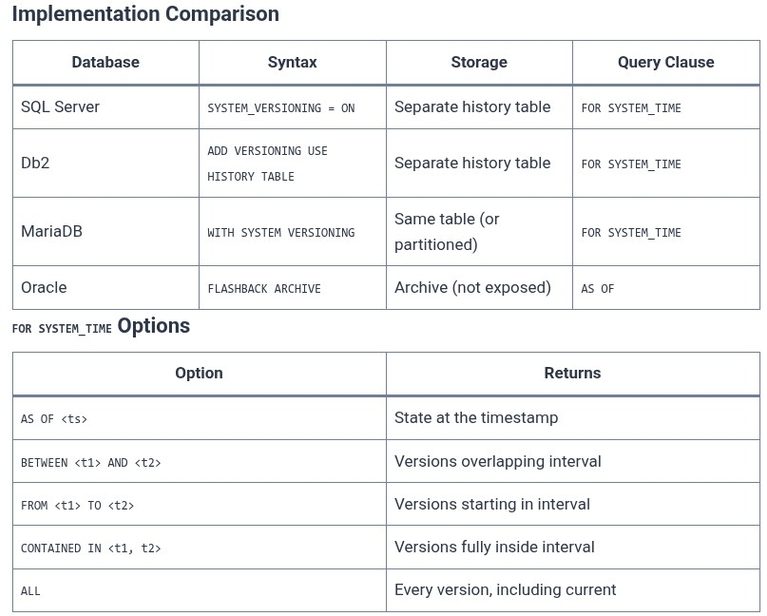
    Temporal tables solve a problem that ordinary tables cannot: preserving every past state of a row while keeping the current state fast to query. The SQL:2011 standard introduced system-versioned temporal tables, and the major relational databases have implemented the concept with different syntax and storage models. SQL Server calls them system-versioned temporal tables and stores…

    Read More SQL 111 🛢️ Temporal Tables and System-Versioned Data HistoryContinue

  • Free SVG Polygon Editor
    Tools

    Free SVG Polygon Editor

    ByKandZ October 20, 2026October 20, 2026

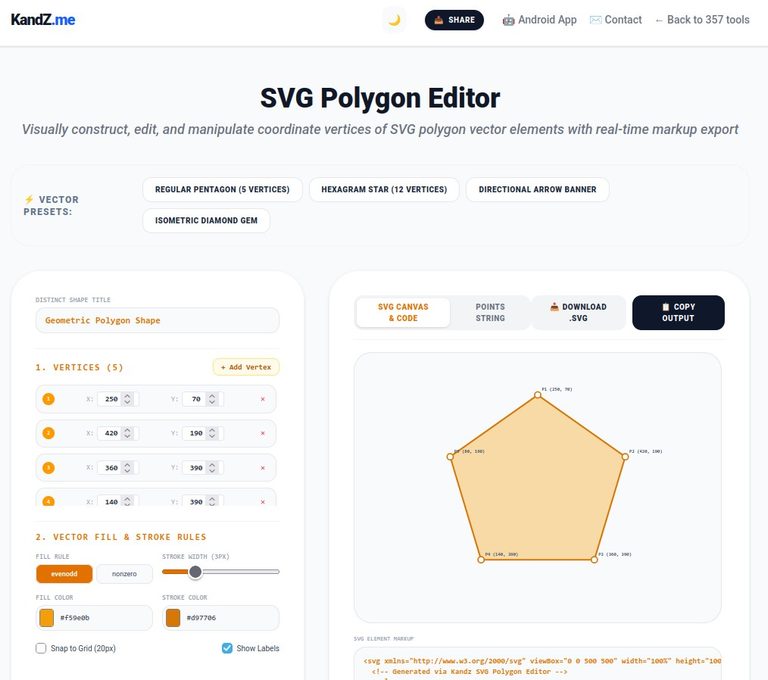
    Editing SVG polygons by hand is a nightmare. You guess the coordinates. You reload the browser. The shape is still wrong. You try to add a vertex and break the whole string. I built a free tool that solves this. What it does: Use cases: Privacy:100% client-side. Nothing uploaded. Try it: tools.kandz.me/svg-polygon-editor

    Read More Free SVG Polygon EditorContinue

  • Tailwind CSS 81 🎨 Cheatsheet
    Programming | Frontend (FED) | Tailwind CSS

    Tailwind CSS 81 🎨 Cheatsheet

    ByKandZ October 20, 2026October 20, 2026

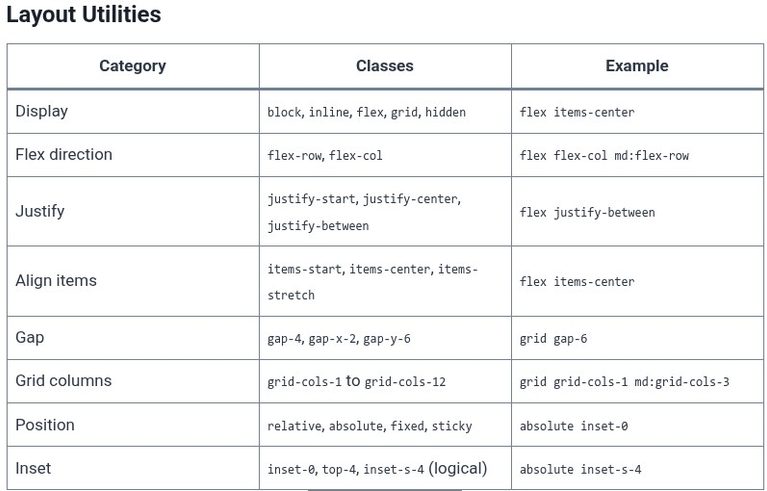
    Tailwind CSS is a utility-first CSS framework that provides low-level utility classes for building custom designs directly in your markup, without writing custom CSS . Version 4 represents a ground-up rewrite: the new Oxide engine built in Rust delivers up to 10x faster builds, configuration moves from JavaScript to CSS with the @theme directive, and…

    Read More Tailwind CSS 81 🎨 CheatsheetContinue

  • LFCA 131 🐧 LFCA – Cheatsheet
    Linux | Operating Systems | LFCA - Linux Foundation Certified IT Associate

    LFCA 131 🐧 LFCA – Cheatsheet

    ByKandZ October 20, 2026October 20, 2026

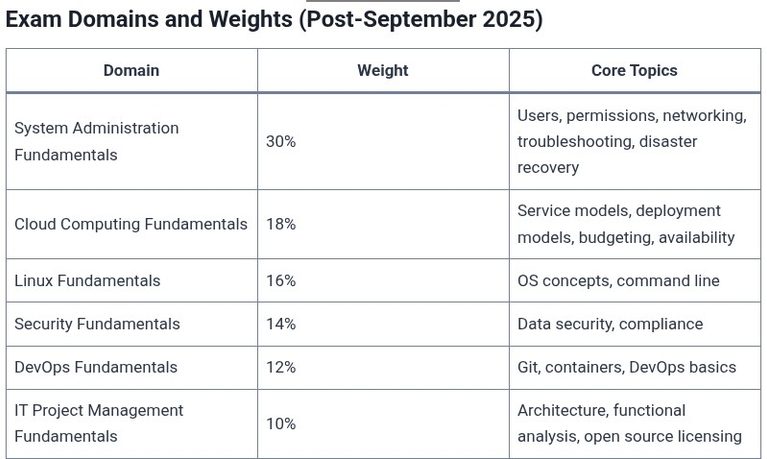
    The Linux Foundation Certified IT Associate (LFCA) is a pre-professional certification for people entering IT or considering a career in system administration or engineering. It validates breadth across fundamental IT concepts—Linux, system administration, cloud computing, security, DevOps, and project management—rather than depth in any single area. The exam is 90 minutes, multiple-choice, and covers six…

    Read More LFCA 131 🐧 LFCA – CheatsheetContinue

  • TypeScript 107 🔷 Cheatsheet
    Programming | Languages & Runtimes | TypeScript

    TypeScript 107 🔷 Cheatsheet

    ByKandZ October 20, 2026October 20, 2026

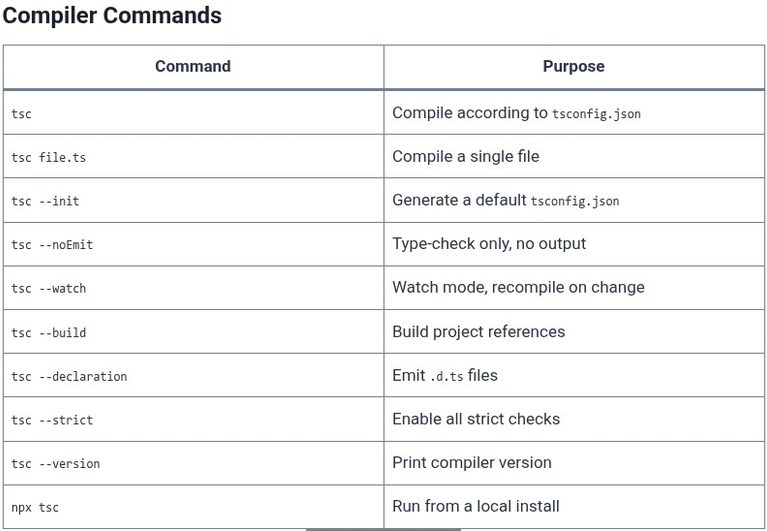
    This cheatsheet is a dense, practical reference for TypeScript’s type system, syntax, and compiler configuration. It prioritizes the features that appear most frequently in daily development—type annotations, generics, utility types, narrowing, and the tsconfig.json settings that determine how strict the compiler is. It reflects TypeScript 5.x, where satisfies, const type parameters, and decorators (standardized) are…

    Read More TypeScript 107 🔷 CheatsheetContinue

Page navigation

Previous PagePrevious 1 … 53 54 55 56 57 … 260 Next PageNext
    Search