Skip to content

KandZ - Tuts

  • Operating Systems ▾
    • Linux ▾
      • Distros ▾
        • Fedora
        • Other Distros
        • Ubuntu
      • Gnome 48
      • KDE
      • LFCA - Linux Foundation Certified IT Associate
      • LFCS - Linux Foundation Certified Sysadmin
      • LFCE - Linux Foundation Certified Engineer (Sysadmin + Network Admin)
      • Linux CLI
      • Various
      • Bash Scripting
  • Paths ▾
    • Core Web Stack
    • React & Modern UI Stack
    • Linux Core
  • Programming ▾
    • Frontend (FED) ▾
      • React Ecosystem ▾
        • React
        • React Router
        • TanStack Router
        • TanStack Query (React Query)
        • Zustand
        • Redux Toolkit
      • Angular Ecosystem ▾
        • Angular
      • Vue Ecosystem ▾
        • Vue.js
      • Styling & UI Components ▾
        • Tailwind CSS
    • Languages & Runtimes ▾
      • CSS
      • Dart
      • HTML
      • JavaScript
      • Node.js
      • Rust
      • SQL
      • TypeScript
    • Tools & Build Systems ▾
      • Version Control ▾
        • GitHub
        • Git
        • GitLab
      • Package Managers ▾
        • npm
        • Bun
        • yarn
        • pnpm
      • DevOps & Containers ▾
        • Docker
  • Servers & Self-Hosting ▾
    • Internet ▾
      • Internet Backend - Coming Soon
      • Internet Beginner
      • Internet Frontend - Coming Soon
    • Networking & DNS ▾
      • REST API
  • Tools
  • Windows ▾
    • Windows 11
KandZ - Tuts
AngularBunCSSDartDockerGitGitHubGitLabHTMLJavaScriptNode.jsnpmpnpmReactReact RouterRedux ToolkitRustSQLTailwind CSSTanStack Query (React Query)TanStack RouterTypeScriptVue.jsyarnZustandBash ScriptingFedoraGnome 48KDELFCA - Linux Foundation Certified IT AssociateLFCE - Linux Foundation Certified Engineer (Sysadmin + Network Admin)LFCS - Linux Foundation Certified SysadminLinux CLIOther DistrosUbuntuVariousCore Web StackInternet Backend - Coming SoonInternet BeginnerInternet Frontend - Coming SoonLinux CoreReact & Modern UI StackREST APIToolsWindows 11
  • Angular 132 🅰️ Cheatsheet
    Programming | Angular | Frontend (FED)

    Angular 132 🅰️ Cheatsheet

    ByKandZ October 20, 2026October 20, 2026

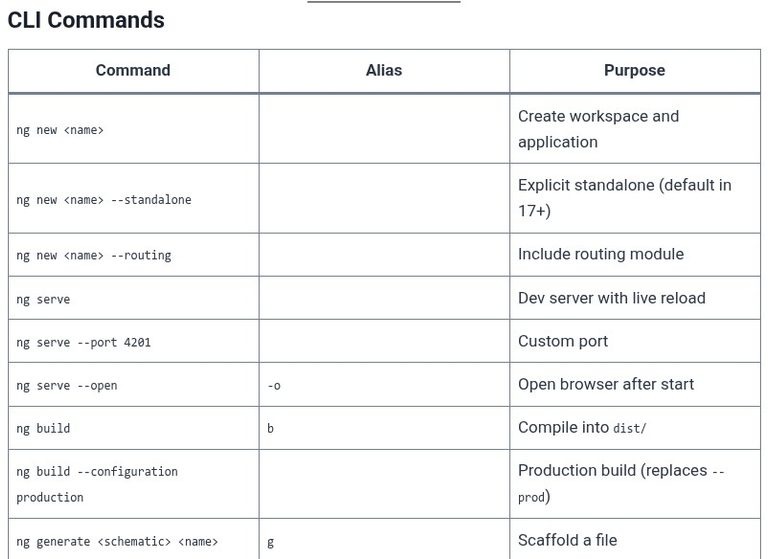
    This cheatsheet is a dense, practical reference for Angular’s core syntax, CLI commands, and modern reactive primitives. It prioritizes the features that appear most frequently in daily development—template binding, component configuration, signals, dependency injection, routing, forms, HTTP, and testing. It reflects Angular 17+ where standalone components are the default, built-in control flow blocks replace the…
    Read More Angular 132 🅰️ CheatsheetContinue

  • npm 10 🌐 Managing npm scripts (start, test, custom scripts)
    Programming | npm | Tools & Build Systems

    npm 10 🌐 Managing npm scripts (start, test, custom scripts)

    ByKandZ October 19, 2026October 19, 2026

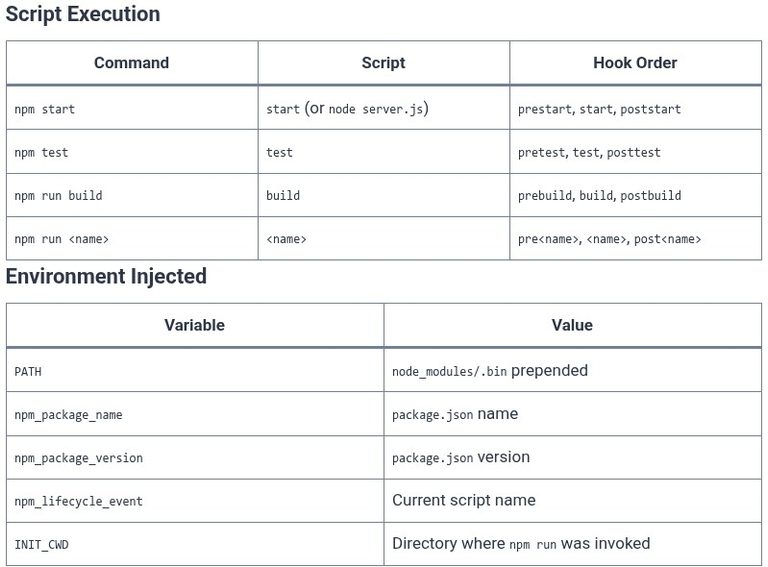
    An npm script is a named shell command stored in package.json and executed by npm with a modified environment. The modification is the point: npm prepends node_modules/.bin to the PATH before running the script, so any binary provided by a locally installed dependency can be invoked by name without the full path . This is…

    Read More npm 10 🌐 Managing npm scripts (start, test, custom scripts)Continue

  • npm 09 🌐 Running Executables with npx
    Programming | npm | Tools & Build Systems

    npm 09 🌐 Running Executables with npx

    ByKandZ October 19, 2026October 19, 2026

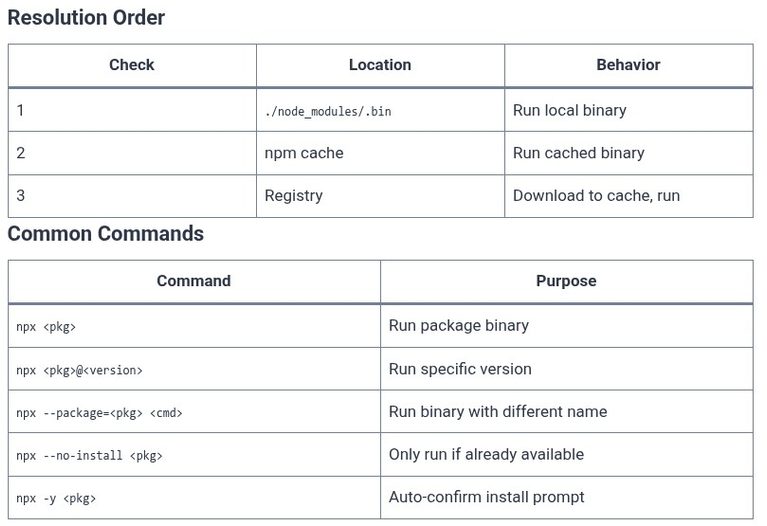
    npx is the command that resolves the tension between local and global installation. It runs a package’s binary without requiring a permanent install, checking first in the local node_modules/.bin, then in the npm cache, and downloading temporarily only if the binary is not found anywhere . The command ships with npm since version 5.2.0, so…

    Read More npm 09 🌐 Running Executables with npxContinue

  • npm 08 🌐 Global vs Local Package Installation (-g flag)
    Programming | npm | Tools & Build Systems

    npm 08 🌐 Global vs Local Package Installation (-g flag)

    ByKandZ October 19, 2026October 19, 2026

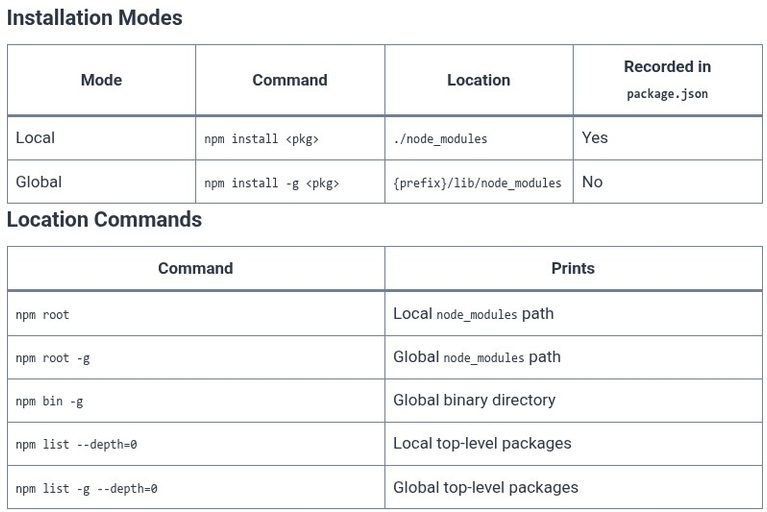
    npm installs packages in two locations, and the flag determines which one. A local install, the default, places the package in the node_modules folder of the current project and records it in package.json. A global install, triggered by -g or –global, places the package in a system-wide location (/usr/local/lib/node_modules on most Unix systems) and makes…

    Read More npm 08 🌐 Global vs Local Package Installation (-g flag)Continue

  • npm 07 🌐 package-lock.json vs package.json
    Programming | npm | Tools & Build Systems

    npm 07 🌐 package-lock.json vs package.json

    ByKandZ October 19, 2026October 19, 2026

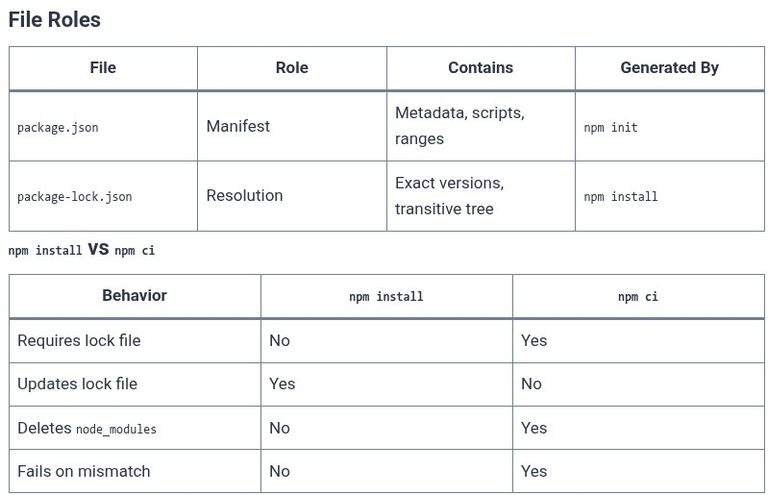
    The two files serve opposite purposes in the same dependency system. package.json is the manifest: it declares the project’s metadata, scripts, and the ranges of acceptable dependency versions. package-lock.json is the resolution: it records the exact version of every package that was actually installed, including transitive dependencies that package.json never mentions. The distinction matters because…

    Read More npm 07 🌐 package-lock.json vs package.jsonContinue

  • npm 06 🌐 Understanding Semantic Versioning (SemVer: Major, Minor, Patch)
    Programming | npm | Tools & Build Systems

    npm 06 🌐 Understanding Semantic Versioning (SemVer: Major, Minor, Patch)

    ByKandZ October 19, 2026October 19, 2026

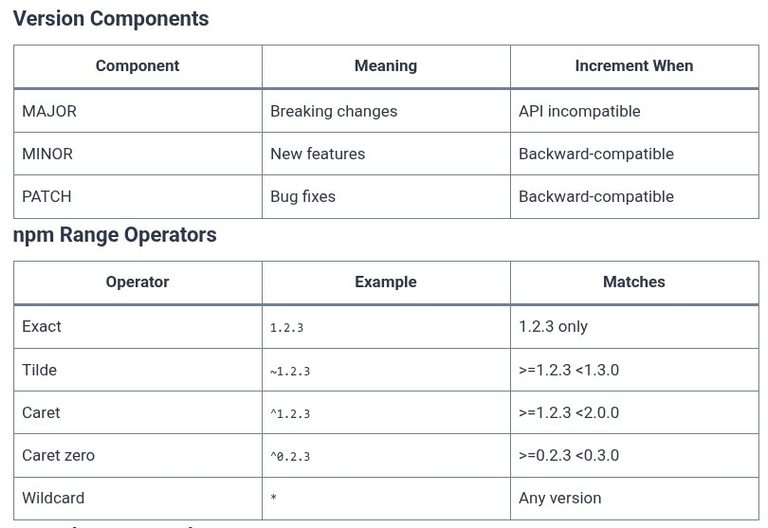
    Semantic Versioning is a formal specification for how version numbers are assigned and incremented. It exists because version numbers without a shared meaning are useless for dependency management: a consumer cannot look at 2.4.1 and know whether upgrading to 2.5.0 is safe, or whether 3.0.0 will break their code. SemVer solves this by tying each…

    Read More npm 06 🌐 Understanding Semantic Versioning (SemVer: Major, Minor, Patch)Continue

  • REST API 20 🌐 API Testing with Postman, Bruno, and cURL
    Servers & Self-Hosting | Networking & DNS | REST API

    REST API 20 🌐 API Testing with Postman, Bruno, and cURL

    ByKandZ October 19, 2026October 19, 2026

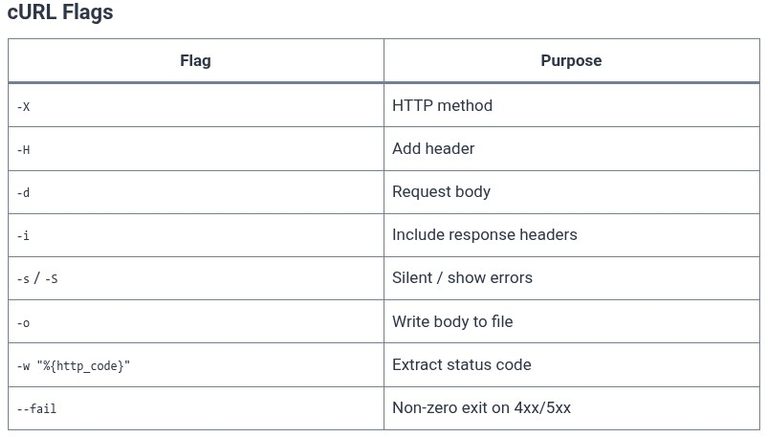
    API testing tools fall into three architectural categories, and the category determines what the tool is good at. cURL is a command-line primitive: a single binary that sends an HTTP request and prints the response. Postman is a cloud-first platform: collections sync to Postman’s servers, scripts run in a built-in JavaScript runtime, and the Collection…

    Read More REST API 20 🌐 API Testing with Postman, Bruno, and cURLContinue

  • REST API 19 🌐 Idempotency in Write Operations (Idempotency Keys)
    Servers & Self-Hosting | Networking & DNS | REST API

    REST API 19 🌐 Idempotency in Write Operations (Idempotency Keys)

    ByKandZ October 19, 2026October 19, 2026

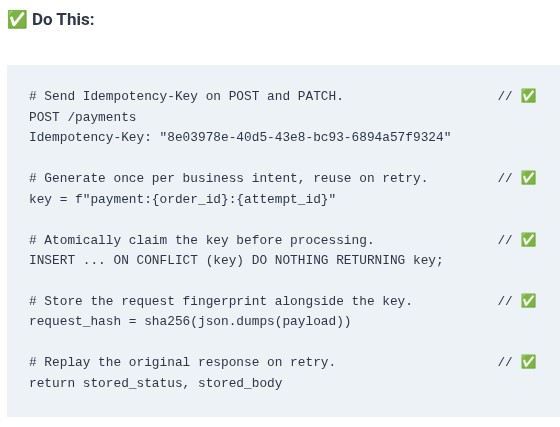
    A client sends POST /payments, the connection times out before the response arrives, and the client retries. Without an idempotency mechanism, the server processes both requests and charges the customer twice. The timeout does not mean the request failed—it means the outcome is unknown. The request may have never reached the server, it may have…

    Read More REST API 19 🌐 Idempotency in Write Operations (Idempotency Keys)Continue

  • REST API 18 🌐 API Versioning Strategies (URI, Query, Header, Content Negotiation)
    Servers & Self-Hosting | Networking & DNS | REST API

    REST API 18 🌐 API Versioning Strategies (URI, Query, Header, Content Negotiation)

    ByKandZ October 19, 2026October 19, 2026

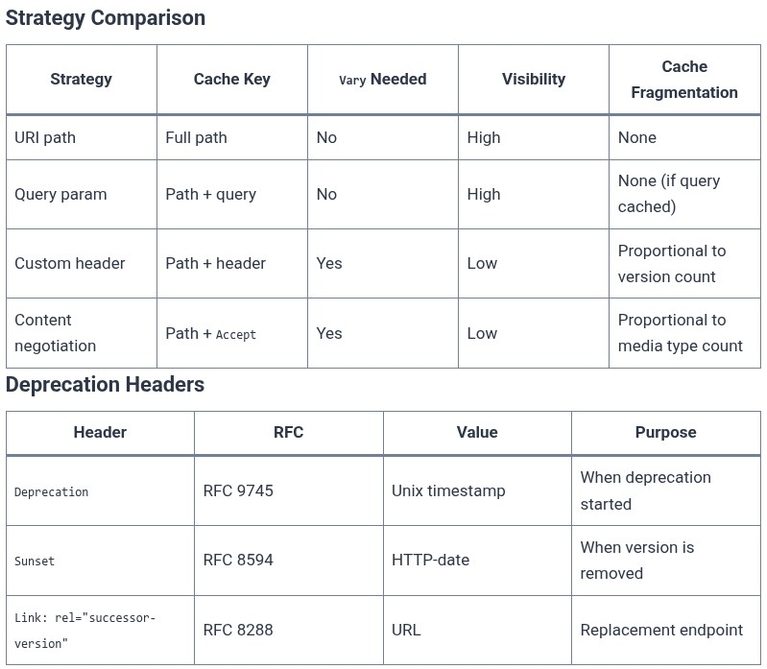
    Versioning is the contract that lets an API evolve without breaking every client at once. The four canonical strategies differ in where the version identifier lives: the URI path (/v1/users), the query string (?version=1), a custom header (X-API-Version: 1), or the Accept media type (application/vnd.example.v1+json). Each choice affects cacheability, discoverability, client complexity, and how cleanly…

    Read More REST API 18 🌐 API Versioning Strategies (URI, Query, Header, Content Negotiation)Continue

  • REST API 17 🌐 Caching Strategies (Cache-Control, ETag, Last-Modified)
    Servers & Self-Hosting | Networking & DNS | REST API

    REST API 17 🌐 Caching Strategies (Cache-Control, ETag, Last-Modified)

    ByKandZ October 19, 2026October 19, 2026

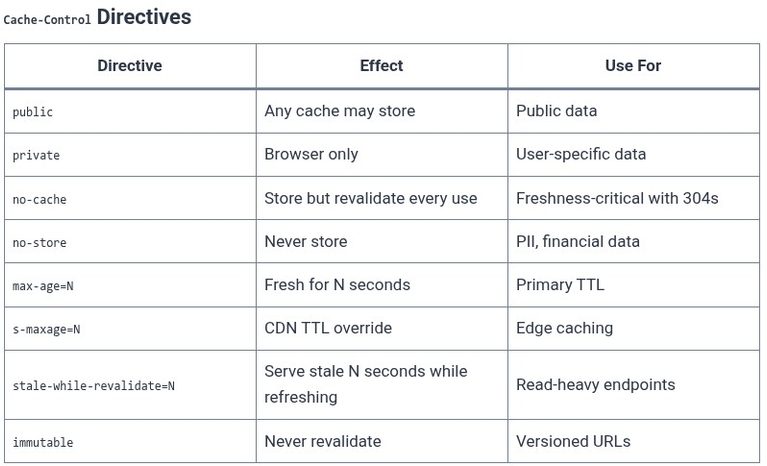
    HTTP caching is not a single header but a layered contract between the server, the client, and any intermediary caches. Cache-Control defines how long a response remains fresh and who may store it. ETag and Last-Modified define how to verify whether a stored response is still valid after freshness expires. The server that sends only…

    Read More REST API 17 🌐 Caching Strategies (Cache-Control, ETag, Last-Modified)Continue

Page navigation

Previous PagePrevious 1 … 54 55 56 57 58 … 260 Next PageNext
    Search