Skip to content

KandZ - Tuts

  • Operating Systems ▾
    • Linux ▾
      • Distros ▾
        • Fedora
        • Other Distros
        • Ubuntu
      • Gnome 48
      • KDE
      • LFCA - Linux Foundation Certified IT Associate
      • LFCS - Linux Foundation Certified Sysadmin
      • LFCE - Linux Foundation Certified Engineer (Sysadmin + Network Admin)
      • Linux CLI
      • Various
      • Bash Scripting
  • Paths ▾
    • Core Web Stack
    • React & Modern UI Stack
    • Linux Core
  • Programming ▾
    • Frontend (FED) ▾
      • React Ecosystem ▾
        • React
        • React Router
        • TanStack Router
        • TanStack Query (React Query)
        • Zustand
        • Redux Toolkit
      • Angular Ecosystem ▾
        • Angular
      • Vue Ecosystem ▾
        • Vue.js
      • Styling & UI Components ▾
        • Tailwind CSS
    • Languages & Runtimes ▾
      • CSS
      • Dart
      • HTML
      • JavaScript
      • Node.js
      • Rust
      • SQL
      • TypeScript
    • Tools & Build Systems ▾
      • Version Control ▾
        • GitHub
        • Git
        • GitLab
      • Package Managers ▾
        • npm
        • Bun
        • yarn
        • pnpm
      • DevOps & Containers ▾
        • Docker
  • Servers & Self-Hosting ▾
    • Internet ▾
      • Internet Backend - Coming Soon
      • Internet Beginner
      • Internet Frontend - Coming Soon
    • Networking & DNS ▾
      • REST API
  • Tools
  • Windows ▾
    • Windows 11
KandZ - Tuts
AngularBunCSSDartDockerGitGitHubGitLabHTMLJavaScriptNode.jsnpmpnpmReactReact RouterRedux ToolkitRustSQLTailwind CSSTanStack Query (React Query)TanStack RouterTypeScriptVue.jsyarnZustandBash ScriptingFedoraGnome 48KDELFCA - Linux Foundation Certified IT AssociateLFCE - Linux Foundation Certified Engineer (Sysadmin + Network Admin)LFCS - Linux Foundation Certified SysadminLinux CLIOther DistrosUbuntuVariousCore Web StackInternet Backend - Coming SoonInternet BeginnerInternet Frontend - Coming SoonLinux CoreReact & Modern UI StackREST APIToolsWindows 11
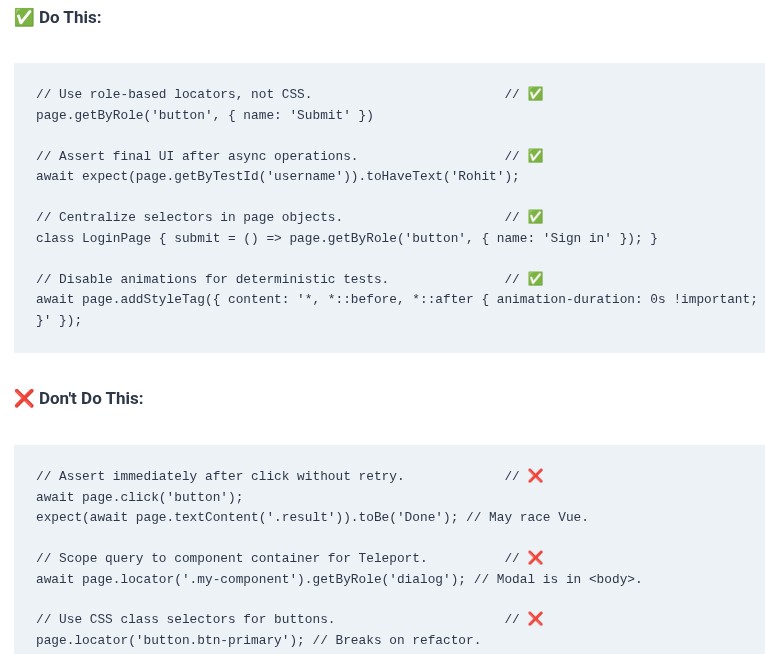
  • Vue.js 71 🟢 End-to-End (E2E) Testing Vue Applications with Playwright or Cypress
    Programming | Frontend (FED) | Vue.js

    Vue.js 71 🟢 End-to-End (E2E) Testing Vue Applications with Playwright or Cypress

    ByKandZ October 19, 2026October 19, 2026

    Vue’s reactivity model creates a specific challenge for end-to-end testing: the DOM changes after the test acts, not during. A click triggers a reactive state update, which schedules a re-render, which may trigger a router navigation, which may trigger an async data fetch, which may trigger another re-render. Tests that assert immediately after an action…
    Read More Vue.js 71 🟢 End-to-End (E2E) Testing Vue Applications with Playwright or CypressContinue

  • Docker 85 🐳 CI/CD Pipeline Caching: GitHub Actions Cache Layer Optimization for Docker
    Programming | Docker | Tools & Build Systems

    Docker 85 🐳 CI/CD Pipeline Caching: GitHub Actions Cache Layer Optimization for Docker

    ByKandZ October 19, 2026October 19, 2026

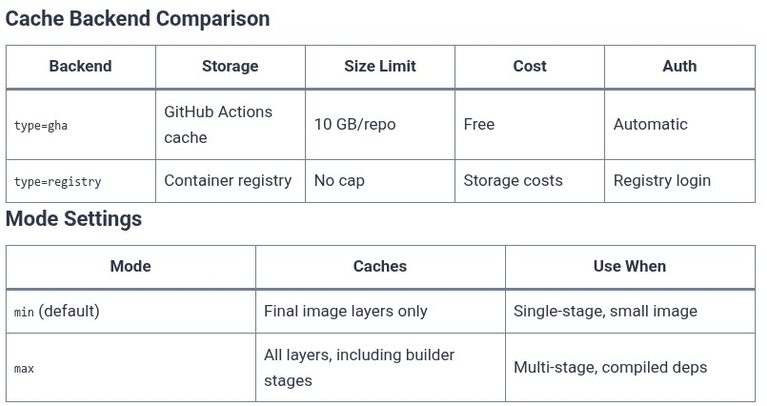
    The difference between a Docker CI pipeline that finishes in thirty seconds and one that takes four minutes is almost never the code. It is whether the layer cache survived from the previous run. GitHub-hosted runners are ephemeral: every job starts with an empty filesystem, and BuildKit’s local cache—the default mechanism that makes local builds…

    Read More Docker 85 🐳 CI/CD Pipeline Caching: GitHub Actions Cache Layer Optimization for DockerContinue

  • Docker 84 🐳 Continuous Integration Pipelines: Building and Testing Docker Images in GitHub Actions
    Programming | Docker | Tools & Build Systems

    Docker 84 🐳 Continuous Integration Pipelines: Building and Testing Docker Images in GitHub Actions

    ByKandZ October 19, 2026October 19, 2026

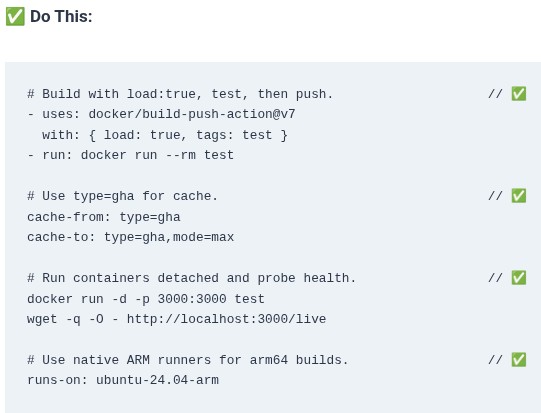
    A CI pipeline for Docker images is not a single build step. It is a sequence of decisions: build the image without pushing, run the container to verify it starts, check a health endpoint, then rebuild with the same cache and push the tested artifact. GitHub Actions provides the primitives for this sequence through Docker’s…

    Read More Docker 84 🐳 Continuous Integration Pipelines: Building and Testing Docker Images in GitHub ActionsContinue

  • Docker 83 🐳 Local Development Stacks: Dev Containers (.devcontainer) and VS Code Integration
    Programming | Docker | Tools & Build Systems

    Docker 83 🐳 Local Development Stacks: Dev Containers (.devcontainer) and VS Code Integration

    ByKandZ October 19, 2026October 19, 2026

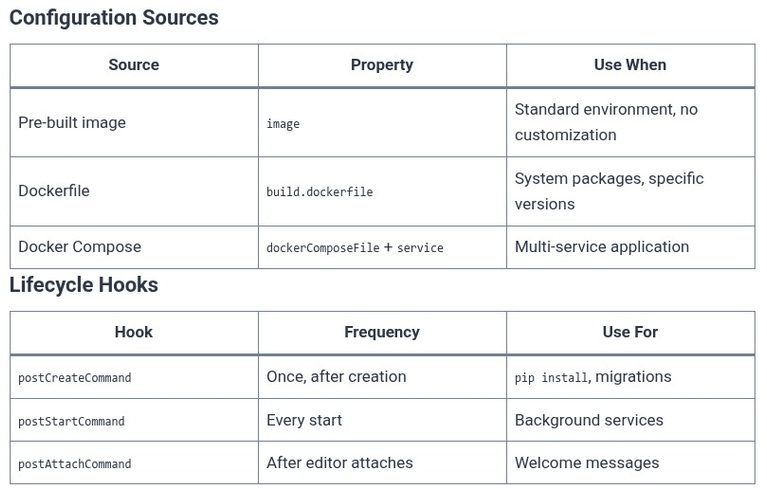
    A Dev Container is not a production image with debugging tools bolted on. It is a separate artifact defined by a structured metadata file—devcontainer.json—that tells the editor how to build, start, and configure a containerized workspace . The distinction matters: production images should be minimal and hardened; development images should include compilers, debuggers, language servers,…

    Read More Docker 83 🐳 Local Development Stacks: Dev Containers (.devcontainer) and VS Code IntegrationContinue

  • Docker 82 🐳 Containerizing Compiled Applications: Go, Rust, and C++ Binaries
    Programming | Docker | Tools & Build Systems

    Docker 82 🐳 Containerizing Compiled Applications: Go, Rust, and C++ Binaries

    ByKandZ October 19, 2026October 19, 2026

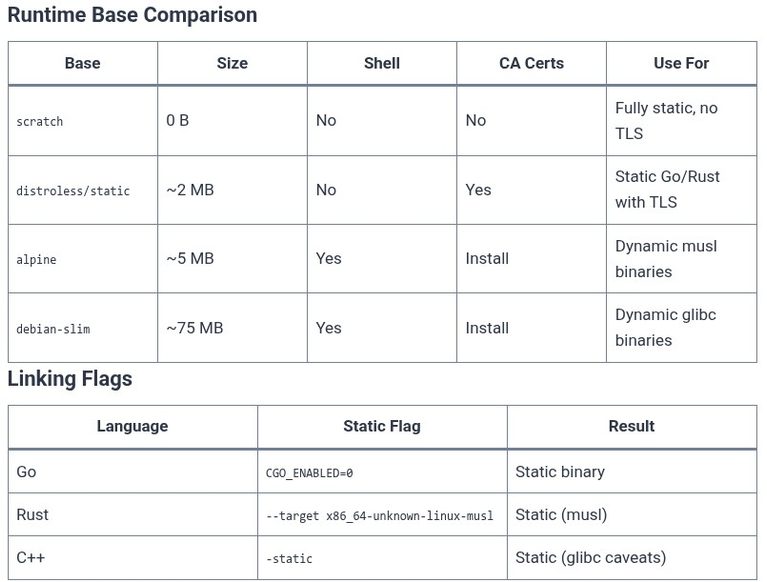
    Compiled languages produce a single artifact that either runs or does not. There is no interpreter, no virtual environment, no dependency resolution at startup. This property makes them ideal candidates for minimal container images: the build stage can be heavy, but the runtime stage needs only the binary and whatever shared libraries it dynamically links…

    Read More Docker 82 🐳 Containerizing Compiled Applications: Go, Rust, and C++ BinariesContinue

  • Docker 81 🐳 Containerizing Python, FastAPI, and Django Applications with Gunicorn/Uvicorn
    Programming | Docker | Tools & Build Systems

    Docker 81 🐳 Containerizing Python, FastAPI, and Django Applications with Gunicorn/Uvicorn

    ByKandZ October 19, 2026October 19, 2026

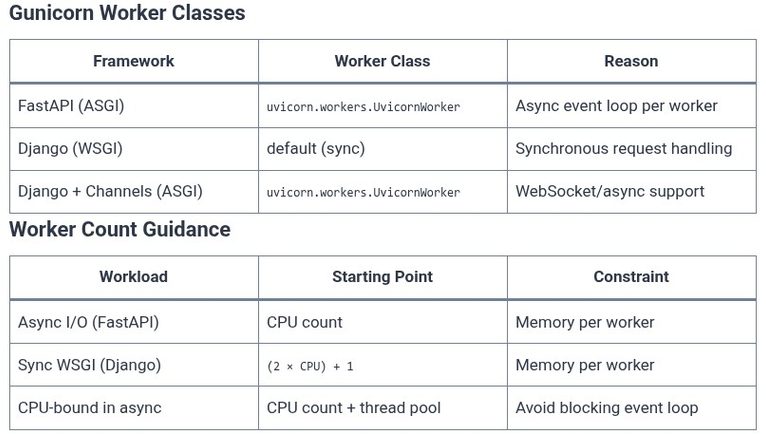
    A Python web application in a container is only as good as its process model. Running uvicorn main:app inside a Docker image works for development, but it leaves every CPU core beyond the first idle and provides no process supervision when a worker crashes. The production pattern pairs a process manager (Gunicorn) with an async…

    Read More Docker 81 🐳 Containerizing Python, FastAPI, and Django Applications with Gunicorn/UvicornContinue

  • Rust 85 🦀 High-Performance REST API Servers (axum and actix-web)
    Programming | Languages & Runtimes | Rust

    Rust 85 🦀 High-Performance REST API Servers (axum and actix-web)

    ByKandZ October 19, 2026October 19, 2026

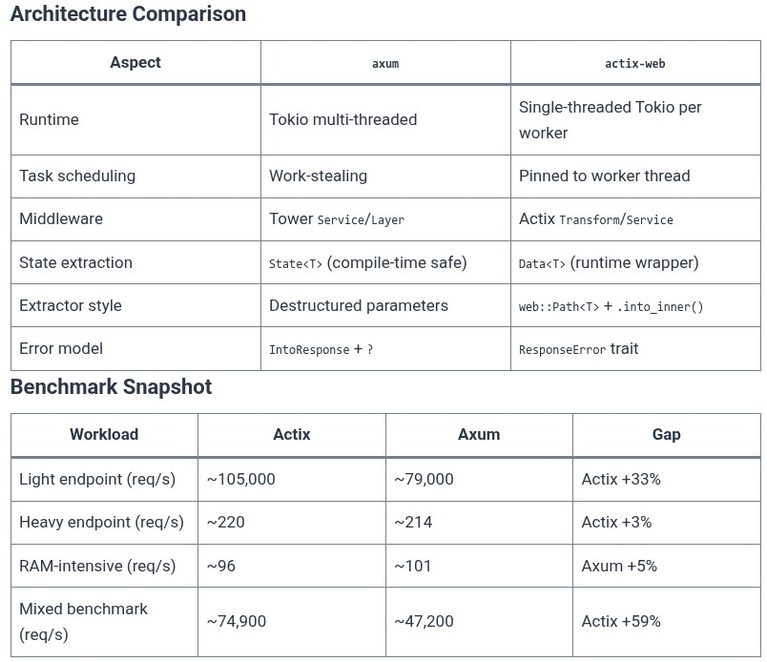
    Rust’s two dominant web frameworks approach the same problem from opposite architectural directions. actix-web inherits the actor model from its actix runtime: each worker is a single-threaded Tokio runtime pinned to a thread, tasks stay on their worker, and communication happens through typed messages . axum is built directly on Tokio and the Tower ecosystem:…

    Read More Rust 85 🦀 High-Performance REST API Servers (axum and actix-web)Continue

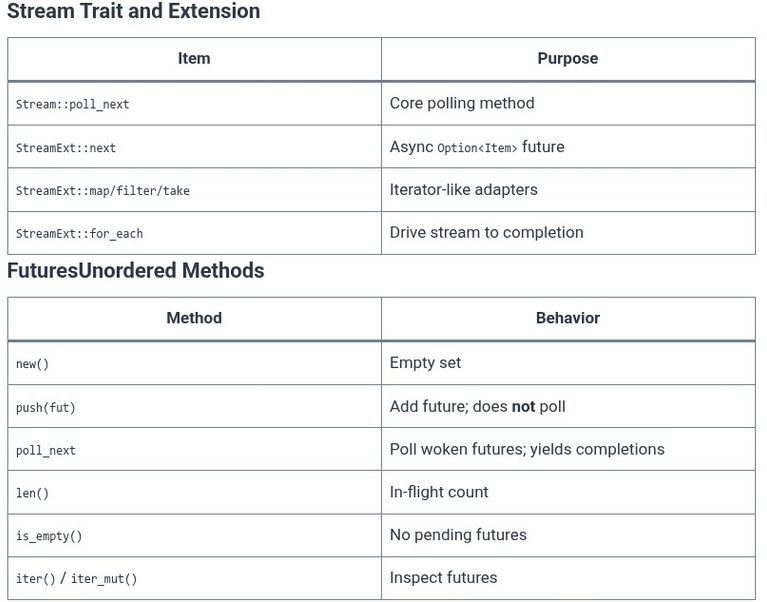
  • Rust 84 🦀 Streams API for Asynchronous Data Sequences (FuturesUnordered)
    Programming | Languages & Runtimes | Rust

    Rust 84 🦀 Streams API for Asynchronous Data Sequences (FuturesUnordered)

    ByKandZ October 19, 2026October 19, 2026

    Rust’s Stream trait is the asynchronous counterpart of Iterator: where an iterator produces values synchronously on demand, a stream produces values over time, yielding Poll::Pending when no value is ready and waking the task when one arrives. This abstraction covers channels, network data, file chunks, and any source that emits items asynchronously. But streams alone…

    Read More Rust 84 🦀 Streams API for Asynchronous Data Sequences (FuturesUnordered)Continue

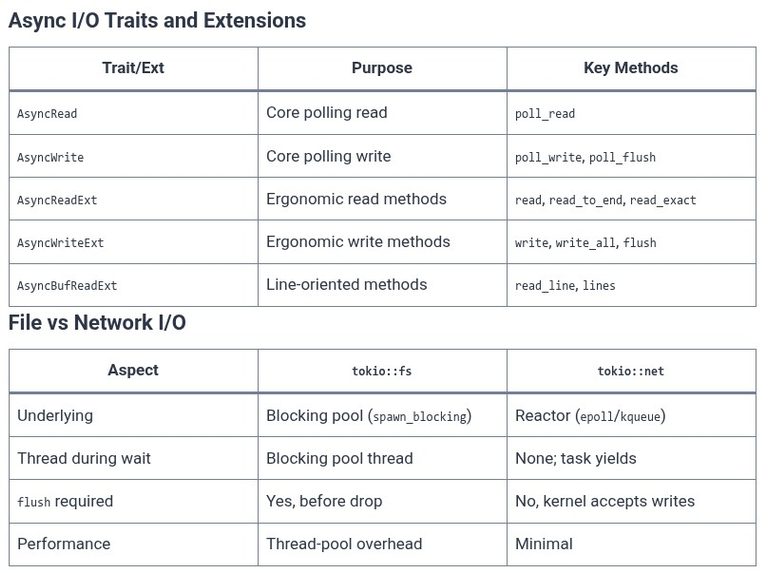
  • Rust 83 🦀 Asynchronous I/O Operations and File System Handling
    Programming | Languages & Runtimes | Rust

    Rust 83 🦀 Asynchronous I/O Operations and File System Handling

    ByKandZ October 19, 2026October 19, 2026

    Rust’s async I/O model rests on a distinction that surprises many newcomers: file system operations are not truly asynchronous on most operating systems. Tokio’s fs module provides an async interface, but behind the scenes it dispatches blocking std::fs calls to a dedicated thread pool via spawn_blocking . Network I/O, by contrast, is genuinely asynchronous: sockets…

    Read More Rust 83 🦀 Asynchronous I/O Operations and File System HandlingContinue

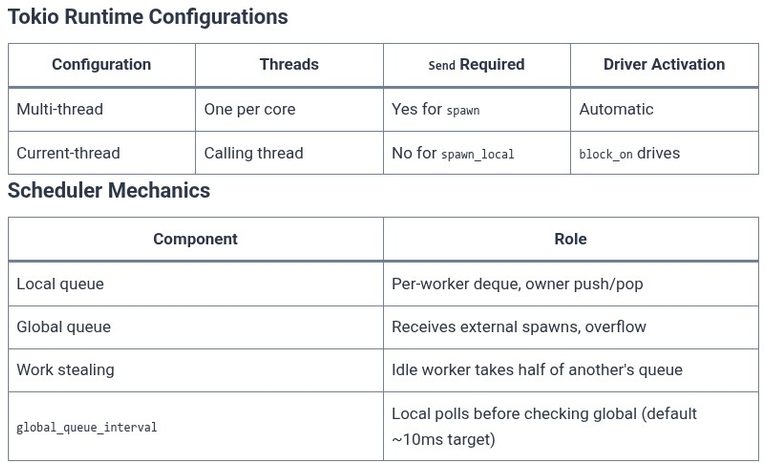
  • Rust 82 🦀 Async Runtimes Architecture (Tokio and async-std)
    Programming | Languages & Runtimes | Rust

    Rust 82 🦀 Async Runtimes Architecture (Tokio and async-std)

    ByKandZ October 19, 2026October 19, 2026

    Rust’s language-level async model stops at the Future trait. Everything that actually makes futures run—the task queues, the worker threads, the I/O event loop, the timer wheel—lives in external crates. Two runtimes dominate the conversation: Tokio, the ecosystem’s de facto standard, and async-std, a design that mirrors the standard library’s API. They share the same…

    Read More Rust 82 🦀 Async Runtimes Architecture (Tokio and async-std)Continue

Page navigation

Previous PagePrevious 1 … 56 57 58 59 60 … 260 Next PageNext
    Search