Skip to content

KandZ - Tuts

  • Operating Systems ▾
    • Linux ▾
      • Distros ▾
        • Fedora
        • Other Distros
        • Ubuntu
      • Gnome 48
      • KDE
      • LFCA - Linux Foundation Certified IT Associate
      • LFCS - Linux Foundation Certified Sysadmin
      • LFCE - Linux Foundation Certified Engineer (Sysadmin + Network Admin)
      • Linux CLI
      • Various
      • Bash Scripting
  • Paths ▾
    • Core Web Stack
    • React & Modern UI Stack
    • Linux Core
  • Programming ▾
    • Frontend (FED) ▾
      • React Ecosystem ▾
        • React
        • React Router
        • TanStack Router
        • TanStack Query (React Query)
        • Zustand
        • Redux Toolkit
      • Angular Ecosystem ▾
        • Angular
      • Vue Ecosystem ▾
        • Vue.js
      • Styling & UI Components ▾
        • Tailwind CSS
    • Languages & Runtimes ▾
      • CSS
      • Dart
      • HTML
      • JavaScript
      • Node.js
      • Rust
      • SQL
      • TypeScript
    • Tools & Build Systems ▾
      • Version Control ▾
        • GitHub
        • Git
        • GitLab
      • Package Managers ▾
        • npm
        • Bun
        • yarn
        • pnpm
      • DevOps & Containers ▾
        • Docker
  • Servers & Self-Hosting ▾
    • Internet ▾
      • Internet Backend - Coming Soon
      • Internet Beginner
      • Internet Frontend - Coming Soon
    • Networking & DNS ▾
      • REST API
  • Tools
  • Windows ▾
    • Windows 11
KandZ - Tuts
AngularBunCSSDartDockerGitGitHubGitLabHTMLJavaScriptNode.jsnpmpnpmReactReact RouterRedux ToolkitRustSQLTailwind CSSTanStack Query (React Query)TanStack RouterTypeScriptVue.jsyarnZustandBash ScriptingFedoraGnome 48KDELFCA - Linux Foundation Certified IT AssociateLFCE - Linux Foundation Certified Engineer (Sysadmin + Network Admin)LFCS - Linux Foundation Certified SysadminLinux CLIOther DistrosUbuntuVariousCore Web StackInternet Backend - Coming SoonInternet BeginnerInternet Frontend - Coming SoonLinux CoreReact & Modern UI StackREST APIToolsWindows 11
  • Rust 81 🦀 Async/Await Syntax and Execution Flow
    Programming | Languages & Runtimes | Rust

    Rust 81 🦀 Async/Await Syntax and Execution Flow

    ByKandZ October 19, 2026October 19, 2026

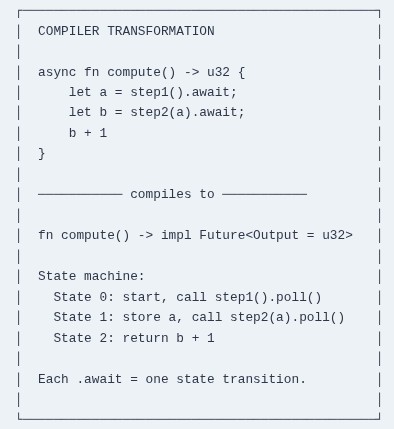
    Rust’s async/await syntax looks familiar to anyone who has written asynchronous code in JavaScript or C#, but the execution model underneath is fundamentally different. In most languages, async is built into the runtime: the language ships with an executor, and await hands control to that executor. Rust does not bundle a runtime at all. The…
    Read More Rust 81 🦀 Async/Await Syntax and Execution FlowContinue

  • Dart 85 🎯 Secure Data Hashing and Encryption using package:crypto and package:encrypt
    Programming | Dart | Languages & Runtimes

    Dart 85 🎯 Secure Data Hashing and Encryption using package:crypto and package:encrypt

    ByKandZ October 19, 2026October 19, 2026

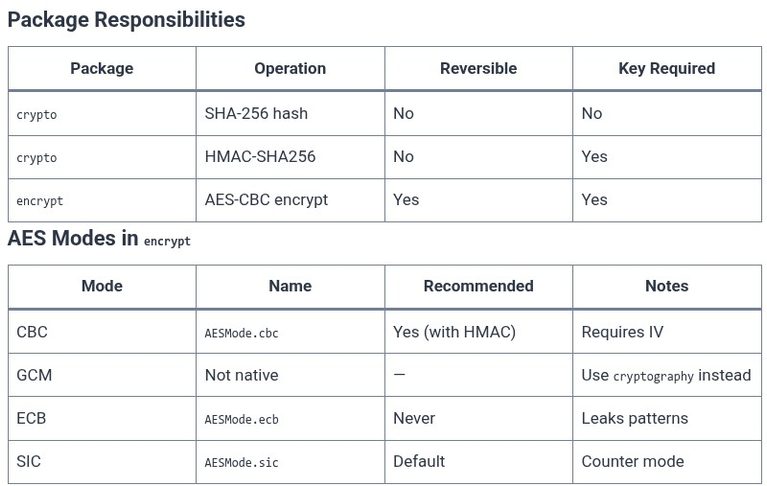
    Dart’s cryptographic ecosystem splits along a clean line: hashing and encryption are different operations with different packages, and confusing them produces insecure code. The crypto package provides one-way hash functions—SHA-256, HMAC—that cannot be reversed. The encrypt package provides two-way symmetric encryption built on PointyCastle, primarily AES with PKCS7 padding . Neither package is a complete…

    Read More Dart 85 🎯 Secure Data Hashing and Encryption using package:crypto and package:encryptContinue

  • Dart 84 🎯 Security Best Practices: Obfuscation, Cryptography, and Key Storage
    Programming | Dart | Languages & Runtimes

    Dart 84 🎯 Security Best Practices: Obfuscation, Cryptography, and Key Storage

    ByKandZ October 19, 2026October 19, 2026

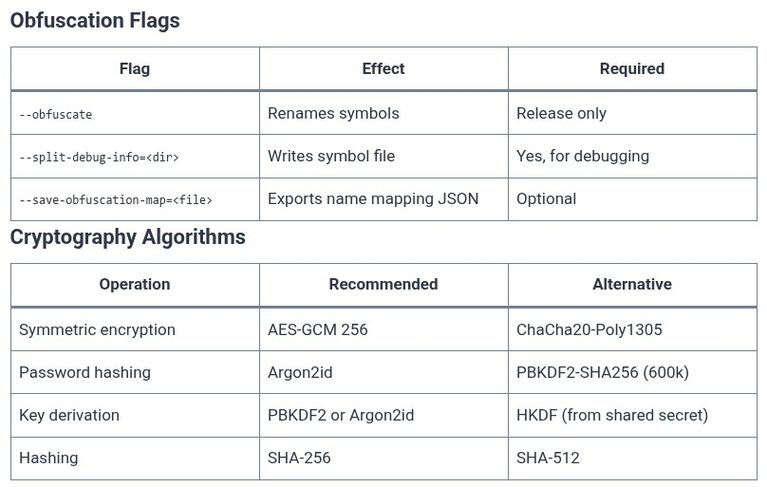
    Dart’s security model forces a distinction that many developers learn the hard way: obfuscation is not encryption, and client-side secrets are never truly secret. Flutter’s obfuscation tool renames symbols to make reverse engineering tedious, but it explicitly does not encrypt resources or protect against a determined attacker . Any key compiled into a binary—even an…

    Read More Dart 84 🎯 Security Best Practices: Obfuscation, Cryptography, and Key StorageContinue

  • Dart 83 🎯 Optimizing Tree Shaking and Reducing AOT Binary Snapshot Size
    Programming | Dart | Languages & Runtimes

    Dart 83 🎯 Optimizing Tree Shaking and Reducing AOT Binary Snapshot Size

    ByKandZ October 19, 2026October 19, 2026

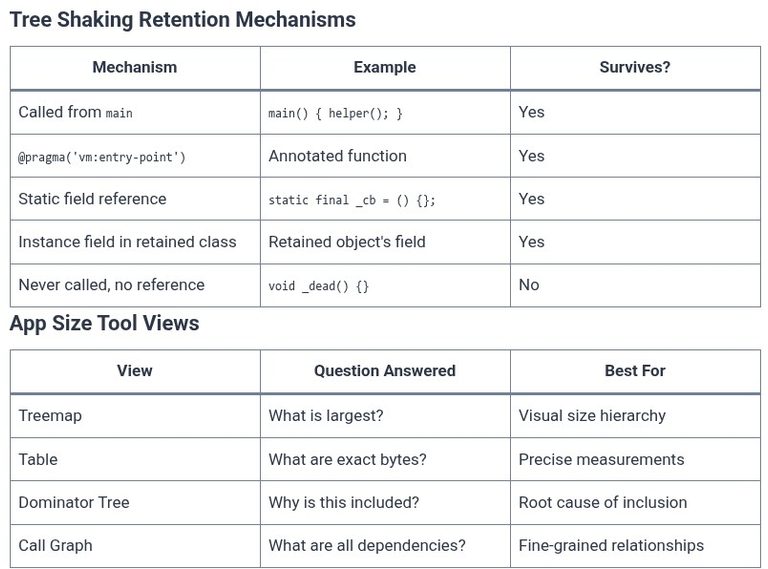
    Tree shaking is the Dart AOT compiler’s mechanism for removing code that cannot be reached from any entry point. It is not an optional optimization you enable; it runs automatically in profile and release builds, and it is the primary reason a Flutter release binary is orders of magnitude smaller than the sum of every…

    Read More Dart 83 🎯 Optimizing Tree Shaking and Reducing AOT Binary Snapshot SizeContinue

  • Dart 82 🎯 Memory Leak Detection and Tracking Uncollected Objects
    Programming | Dart | Languages & Runtimes

    Dart 82 🎯 Memory Leak Detection and Tracking Uncollected Objects

    ByKandZ October 19, 2026October 19, 2026

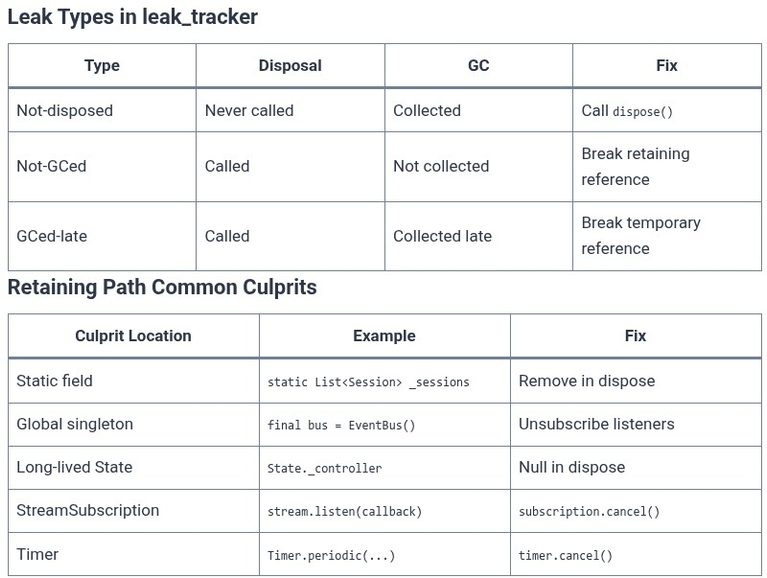
    A memory leak in Dart is not an object that was never freed by the garbage collector. It is an object that remains reachable from a GC root long after the application has stopped needing it. The garbage collector does its job perfectly: it collects everything unreachable. The leak exists because something still references the…

    Read More Dart 82 🎯 Memory Leak Detection and Tracking Uncollected ObjectsContinue

  • Dart 81 🎯 Profiling Dart Applications with DevTools: CPU Profiler and Memory Snapshots
    Programming | Dart | Languages & Runtimes

    Dart 81 🎯 Profiling Dart Applications with DevTools: CPU Profiler and Memory Snapshots

    ByKandZ October 19, 2026October 19, 2026

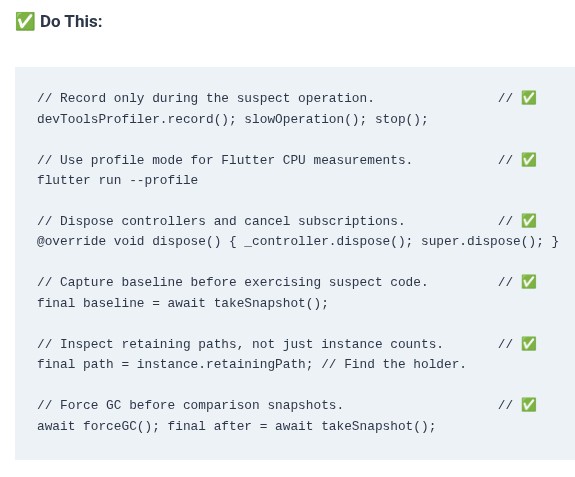
    Dart DevTools is a suite of debugging and performance tools that ships with the Dart SDK. When your application feels sluggish, consumes too much memory, or exhibits behavior that cannot be explained by reading source code alone, DevTools provides the observational instruments you need to see what the Dart VM is actually doing at runtime….

    Read More Dart 81 🎯 Profiling Dart Applications with DevTools: CPU Profiler and Memory SnapshotsContinue

  • React 90 ⚛️ Server Components vs Client Components Rules
    Programming | Frontend (FED) | React

    React 90 ⚛️ Server Components vs Client Components Rules

    ByKandZ October 19, 2026October 19, 2026

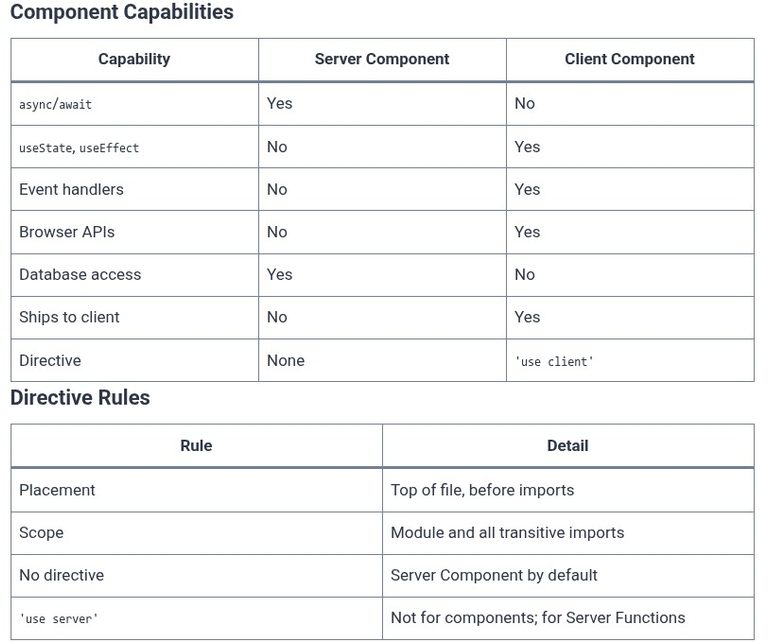
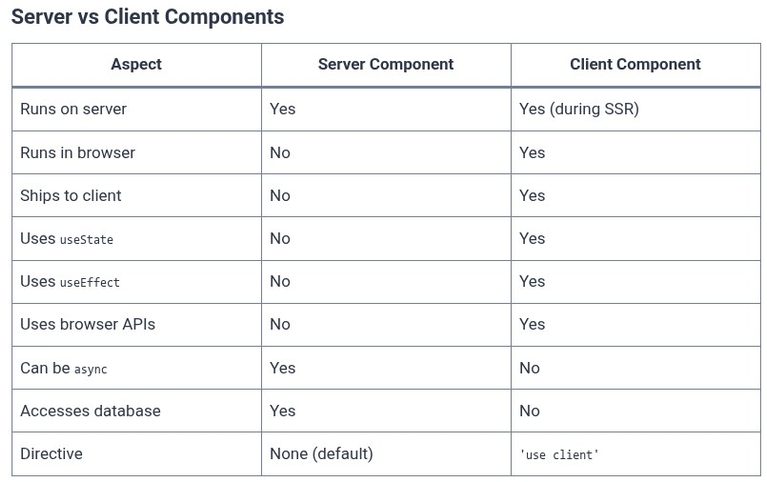
    The rules that separate Server Components from Client Components are not stylistic guidelines. They are enforced by the compiler, the bundler, and the React runtime, and violating them produces build errors or serialization exceptions. The core rule is deceptively simple: a component is a Server Component by default, and it becomes a Client Component only…

    Read More React 90 ⚛️ Server Components vs Client Components RulesContinue

  • React 89 ⚛️ React Server Components (RSC) Architecture
    Programming | Frontend (FED) | React

    React 89 ⚛️ React Server Components (RSC) Architecture

    ByKandZ October 19, 2026October 19, 2026

    React Server Components are not a rendering mode. They are a new kind of component. A Server Component runs ahead of time, in an environment separate from the client application and separate from the traditional SSR server, and its code never ships to the browser . That separation is the architectural core. The component can…

    Read More React 89 ⚛️ React Server Components (RSC) ArchitectureContinue

  • React 88 ⚛️ Server-Side Rendering (SSR) vs Static Site Generation (SSG)
    Programming | Frontend (FED) | React

    React 88 ⚛️ Server-Side Rendering (SSR) vs Static Site Generation (SSG)

    ByKandZ October 19, 2026October 19, 2026

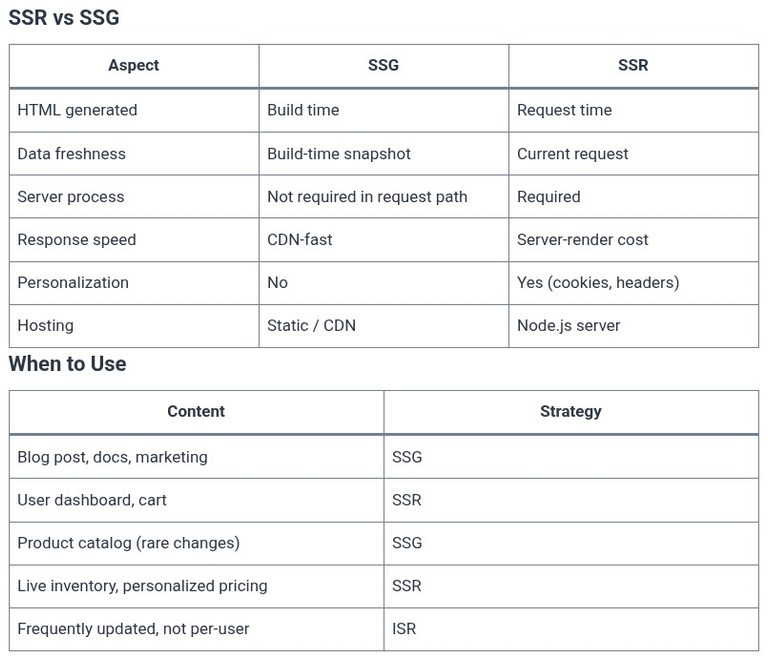
    The difference between SSR and SSG is not about the code you write. It is about when the HTML is generated. In both cases, React components render on a server, the output is HTML, and the browser receives a page that is already populated with content before any JavaScript runs. The distinction is the trigger:…

    Read More React 88 ⚛️ Server-Side Rendering (SSR) vs Static Site Generation (SSG)Continue

  • React 87 ⚛️ End-to-End Testing React Apps with Playwright
    Programming | Frontend (FED) | React

    React 87 ⚛️ End-to-End Testing React Apps with Playwright

    ByKandZ October 19, 2026October 19, 2026

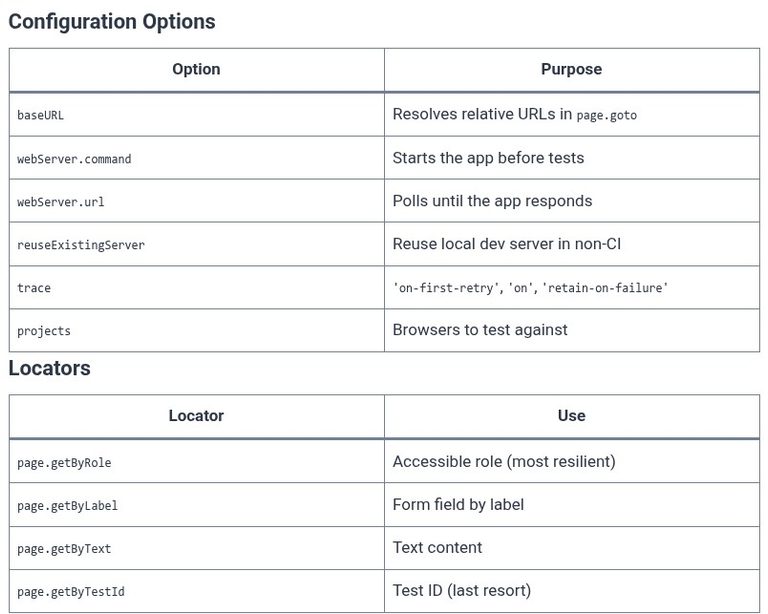
    End-to-end testing is the only layer of the test pyramid that exercises the entire application the way a user does: the browser loads the real bundle, the real router resolves the real URL, the real API calls go over the network, and the real DOM is asserted on after the real React render cycle. Unit…

    Read More React 87 ⚛️ End-to-End Testing React Apps with PlaywrightContinue

Page navigation

Previous PagePrevious 1 … 57 58 59 60 61 … 260 Next PageNext
    Search