Skip to content

KandZ - Tuts

  • Operating Systems ▾
    • Linux ▾
      • Distros ▾
        • Fedora
        • Other Distros
        • Ubuntu
      • Gnome 48
      • KDE
      • LFCA - Linux Foundation Certified IT Associate
      • LFCS - Linux Foundation Certified Sysadmin
      • LFCE - Linux Foundation Certified Engineer (Sysadmin + Network Admin)
      • Linux CLI
      • Various
      • Bash Scripting
  • Paths ▾
    • Core Web Stack
    • React & Modern UI Stack
    • Linux Core
  • Programming ▾
    • Frontend (FED) ▾
      • React Ecosystem ▾
        • React
        • React Router
        • TanStack Router
        • TanStack Query (React Query)
        • Zustand
        • Redux Toolkit
      • Angular Ecosystem ▾
        • Angular
      • Vue Ecosystem ▾
        • Vue.js
      • Styling & UI Components ▾
        • Tailwind CSS
    • Languages & Runtimes ▾
      • CSS
      • Dart
      • HTML
      • JavaScript
      • Node.js
      • Rust
      • SQL
      • TypeScript
    • Tools & Build Systems ▾
      • Version Control ▾
        • GitHub
        • Git
        • GitLab
      • Package Managers ▾
        • npm
        • Bun
        • yarn
        • pnpm
      • DevOps & Containers ▾
        • Docker
  • Servers & Self-Hosting ▾
    • Internet ▾
      • Internet Backend - Coming Soon
      • Internet Beginner
      • Internet Frontend - Coming Soon
    • Networking & DNS ▾
      • REST API
  • Tools
  • Windows ▾
    • Windows 11
KandZ - Tuts
AngularBunCSSDartDockerGitGitHubGitLabHTMLJavaScriptNode.jsnpmpnpmReactReact RouterRedux ToolkitRustSQLTailwind CSSTanStack Query (React Query)TanStack RouterTypeScriptVue.jsyarnZustandBash ScriptingFedoraGnome 48KDELFCA - Linux Foundation Certified IT AssociateLFCE - Linux Foundation Certified Engineer (Sysadmin + Network Admin)LFCS - Linux Foundation Certified SysadminLinux CLIOther DistrosUbuntuVariousCore Web StackInternet Backend - Coming SoonInternet BeginnerInternet Frontend - Coming SoonLinux CoreReact & Modern UI StackREST APIToolsWindows 11
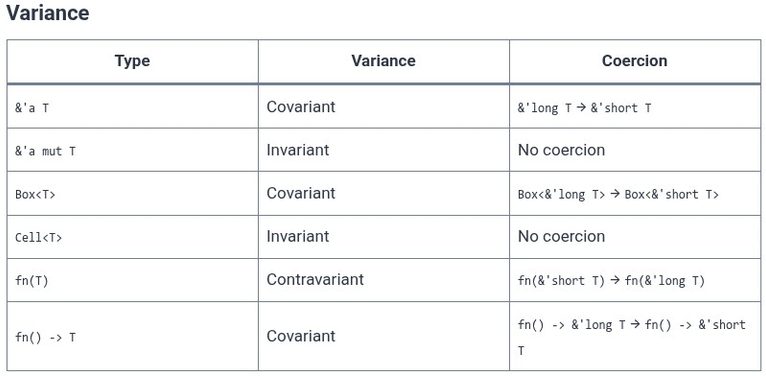
  • Rust 73 🦀 Advanced Lifetimes: Lifetime Subtyping and Bounds
    Programming | Languages & Runtimes | Rust

    Rust 73 🦀 Advanced Lifetimes: Lifetime Subtyping and Bounds

    ByKandZ October 18, 2026October 18, 2026

    Lifetimes are Rust’s mechanism for tracking how long references remain valid. The basic rules—every reference has a lifetime, the compiler infers them where possible, and explicit annotations are needed when the relationship between input and output lifetimes is ambiguous—are covered in any introduction to the language. The advanced material is about what happens when lifetimes…
    Read More Rust 73 🦀 Advanced Lifetimes: Lifetime Subtyping and BoundsContinue

  • Rust 72 🦀 Type Sizing: Sized vs Unsized Types (?Sized Bound)
    Programming | Languages & Runtimes | Rust

    Rust 72 🦀 Type Sizing: Sized vs Unsized Types (?Sized Bound)

    ByKandZ October 18, 2026October 18, 2026

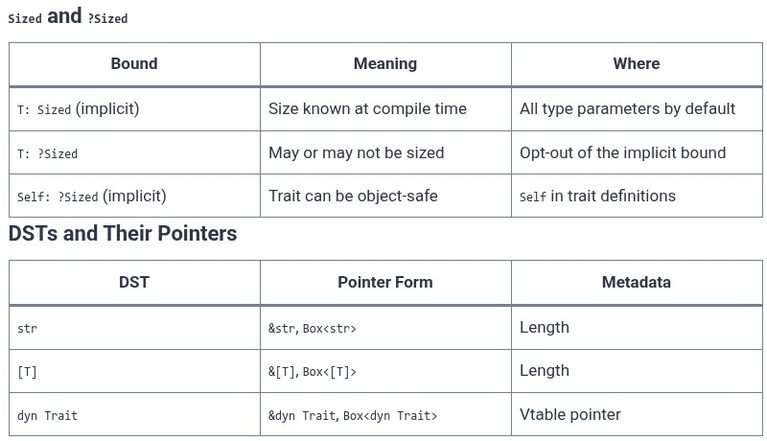
    Rust’s type system requires that every value have a size known at compile time. This is not an arbitrary restriction—it is what allows the compiler to allocate stack space, pass arguments by value, and lay out struct fields. The Sized marker trait is how the compiler encodes this requirement . Every type parameter in a…

    Read More Rust 72 🦀 Type Sizing: Sized vs Unsized Types (?Sized Bound)Continue

  • Rust 71 🦀 Operator Overloading via std::ops Traits
    Programming | Languages & Runtimes | Rust

    Rust 71 🦀 Operator Overloading via std::ops Traits

    ByKandZ October 18, 2026October 18, 2026

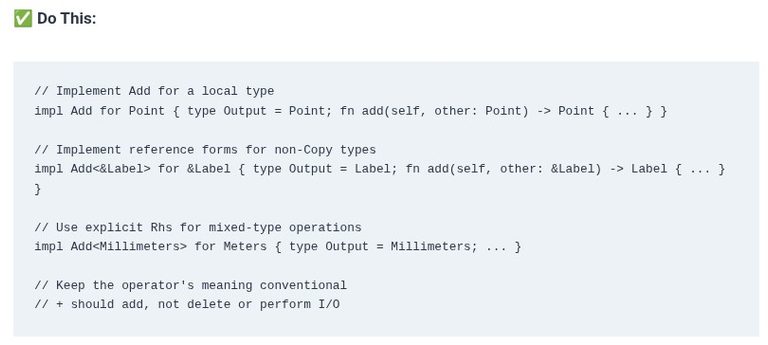
    Rust does not allow you to invent new operators or overload arbitrary syntax. What it allows is a carefully bounded form of operator overloading: certain operators are tied to specific traits in std::ops, and implementing those traits for your type defines what the operator means for that type . The + operator is syntactic sugar…

    Read More Rust 71 🦀 Operator Overloading via std::ops TraitsContinue

  • Dart 75 🎯 Middleware Pipeline Design in Shelf-based Backend Services
    Programming | Dart | Languages & Runtimes

    Dart 75 🎯 Middleware Pipeline Design in Shelf-based Backend Services

    ByKandZ October 18, 2026October 18, 2026

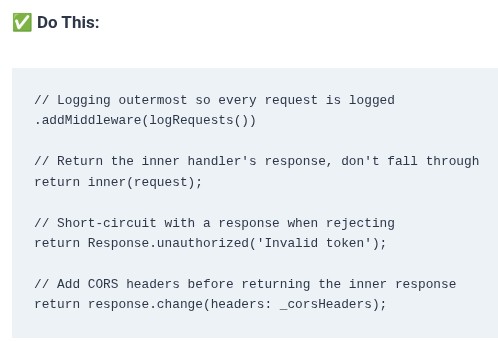
    The middleware pipeline is the architectural spine of a Shelf application. Every request that enters the server passes through the pipeline before it reaches a route handler, and every response passes back through it on the way out. The pipeline is not a single function but a composition of functions, each wrapping the next, each…

    Read More Dart 75 🎯 Middleware Pipeline Design in Shelf-based Backend ServicesContinue

  • Dart 74 🎯 Building Production Web Servers in Dart using package:shelf
    Programming | Dart | Languages & Runtimes

    Dart 74 🎯 Building Production Web Servers in Dart using package:shelf

    ByKandZ October 18, 2026October 18, 2026

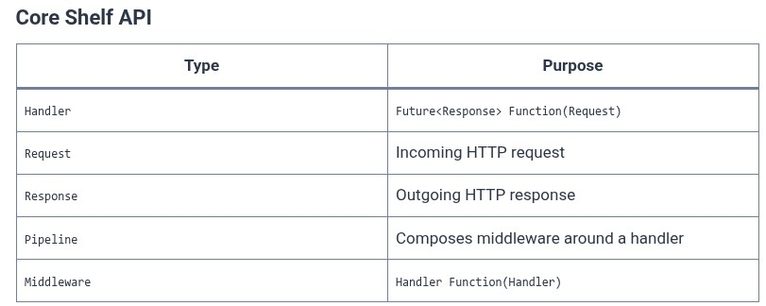
    package:shelf is the Dart team’s official HTTP server library. It is deliberately minimal. Where a framework like Express or Dart Frog provides routing, middleware, and project structure out of the box, Shelf provides a single abstraction—the Handler—and a Pipeline for composing middleware around it . Everything else is assembled from smaller packages: shelf_router for route…

    Read More Dart 74 🎯 Building Production Web Servers in Dart using package:shelfContinue

  • Dart 73 🎯 Writing Command-Line Interfaces (CLIs) with package:args
    Programming | Dart | Languages & Runtimes

    Dart 73 🎯 Writing Command-Line Interfaces (CLIs) with package:args

    ByKandZ October 18, 2026October 18, 2026

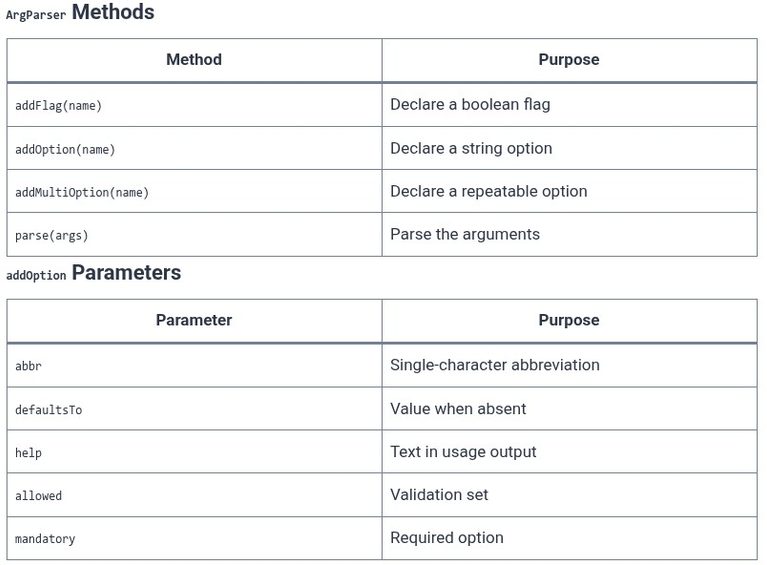
    A Dart command-line interface is a program that reads arguments from main(List<String> args), parses them into structured values, and routes execution to the correct logic. The package:args library provides two levels of abstraction for this: ArgParser for parsing flags and options in a single-command script, and CommandRunner for building multi-command CLIs with subcommands, automatic help…

    Read More Dart 73 🎯 Writing Command-Line Interfaces (CLIs) with package:argsContinue

  • Dart 72 🎯 Functional Programming in Dart: Monads, Either, and Option Types using fpdart
    Programming | Dart | Languages & Runtimes

    Dart 72 🎯 Functional Programming in Dart: Monads, Either, and Option Types using fpdart

    ByKandZ October 18, 2026October 18, 2026

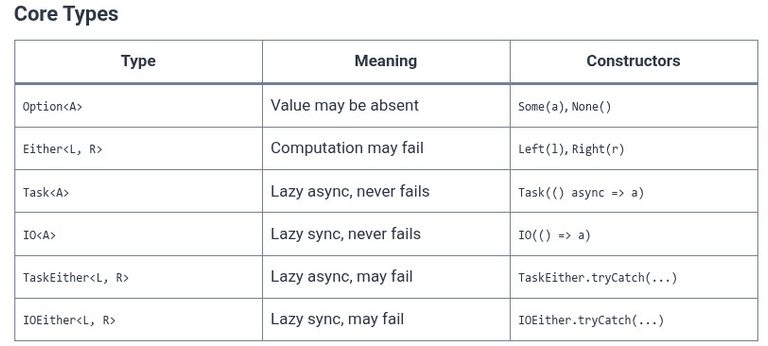
    Dart’s type system is null-safe, but null safety only catches the absence of a value when the compiler can prove it. It does not prevent a function from throwing an exception, nor does it make the failure path visible in the type signature. A method that returns User might throw a NetworkException or a FormatException,…

    Read More Dart 72 🎯 Functional Programming in Dart: Monads, Either, and Option Types using fpdartContinue

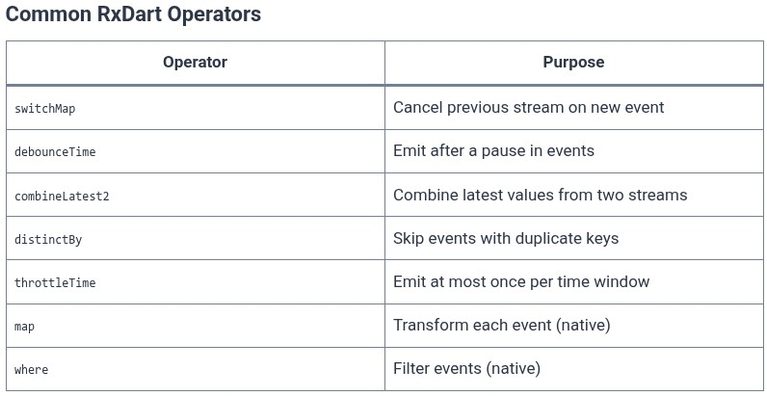
  • Dart 71 🎯 Reactive State Management with Streams, BehaviorSubject, and RxDart
    Programming | Dart | Languages & Runtimes

    Dart 71 🎯 Reactive State Management with Streams, BehaviorSubject, and RxDart

    ByKandZ October 18, 2026October 18, 2026

    Dart’s Stream is the language’s native abstraction for asynchronous sequences of data. A StreamController is the object that creates and manages a stream, allowing you to add events that listeners receive asynchronously. This is a complete and capable mechanism on its own. But it has a specific limitation that becomes apparent the moment you try…

    Read More Dart 71 🎯 Reactive State Management with Streams, BehaviorSubject, and RxDartContinue

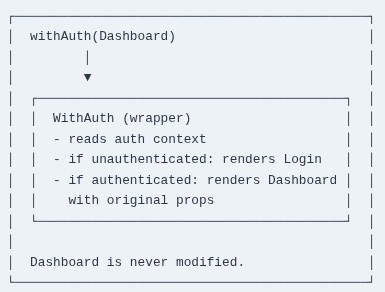
  • React 80 ⚛️ Higher-Order Components (HOC) Pattern
    Programming | Frontend (FED) | React

    React 80 ⚛️ Higher-Order Components (HOC) Pattern

    ByKandZ October 18, 2026October 18, 2026

    A Higher-Order Component is a function that takes a component and returns a new component. That is the entire definition. The function wraps the input component in a container, injects additional props or behavior, and returns the wrapper. The original component is not modified—it is composed inside the wrapper . This is the pattern that…

    Read More React 80 ⚛️ Higher-Order Components (HOC) PatternContinue

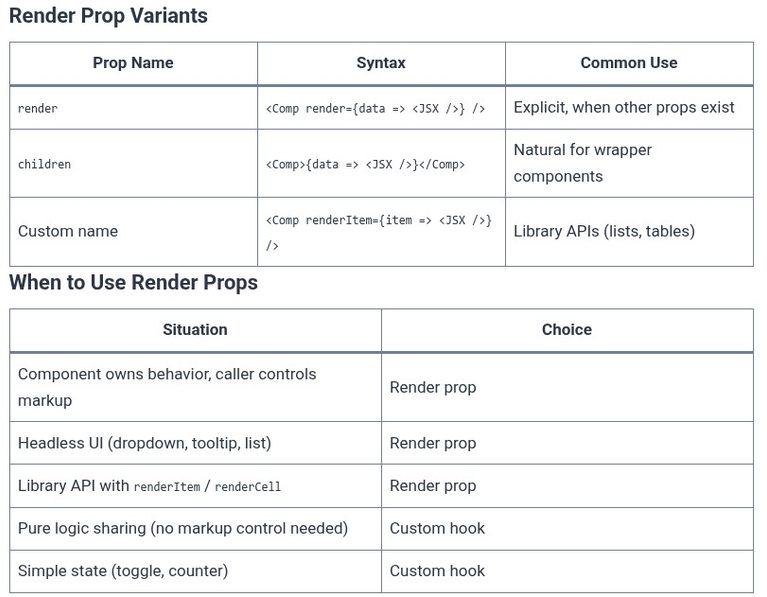
  • React 79 ⚛️ Render Props Pattern
    Programming | Frontend (FED) | React

    React 79 ⚛️ Render Props Pattern

    ByKandZ October 18, 2026October 18, 2026

    The render props pattern is a technique for sharing code between React components using a prop whose value is a function. A component with a render prop takes a function that returns a React element and calls it instead of implementing its own render logic . The component owns the state and behavior; the caller…

    Read More React 79 ⚛️ Render Props PatternContinue

Page navigation

Previous PagePrevious 1 … 67 68 69 70 71 … 261 Next PageNext
    Search