Skip to content

KandZ - Tuts

  • Operating Systems ▾
    • Linux ▾
      • Distros ▾
        • Fedora
        • Other Distros
        • Ubuntu
      • Gnome 48
      • KDE
      • LFCA - Linux Foundation Certified IT Associate
      • LFCS - Linux Foundation Certified Sysadmin
      • LFCE - Linux Foundation Certified Engineer (Sysadmin + Network Admin)
      • Linux CLI
      • Various
      • Bash Scripting
  • Paths ▾
    • Core Web Stack
    • React & Modern UI Stack
    • Linux Core
  • Programming ▾
    • Frontend (FED) ▾
      • React Ecosystem ▾
        • React
        • React Router
        • TanStack Router
        • TanStack Query (React Query)
        • Zustand
        • Redux Toolkit
      • Angular Ecosystem ▾
        • Angular
      • Vue Ecosystem ▾
        • Vue.js
      • Styling & UI Components ▾
        • Tailwind CSS
    • Languages & Runtimes ▾
      • CSS
      • Dart
      • HTML
      • JavaScript
      • Node.js
      • Rust
      • SQL
      • TypeScript
    • Tools & Build Systems ▾
      • Version Control ▾
        • GitHub
        • Git
        • GitLab
      • Package Managers ▾
        • npm
        • Bun
        • yarn
        • pnpm
      • DevOps & Containers ▾
        • Docker
  • Servers & Self-Hosting ▾
    • Internet ▾
      • Internet Backend - Coming Soon
      • Internet Beginner
      • Internet Frontend - Coming Soon
    • Networking & DNS ▾
      • REST API
  • Tools
  • Windows ▾
    • Windows 11
KandZ - Tuts
AngularBunCSSDartDockerGitGitHubGitLabHTMLJavaScriptNode.jsnpmpnpmReactReact RouterRedux ToolkitRustSQLTailwind CSSTanStack Query (React Query)TanStack RouterTypeScriptVue.jsyarnZustandBash ScriptingFedoraGnome 48KDELFCA - Linux Foundation Certified IT AssociateLFCE - Linux Foundation Certified Engineer (Sysadmin + Network Admin)LFCS - Linux Foundation Certified SysadminLinux CLIOther DistrosUbuntuVariousCore Web StackInternet Backend - Coming SoonInternet BeginnerInternet Frontend - Coming SoonLinux CoreReact & Modern UI StackREST APIToolsWindows 11
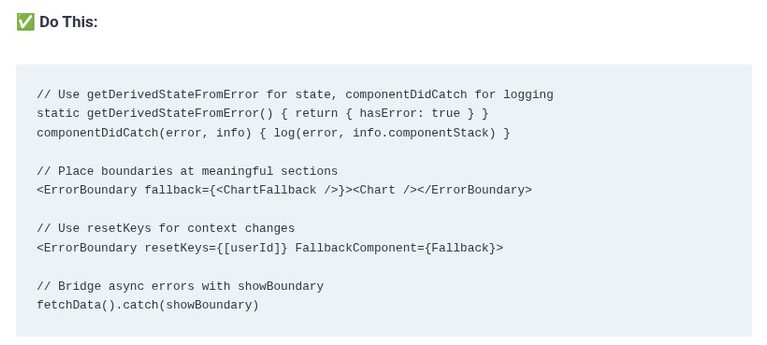
  • React 78 ⚛️ Catching Rendering Errors with Error Boundaries
    Programming | Frontend (FED) | React

    React 78 ⚛️ Catching Rendering Errors with Error Boundaries

    ByKandZ October 18, 2026October 18, 2026

    React’s rendering process is a synchronous, recursive operation. When a component throws during render, React cannot simply catch the error and continue—the component tree may be in an inconsistent state, with some components mounted and others not, some hooks already called and others not. In React 15 and earlier, this inconsistency would corrupt React’s internal…
    Read More React 78 ⚛️ Catching Rendering Errors with Error BoundariesContinue

  • React 77 ⚛️ Loading States with Suspense
    Programming | Frontend (FED) | React

    React 77 ⚛️ Loading States with Suspense

    ByKandZ October 18, 2026October 18, 2026

    A loading state is not a spinner. It is a contract between the application and the user: the application has accepted the request, is working on it, and will show the result as soon as it is ready. The traditional way to implement this contract is a boolean flag—const [isLoading, setIsLoading] = useState(true)—checked at the…

    Read More React 77 ⚛️ Loading States with SuspenseContinue

  • React 76 ⚛️ Code Splitting with React lazy
    Programming | Frontend (FED) | React

    React 76 ⚛️ Code Splitting with React lazy

    ByKandZ October 18, 2026October 18, 2026

    A React application’s JavaScript bundle grows with every feature, every third-party library, and every route. The bundle that was 200 KB at the MVP stage becomes 2 MB after a year of additions, and the user who only wants to view their profile is downloading the admin dashboard, the rich text editor, and the entire…

    Read More React 76 ⚛️ Code Splitting with React lazyContinue

  • SQL 100 🛢️ Backup, Restore, and Disaster Recovery Strategies
    Programming | Languages & Runtimes | SQL

    SQL 100 🛢️ Backup, Restore, and Disaster Recovery Strategies

    ByKandZ October 18, 2026October 18, 2026

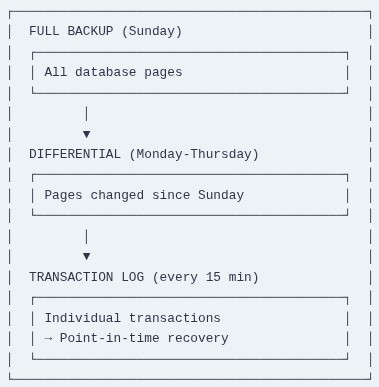
    A database backup is not a single artifact. It is a strategy composed of different backup types, each solving a different part of the recovery problem. A full backup captures the entire database at a point in time. A differential backup captures only the pages that changed since the last full backup. A transaction log…

    Read More SQL 100 🛢️ Backup, Restore, and Disaster Recovery StrategiesContinue

  • SQL 99 🛢️ Database Sharding and Read Replicas
    Programming | Languages & Runtimes | SQL

    SQL 99 🛢️ Database Sharding and Read Replicas

    ByKandZ October 18, 2026October 18, 2026

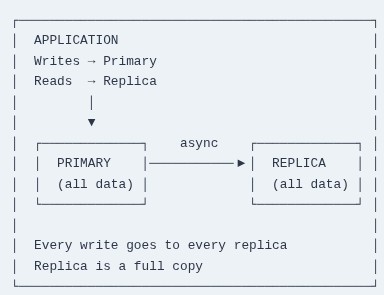
    Sharding and read replicas are the two primary strategies for scaling a database beyond a single server, and they solve completely different problems. Read replicas create copies of the entire database that serve read-only queries, reducing the load on the primary instance for read-heavy workloads . Sharding partitions the data itself across multiple independent database…

    Read More SQL 99 🛢️ Database Sharding and Read ReplicasContinue

  • SQL 98 🛢️ Upsert Patterns: MERGE, ON CONFLICT, and ON DUPLICATE KEY
    Programming | Languages & Runtimes | SQL

    SQL 98 🛢️ Upsert Patterns: MERGE, ON CONFLICT, and ON DUPLICATE KEY

    ByKandZ October 18, 2026October 18, 2026

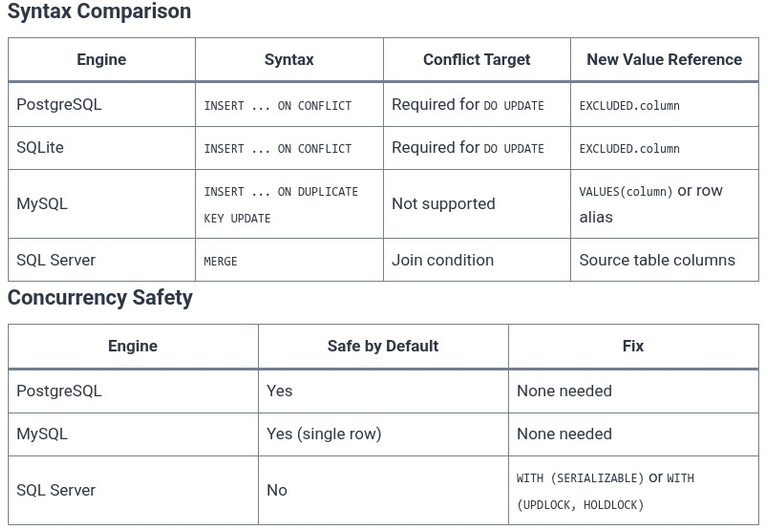
    An upsert is a single operation that inserts a row if it does not exist, or updates it if it does. The name is a contraction of “update” and “insert,” and the pattern exists because the alternative—a SELECT followed by an INSERT or UPDATE—has a race condition. Two concurrent transactions can both SELECT, both see…

    Read More SQL 98 🛢️ Upsert Patterns: MERGE, ON CONFLICT, and ON DUPLICATE KEYContinue

  • SQL 97 🛢️ Database Locks, Deadlocks, and Blocking Resolution
    Programming | Languages & Runtimes | SQL

    SQL 97 🛢️ Database Locks, Deadlocks, and Blocking Resolution

    ByKandZ October 18, 2026October 18, 2026

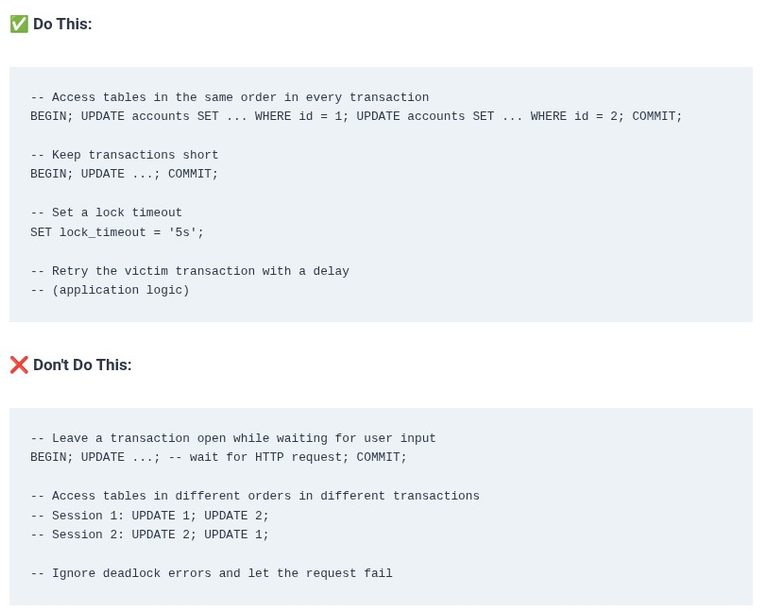
    Locks are the mechanism that makes concurrent transactions safe. When one transaction modifies a row, the database places a lock on it so that another transaction cannot read or write the same row until the first one finishes. This is not a bug or a performance problem—it is the foundation of the ACID model, the…

    Read More SQL 97 🛢️ Database Locks, Deadlocks, and Blocking ResolutionContinue

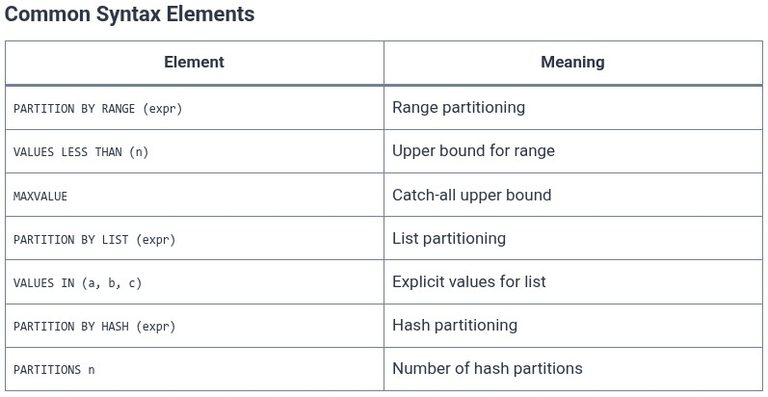
  • SQL 96 🛢️ Table Partitioning: Range, List, and Hash
    Programming | Languages & Runtimes | SQL

    SQL 96 🛢️ Table Partitioning: Range, List, and Hash

    ByKandZ October 18, 2026October 18, 2026

    Table partitioning is the practice of splitting one large logical table into smaller physical pieces called partitions, while keeping it accessible as a single table to the application. The motivation is not raw query speed—a well-indexed table can be fast without partitioning. The motivation is manageability at scale: a table with billions of rows becomes…

    Read More SQL 96 🛢️ Table Partitioning: Range, List, and HashContinue

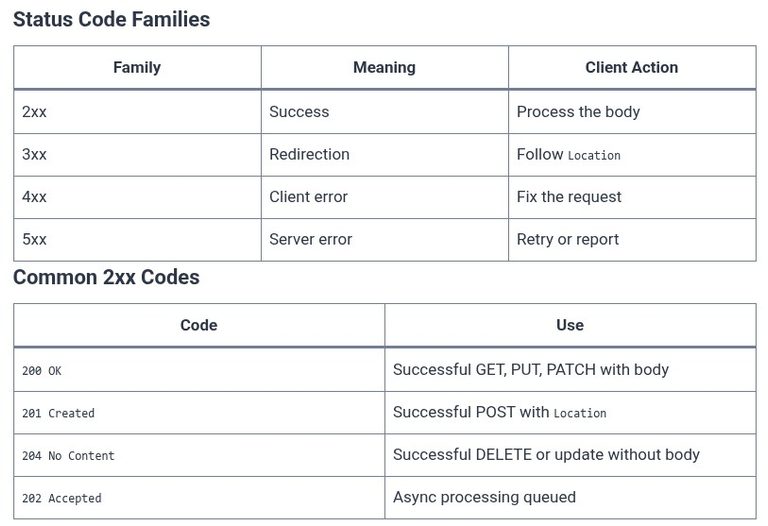
  • REST API 05 🌐 HTTP Status Codes (2xx, 3xx, 4xx, 5xx)
    Servers & Self-Hosting | Networking & DNS | REST API

    REST API 05 🌐 HTTP Status Codes (2xx, 3xx, 4xx, 5xx)

    ByKandZ October 18, 2026October 18, 2026

    HTTP status codes are the machine-readable verdict of every API call. A client reads the first digit to decide whether to parse the body, retry the request, or surface an error to the user. A monitoring system counts 5xx responses to page an on-call engineer and ignores 4xx responses because they indicate client mistakes, not…

    Read More REST API 05 🌐 HTTP Status Codes (2xx, 3xx, 4xx, 5xx)Continue

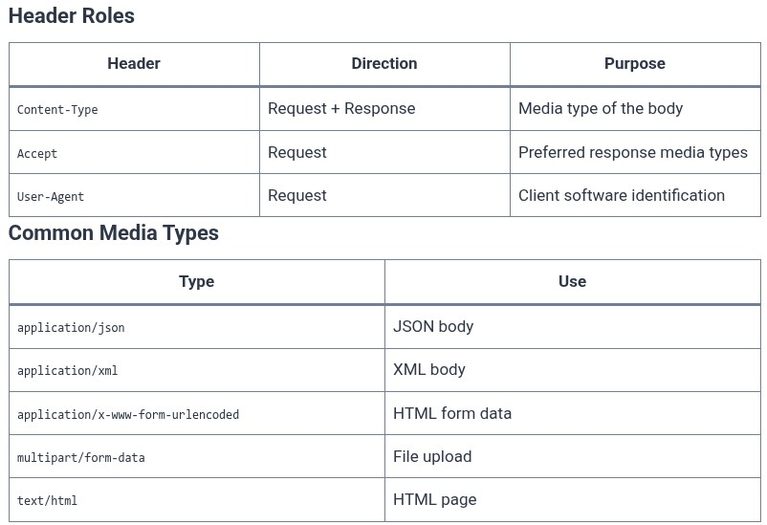
  • REST API 04 🌐 Request and Response Headers (Content-Type, Accept, User-Agent)
    Servers & Self-Hosting | Networking & DNS | REST API

    REST API 04 🌐 Request and Response Headers (Content-Type, Accept, User-Agent)

    ByKandZ October 18, 2026October 18, 2026

    HTTP headers are the metadata layer of a REST API. They carry information that is not part of the resource representation itself: what format the body is in, what formats the client can accept, who the client is, and how intermediaries should handle the message. For the three headers in this chapter, the distinction is…

    Read More REST API 04 🌐 Request and Response Headers (Content-Type, Accept, User-Agent)Continue

Page navigation

Previous PagePrevious 1 … 68 69 70 71 72 … 261 Next PageNext
    Search